
Beyond the grid: Why GE Vernova is betting on human connection to power the future
- Josephine Tan
Culture rarely fails because organisations lack ambition—it falters when employees feel disconnected from purpose, unheard in decision-making, or uncertain about their place in a rapidly changing workplace. As organisations grapple with AI adoption, global expansion, and evolving workforce expectations, the ability to build a culture that is both inclusive and performance-driven has become a defining leadership challenge.
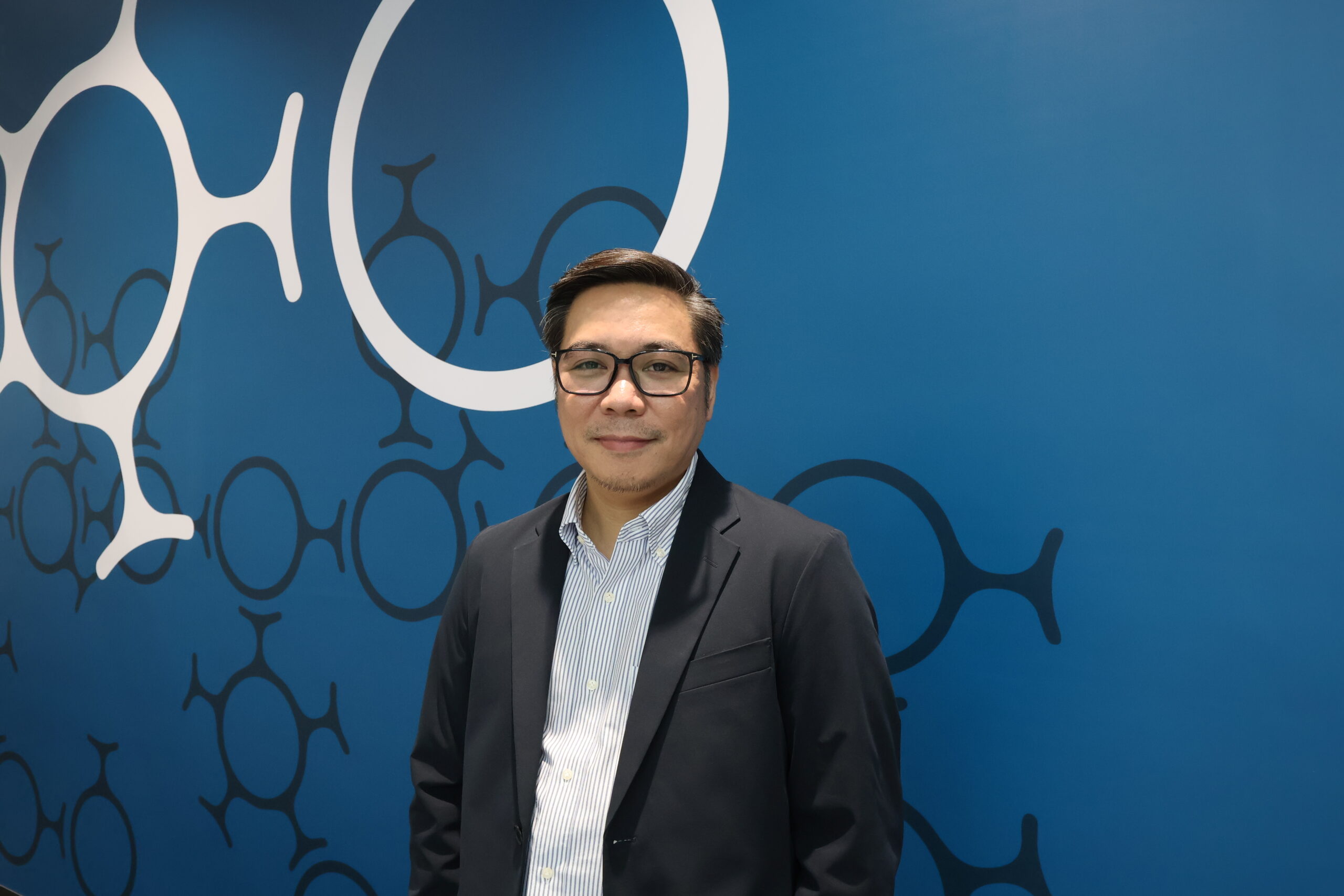
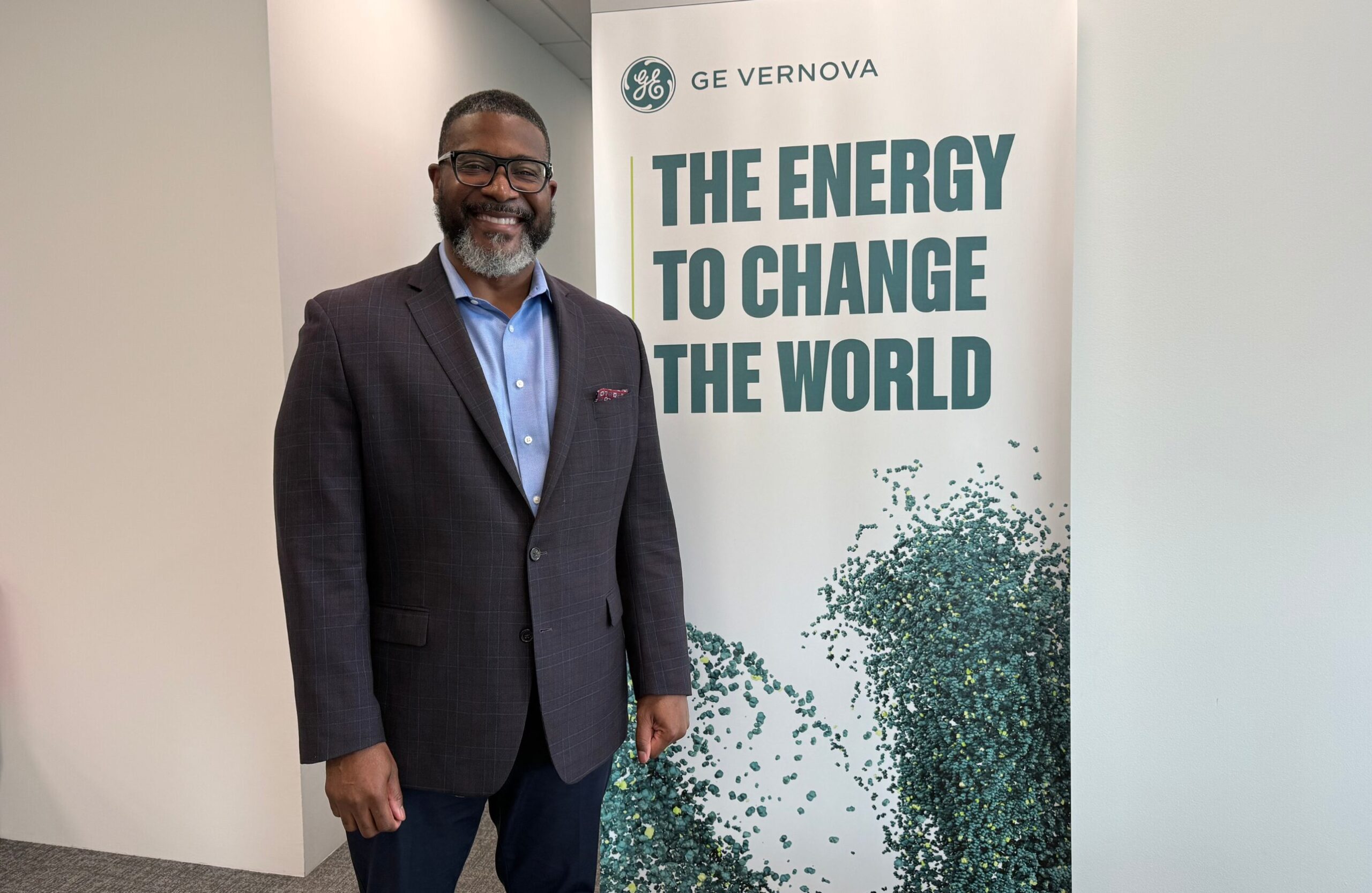
For Reginald Miller, Vice-President and Chief Culture and Inclusion Officer at GE Vernova, the starting point is clear: listening.
“I think every organisation has a responsibility to listen to its employees,” he tells HRM Asia. “Listening to their employees is such a crucial part of understanding how to resource them and support their needs.”
It is a principle that has remained constant throughout Miller’s career, which spans industries as diverse as quick-service restaurants, retail, and now energy. Having previously led culture and inclusion efforts at global giants like McDonald’s and Walmart, Miller brings a cross-sector perspective to what defines a high-performing culture—and what has endured, even as the world of work has been reshaped.
The universal foundations of culture
Despite differences in industry, workforce composition, and operating environments, Miller believes that the fundamentals of culture remain consistent.
“Everybody wants to feel seen, everybody wants to feel heard, and everybody wants to do work that’s important,” he explains. “That’s no different here…as we really look to be a leader in the energy transition.”
At GE Vernova, these principles are embedded within what the organisation calls the “GE Vernova Way”—a set of guiding behaviours that shape not only internal collaboration, but also how employees engage with customers and communities. For Miller, culture is not an abstract concept, but a lived experience that influences both attraction and retention.
“When I think about a culture, it really helps to formulate not only the reason why people stay at an organisation, but also how it then attracts people to the organisation as well,” he says.
This emphasis on purpose is particularly critical in an organisation positioned at the forefront of the global energy transition. Employees are not only contributing to business outcomes, but also to a broader mission—one that reinforces engagement and alignment across the organisation.
Inclusion as a strategic enabler
While diversity metrics and frameworks vary across regions, Miller is clear that inclusion is the more critical lever, particularly in a global organisation operating in more than 100 countries. “For us, we focus on inclusion,” he notes. “Because inclusion is really connected to our strategic pillar around culture—around one team.”
This “one team” mindset is about more than collaboration; it is about ensuring that employees across geographies, functions, and backgrounds feel psychologically safe, valued, and empowered to contribute. Yet achieving this balance is not without its challenges.
“There’s no two countries that measure it the same way,” Miller says. “It’s different in every single country, every single region.”
The task, therefore, is to remain globally consistent while being locally relevant—a tension that many multinational organisations grapple with. For GE Vernova, this means tailoring strategies to align with local laws and cultural nuances, while maintaining a shared commitment to fairness, opportunity, and employee wellbeing.
“Our work to really make sure that all of our employees feel welcome, comfortable, and psychologically safe continues regardless of which country we’re operating in,” he adds.
Lessons from the military: Structure meets voice
Miller’s approach to inclusive leadership has also been shaped by his early career in the US Army, where he served for eight years. While the military is often associated with hierarchy and discipline, he highlights a lesser-known but equally important dynamic: the value of diverse perspectives.
“Even though there is a very hierarchical structure in the military, we also know that good ideas can come from anywhere,” he says.
This philosophy aligns closely with GE Vernova’s focus on lean principles and continuous improvement. By actively seeking input from employees at all levels, organisations can unlock innovation and drive more effective problem-solving.
“When you’re really tearing apart a process and trying to pull it back together to make it more efficient and more productive, you listen to the voices of all employees,” Miller explains. “That’s very, very similar to the military.”
In practice, this means creating mechanisms for feedback that go beyond traditional surveys—whether through on-the-ground engagement, real-time problem-solving, or regular performance conversations.
AI, innovation, and the inclusion imperative
As AI becomes increasingly embedded in the workplace, organisations are under pressure to harness its potential while addressing concerns around bias, trust, and transparency.
For Miller, inclusion plays a critical role in ensuring that AI delivers on its promise. “AI is such an important component to our organisation’s future and the future of business that we have with our customers,” he says. “It’s a tool that we see as a real catalyst for what our future growth will be. We’re really investing in what that means for all of our employees.”
At GE Vernova, investments in AI are closely tied to innovation and capability-building. The organisation has rolled out training initiatives to improve AI literacy across its global workforce, equipping employees with the skills needed to navigate an increasingly digital environment.
However, Miller emphasises that the effectiveness of AI systems depends on the diversity of input they receive. “AI is a model that learns from the information that is input into it,” he explains. “I think the more users that are involved in the information that is put into AI will only make the tool even smarter.”
This underscores the importance of broad participation and early adoption to ensure that AI systems reflect a wide range of perspectives and experiences. By embedding inclusion into the design and deployment of technology, organisations can enhance both accuracy and trust.
Building resilience through psychological safety
Beyond technology, another defining theme of today’s workplace is resilience—particularly in the face of ongoing uncertainty and complexity. At GE Vernova, this has translated into a heightened focus on psychological safety.
“This year will be a real focus on psychological safety for us,” Miller shares. “To really lean into investing in our employees and ensure that they come in to work, and even outside of work, have the right kind of mindset and working environment that will really contribute to their ability to get home safe every single day, every single night.”
The rationale is clear: a workforce that feels safe, supported, and valued is better equipped to navigate change, collaborate effectively, and deliver results. This is especially important in an organisation with a highly diverse employee base, spanning manufacturing, services, corporate functions, and advanced research.
“With all of that complexity, we need to make sure that we develop people around their leadership capabilities…but also make sure that they can show up and be the best versions of themselves,” he says.
The road ahead: Evolving leadership for a new workforce
Looking back over the past decade, Miller acknowledges the profound changes that have reshaped the workplace—from digital transformation to the rise of AI. Yet, he believes that the most significant shift lies in the evolving expectations of the workforce itself.
“There’s a real focus on just how the workforce is evolving and how this new generation is coming in with different expectations of corporations and employers,” he observes.
For leaders, this presents both a challenge and an opportunity: reassessing traditional approaches and ensuring they remain relevant in a rapidly changing landscape.
“There’s an opportunity…to really reevaluate our leadership styles,” Miller says. “Are we really doing things that are beneficial and important to this generation of employees?”
Culture in action
During a recent visit to Singapore, Miller witnessed firsthand how culture and innovation intersect on the ground. Touring the GE Vernova Singapore Services (GEVSS) service centre, he observed employees solving real-world challenges—not as an abstract exercise, but as part of their daily work.
“I saw examples of real-world innovation happening in a moment, not because of a buzzword, but because it solves a solution for a problem,” he reflects.
It is this alignment between purpose, people, and practice that ultimately defines a strong organisational culture. And while tools, technologies, and strategies will continue to evolve, Miller’s core message remains unchanged: organisations that truly listen to their employees will be best positioned to thrive.
In a world of constant change, that may be the most enduring competitive advantage of all.