

“You cannot sue an AI”: Why adoption comes down to people, not platforms

Deploying AI is the part most organisations have mastered. Jun Tay, who works for a major bank in Asia, explains what happens after, and why the human shift, not the technology, decides whether adoption sticks.
Indonesia targets October completion for new Manpower Law
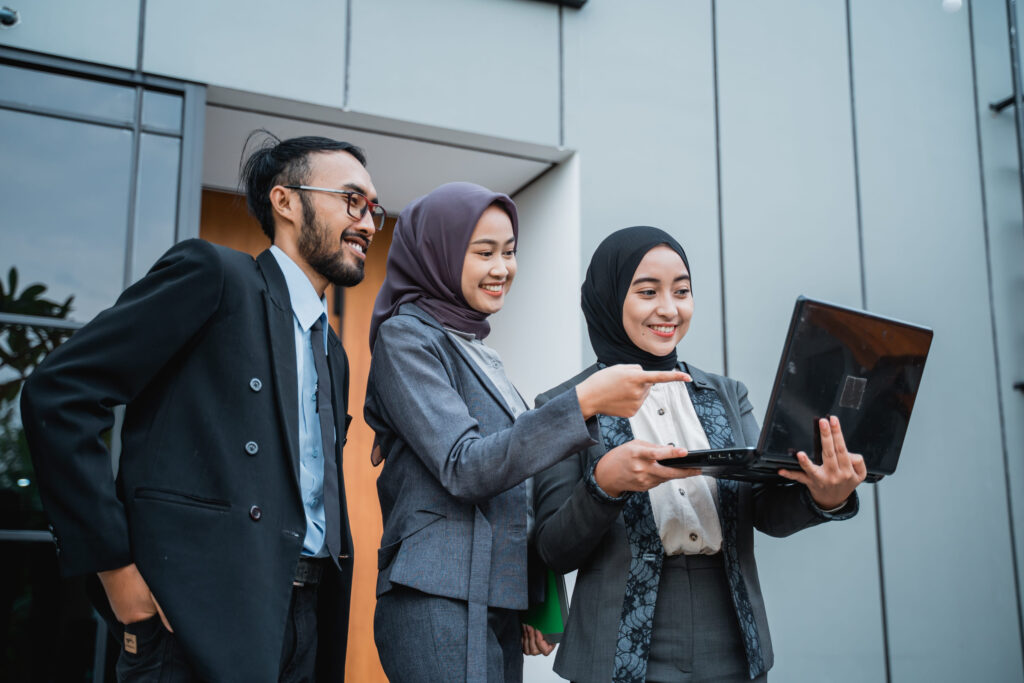
Deputy Minister of Manpower Afriansyah Noor says the bill will address outsourcing, wage structure and the scope of labour protection, and that unions will have space to contribute before the deadline.
Remote working is reshaping presenteeism, study finds

New research argues that remote work and always-on digital tools have outgrown the standard definition of presenteeism and proposes eight distinct forms of it.
Tourism offers jobs, not careers. Mandai Wildlife Group is trying to prove otherwise

Mandai Wildlife Group has put competency-based pay and structured pathways behind frontline roles. Two long-serving employees describe what that has looked like in practice.
Employer groups warn RM3,100 minimum wage could put MSMEs under pressure

The call for a RM3,100 minimum wage has met resistance from employer groups, who warn the move could prove unsustainable for many MSMEs.
Singapore ties childcare leave to the number of children

Childcare Leave and Extended Childcare Leave will be merged into a single scheme scaled to the number of children, with employers reimbursed for the full duration of all child-related leave up to the existing cap.
Should people grow the organisation, or should the organisation grow its people?
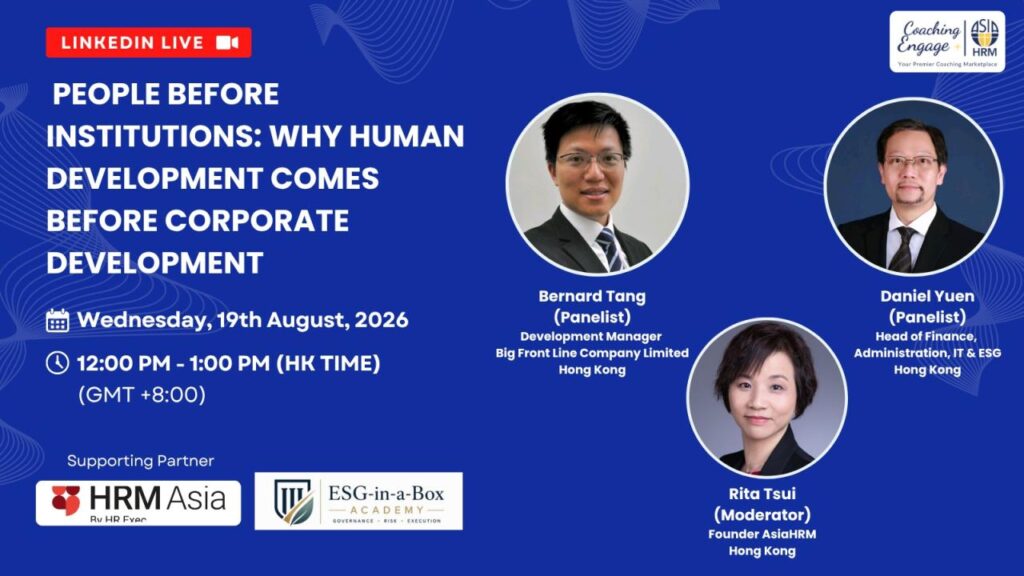
Two Hong Kong practitioners took opposite starting positions on the same budget line – and both conceded that where an organisation sits in its cycle shapes the answer.
Poor sleep could cut nearly nine months from working life after 50

As employers look to retain older employees for longer, new research suggests sleep health could play a role, with severe sleep disturbances linked to a shorter working life after 50.
What workplace support for marrow donation looks like in practice

Nearly half of Singaporeans say workplace support shapes whether they would register as a marrow donor. What that support looks like in practice is still being worked out.
Malaysia reviews RM1,700 minimum wage as cost-of-living mount

Malaysia’s review of the RM1,700 minimum wage comes amid calls for wage policy to better reflect the rising cost of living and ensure employees can maintain a decent standard of living.
Ten years of poor health, and the workplace in the middle of it
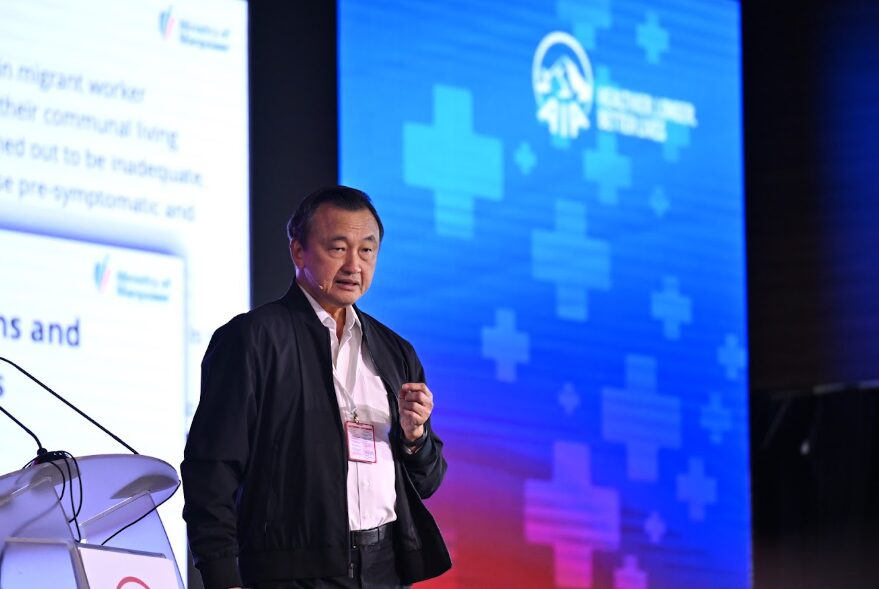
Between a health span ending at 70 and a life expectancy of 80 sits a decade in poor health. At the inaugural AIA Healthcare Summit, the argument was that employers hold more of that decade than they think, and that fragmentation – not funding – is the constraint.
The technology is the easy part. Transformation stalls on the people.

Singapore’s S$400 million Enterprise Workforce Transformation Package is a bet that the workforce, not the tooling, is the missing piece of the AI.
Taiwan’s AI boom is showing up in the overtime data
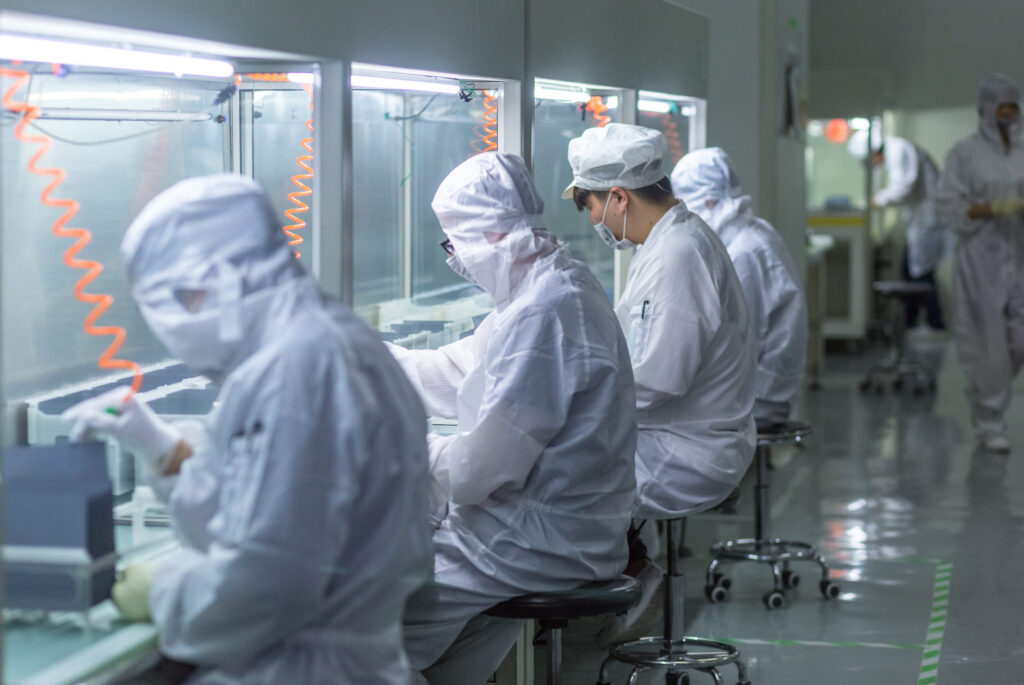
Electronic components employees averaged 28.7 hours of overtime in June – more than three times the national average – as AI-driven orders reshape where Taiwan’s manufacturing hours are going.
Oracle puts 13 AI agents to work across the talent lifecycle

Thirteen agents built into Oracle Fusion Cloud HCM span role design, learning content, manager coaching, and workforce planning.
The dull work built your senior people. Now AI does it first.

If AI absorbs the routine tasks juniors once cut their teeth on, where does the next generation of judgement come from? Dr Gary Ang, co-author of a new Asia Tech Alliance paper, on the pipeline problem HR is not yet planning for.
When disruption is the operating environment, ‘bouncing back’ isn’t the whole job
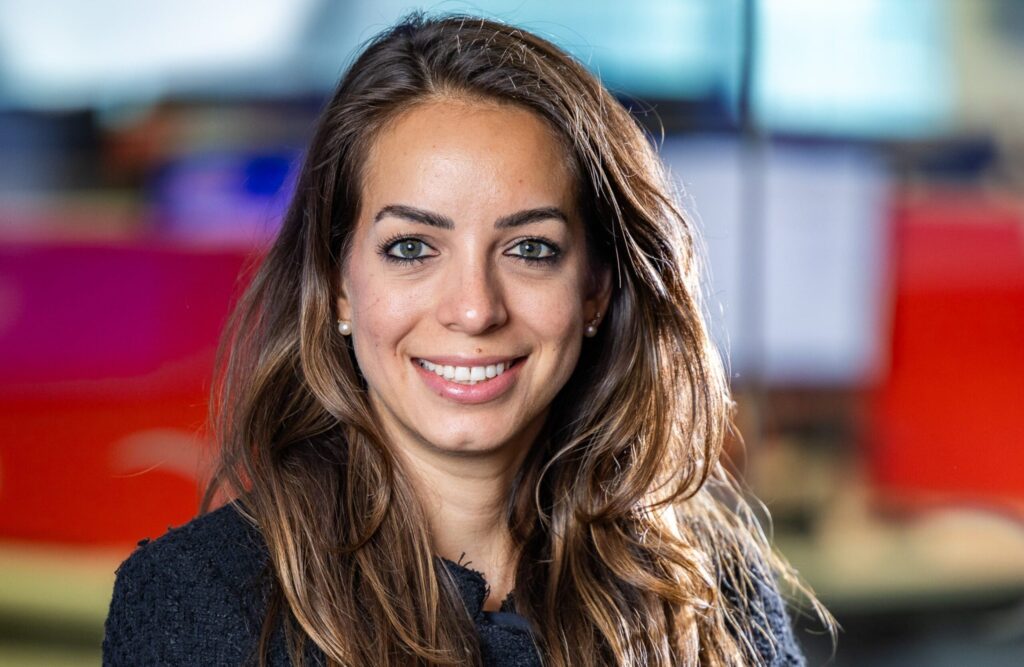
Organisations have long treated resilience as the ability to recover from a discrete shock. Dr Athenais Sivaloganthan of International SOS argues that the definition no longer fits the conditions employees are actually working under, and that the psychological side of the equation has been the slowest to catch up.
AI didn’t invent hiring fraud. It made it harder to see.

Candidates are using AI to prepare more effectively, and recruiters are struggling to tell preparation from inflation. At an HRM Asia webinar with Veremark, panellists argued the question has moved from whether a CV matches a role to whether the experience behind it is real.
First the layoffs, then the rehiring: AI’s expensive round trip

From Ford’s assembly line to Klarna’s call centres, organisations that bet on AI over experience are quietly buying it back, often for more than they saved.
Employees in Hong Kong are among the world’s heaviest users of AI. Most have never been trained to use it.

Weekly AI use in Hong Kong runs at more than double the global average, but nearly 60% of employees have never received any AI training, an HKUST study of 3,722 professionals finds.
AI less likely to replace jobs in developing economies, but gains aren’t guaranteed – World Bank

The World Bank’s latest report finds that generative AI threatens far fewer jobs in developing economies than in wealthy ones, but warns that the productivity upside will go uncaptured without investment in skills and infrastructure.
Malaysia urged to review wage structure beyond minimum pay to support income growth

The National Wages Consultative Council says employees earning just above the minimum wage are being left out of pay rises and that fresh graduates are starting on less than they did two decades ago.
Finishing the training isn’t the same as changing how you work

As Samsung reskills its workforce from the top down, Samsung Indonesia’s Christine Josephine shares why leadership makes change believable and what it takes to make it stick.
The tool users and the outcome-getters: Hiring’s new diving line

A wage premium for AI skills is already measurable across the region. Kazunori Fukuda, who runs Sansan in Singapore and Thailand, argues most hiring processes still cannot tell who has earned it.
CHRO Thailand 2026 to spotlight AI, talent and workforce transformation
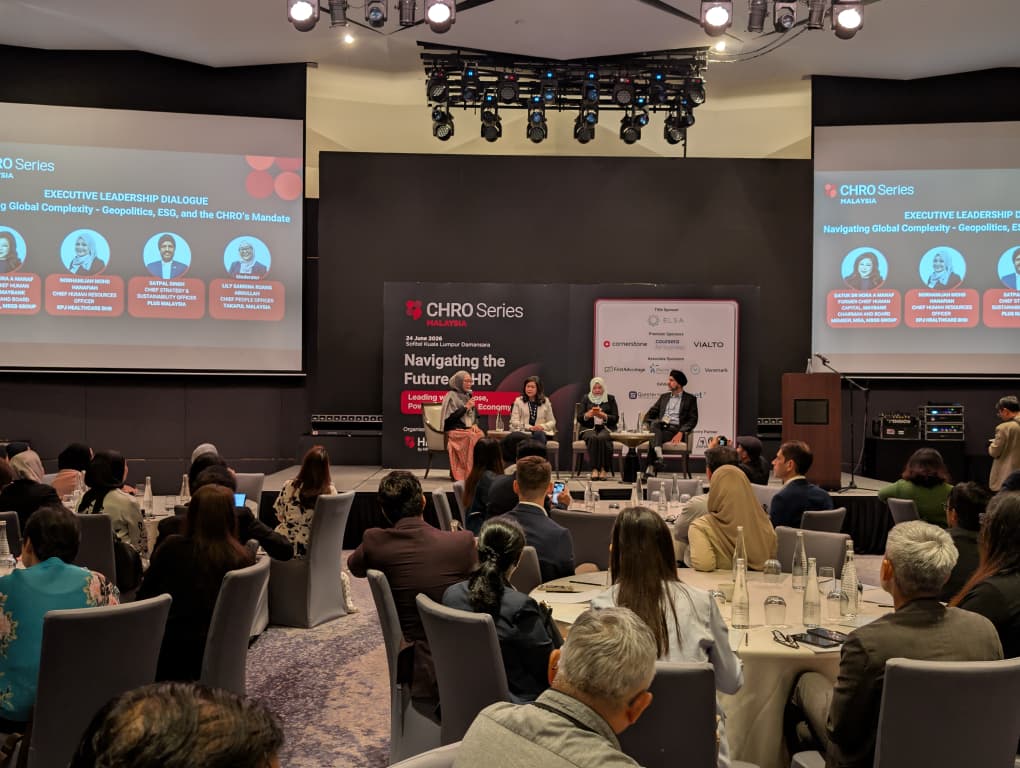
From AI governance to talent retention and workforce productivity, CHRO Thailand 2026 will spotlight the pressing people challenges shaping the future of work in Thailand.
Retrenchments climb to five-year high as Singapore’s job market keeps growing

Singapore’s labour market remained resilient in Q2 2026 with employment continuing to grow despite a rise in retrenchments driven by business restructuring in key sectors.
The hardest question in AI transformation: “So what?”

Two years into HubSpot’s AI-first journey, adoption and fluency turned out to be the easy part. The real work, says its talent chief, lies in a “missing middle” most organisations never see.
What screening still catches when the paperwork is perfect
An upcoming HRM Asia webinar, held in partnership with Veremark, examines how AI-generated applications are moving through screening processes across Asia-Pacific and which verification layers still hold.
Nearly eight in 10 employees in APAC use AI weekly. Only 7% of firms have scaled it

A new Asia Tech Alliance paper argues the region’s adoption lead will not translate into business results until organisations redesign the work itself and bring smaller employers along.
Fathers who take solo parental leave stay more involved at home, study finds

A five-year UK study of dual-career couples found that fathers who took sole responsibility for a baby during parental leave were still sharing childcare – and still shaping their working lives around it – years later.
Beyond execution: Why the AI revolution is scaling the human premium

As AI absorbs more of the execution in knowledge work, StarHub’s Tan Toi Chia argues the real transformation is happening in how work is designed – and in the human capabilities that never show up on a balance sheet.