AI capabilities have emerged as Singapore’s hardest-to-fill skills, even as overall talent shortages show signs of easing, according to the latest findings from ManpowerGroup.
The 2026 Global Talent Shortage Survey found that 71% of employers in Singapore are struggling to hire skilled talent. While still elevated, this marks a decline from 83% in 2025 and sits slightly below the global average of 72%. It is also the lowest level of reported talent scarcity in Singapore since 2021.
However, the moderation in overall shortages masks a sharp shift in the types of skills in demand. For the first time, AI model and application development (26%) and AI literacy (25%) top the list of hardest-to-find capabilities in Singapore. This represents a significant change from 2025, when IT and data roles ranked first. In 2026, IT and data skills fell to seventh place at 17%, reflecting a rapid realignment of hiring priorities towards AI-driven expertise.
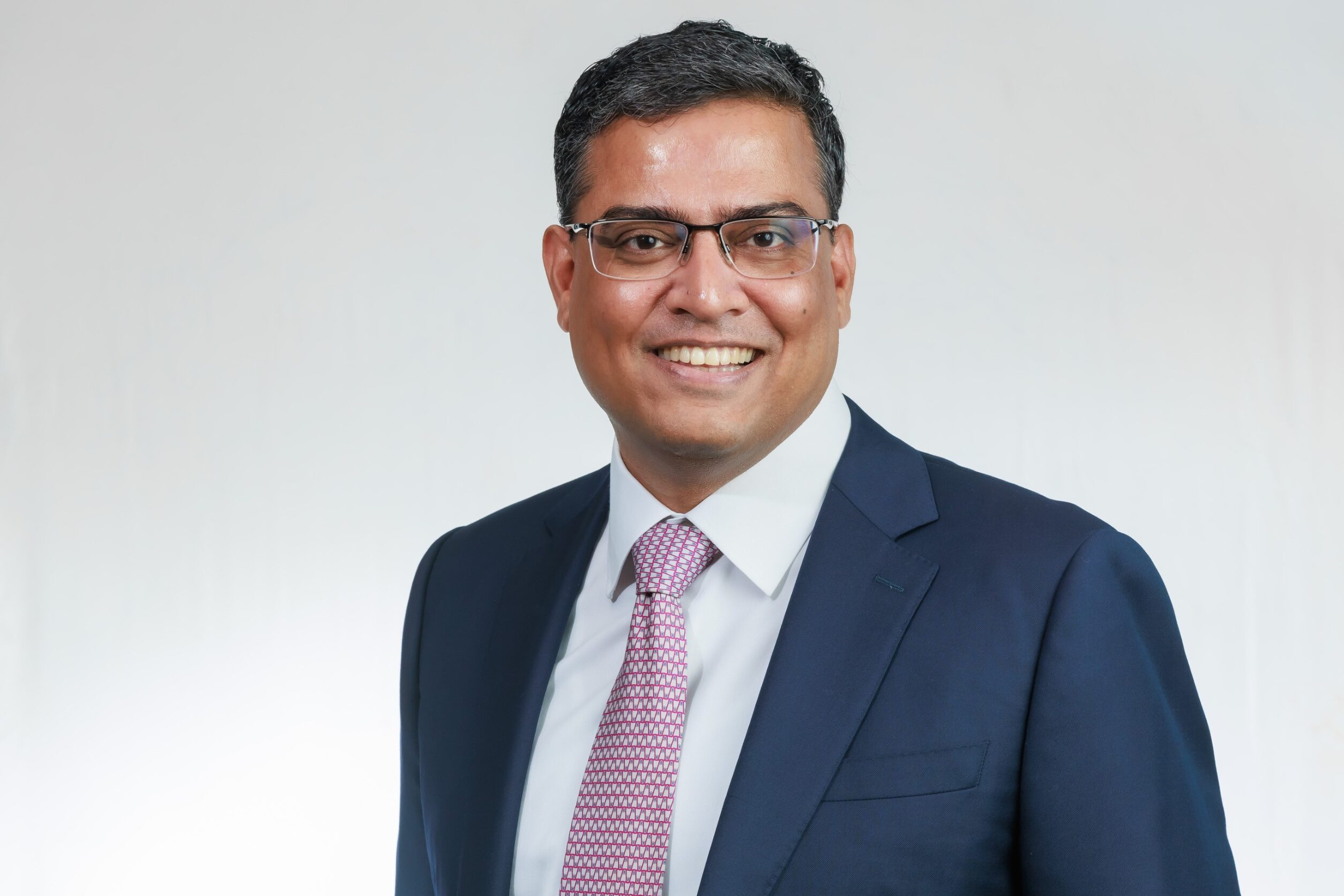
Linda Teo, Country Manager of ManpowerGroup Singapore, said the findings underscore how quickly workforce demands are evolving as AI becomes embedded across industries and job functions.
“The rise of AI capabilities to the top of Singapore’s hardest-to-find skills list underscores how rapidly workforce demands are evolving,” she said. “As AI becomes embedded across a wider range of roles, developing AI literacy will be essential so people can use these tools with confidence and sound judgement.”
Teo added that employers are increasingly investing in upskilling initiatives and adopting more flexible talent models that allow them to hire for potential rather than experience alone. At the same time, she emphasised that human capabilities remain indispensable.
“Core human strengths such as professionalism, adaptability, communication, and teamwork remain critical complements to technology,” she said, noting that AI is reshaping work rather than replacing it. “Organisations that pair technological advancement with opportunities for people to grow will be best positioned to thrive amid talent scarcity.”
READ MORE: Singapore Budget 2026: Scaling AI through national coordination and workforce integration
Beyond AI, engineering roles (24%) rank third among the hardest-to-fill skills, followed by operations and logistics (19%), and sales and marketing (19%). Together, these findings suggest that demand is intensifying for both advanced technical capabilities and commercially critical functions.
Notably, the surge in AI demand has not displaced the need for strong interpersonal and behavioural competencies. Professional and work ethic (34%), along with adaptability and willingness to learn (34%), are the most sought-after attributes among employers. Communication, collaboration, and teamwork follow closely at 33%, reinforcing the continued value of human-centric skills in an increasingly digital workplace.
Talent scarcity also remains broad-based across industries. The utilities and natural resources sector reports the highest shortage levels at 79%, followed by construction and real estate (77%), and the public sector, health and social services (77%). Professional, scientific and technical services (76%), finance and insurance (72%), and hospitality (71%) also report significant hiring challenges, highlighting operational and service-delivery constraints across the economy.
In response, 94% of employers in Singapore are deploying a combination of workforce strategies to manage structural talent gaps. Upskilling and reskilling initiatives (26%) are the most common approach, reflecting efforts to build critical capabilities internally. Employers are also offering greater location flexibility (22%) and schedule flexibility (21%) to attract and retain talent.