
Disruption has become the default setting for organisations today. Leadership turnover is accelerating, strategy cycles are shrinking, and workforce expectations are shifting faster than ever before. Against this backdrop, succession planning can no longer remain merely an annual HR ritual. It has emerged as a board-level priority, central to safeguarding business continuity and long-term performance.
That was the central theme of the latest Asia HR Leaders Live session, From Disruption to Continuity – Rethinking Success for a Changing World, organised by AsiaHRM and supported by HRM Asia. In conversation with Rita Tsui, Founder of AsiaHRM, Sneha Chopra, Vice-President, Group Talent and People Development, CapitaLand, unpacked why succession planning must evolve, and what leading organisations are doing differently.
Succession moves from talent planning to enterprise risk
For years, succession planning was treated primarily as a talent development exercise. Today, it is firmly embedded in conversations about enterprise risk and business continuity.
Sneha pointed to rising leadership churn, particularly at the CEO and senior executive levels, as a key driver. At the same time, organisations are recalibrating strategies more frequently in response to technological disruption, geopolitical volatility, and market shifts.
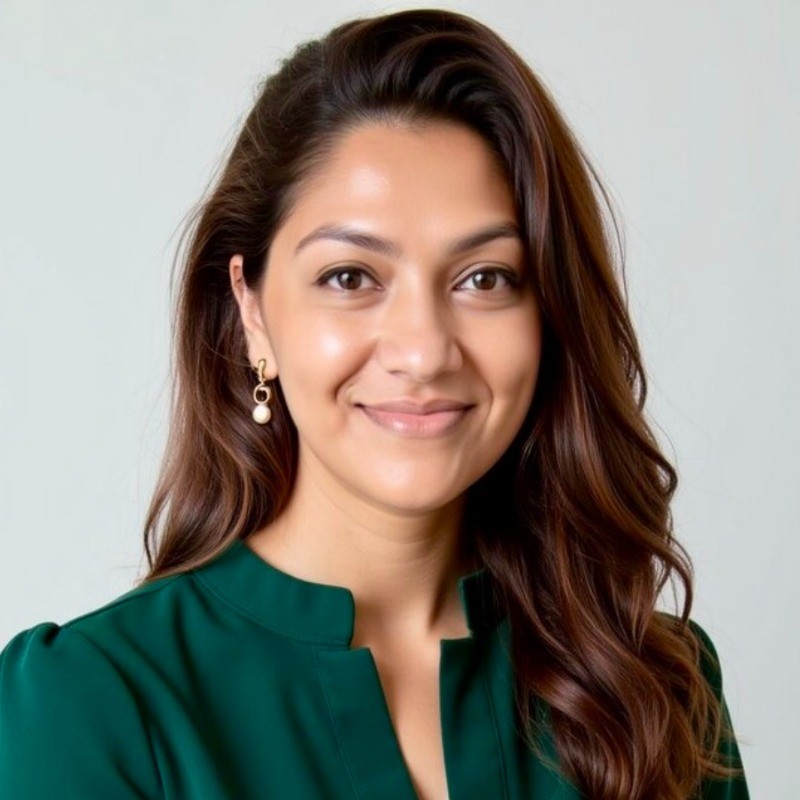
“The strategy cycles are getting shorter, but leadership development cycles are still long,” she said. “We’re developing leaders for strategies that may quickly become outdated.”
Compounding this challenge is a generational shift in the workforce. Younger professionals are more mobile, more impatient about progression, and eager for accelerated growth. The convergence of leadership turnover, rapid strategy evolution, and shifting workforce expectations has elevated succession planning to the board agenda.
“Succession is no longer just about talent planning,” Sneha emphasised. “It is about business continuity.”
Despite the urgency, many organisations continue to rely on legacy succession frameworks—annual reviews, static “ready now” and “ready in three to five years” lists, and heavy weighting on past performance and tenure.
These models were designed for stability.
“In the past, we relied heavily on performance on the current role to predict future success,” Sneha said. “But succession is often reduced to a list of names reviewed once a year. That creates a false sense of security.”
When strategy shifts—whether through market expansion, digital transformation, or a pivot in business model—the carefully curated list may no longer align with future requirements. The issue is rarely a lack of talent. Rather, it is a mismatch between yesterday’s definition of leadership and tomorrow’s needs.
“The plan doesn’t hold when the strategy changes,” she noted. “Succession today must be aligned with where we are going, not where we were.”
From track record to trajectory
If past performance is no longer a sufficient predictor, what should organisations prioritise?
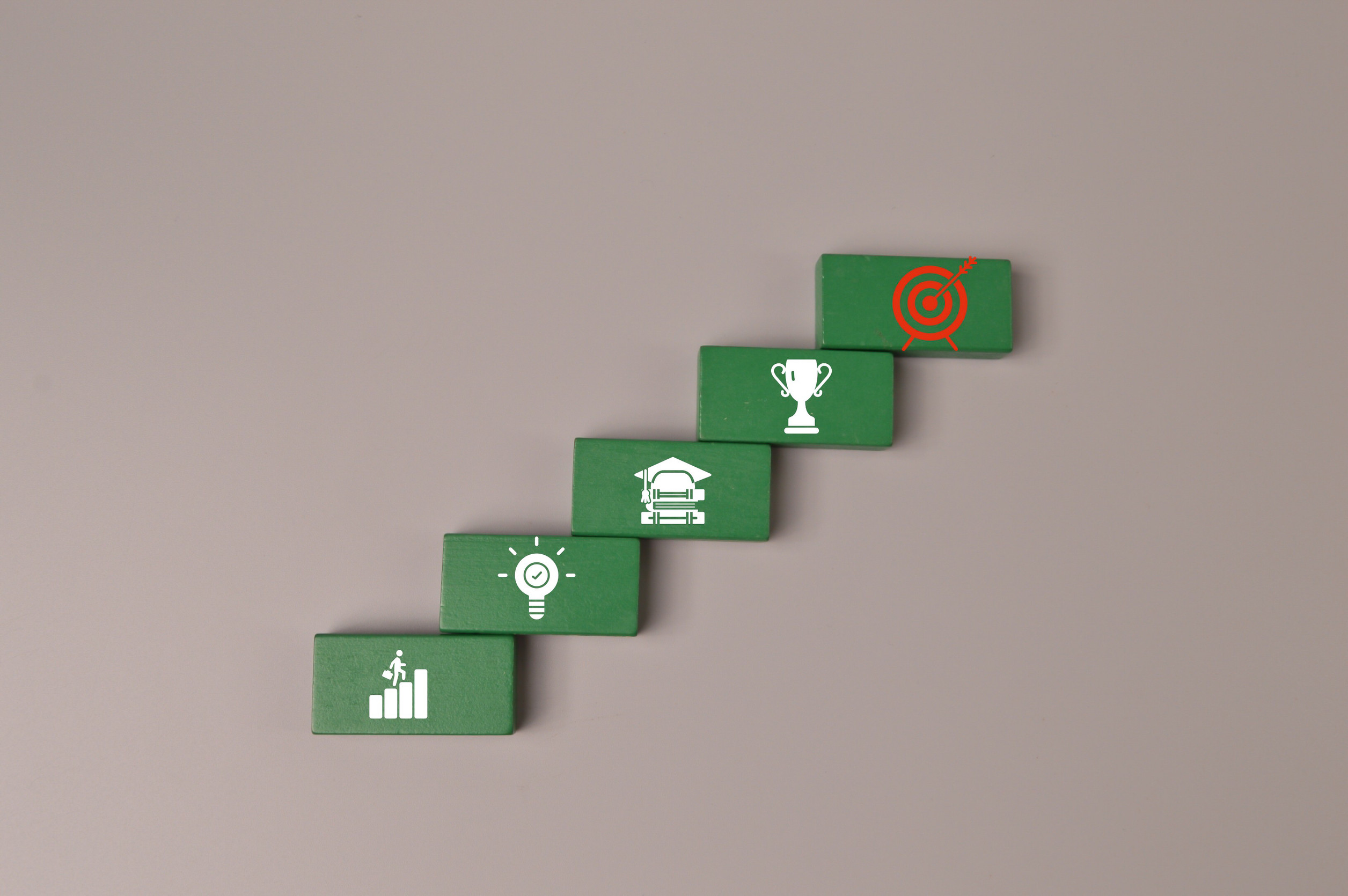
Sneha advocates shifting from track record to trajectory—from evaluating what individuals have achieved to assessing how they are likely to adapt. At its core, she believes future-ready leadership potential hinges on two qualities: agility and ambition.
“Potential should focus on direction, not just past achievements,” she said. “It comes down to ambition and agility.”
Agility spans several dimensions: mental agility (learning quickly and reframing problems), people agility (navigating cultural and contextual differences), and change agility (adapting as strategy evolves). Ambition reflects the genuine desire to take on broader responsibilities and grow.
As roles evolve, particularly under the influence of AI and automation, learning velocity becomes more critical than accumulated expertise. “It’s not just about what people know,” Sneha explained. “It’s about how quickly they can adapt.” Some organisations are therefore reframing potential assessments as agility assessments, recognising that change is now constant rather than episodic.
Rethinking developing: The 70-20-10 reality
Succession planning cannot succeed without deliberate development. Yet Sneha observed that organisations often over-invest in formal training while under-leveraging on-the-job learning. “70% of development happens on the job,” she reminded the audience, referencing the 70-20-10 model.
Stretch assignments, cross-functional projects, international exposure, and real-time problem-solving experiences build the agility required for future roles. However, cross-training and rotations often face resistance from business leaders reluctant to release high-performing talent.
Sneha urged HR professionals to step confidently into their role as people experts and frame the conversation in business terms. “You understand your business. I understand people. Let’s work together to get the best out of them,” she said. Without these stretch opportunities, succession pipelines risk becoming theoretical rather than practical.
From role-based to capability-based succession
Leading organisations are making three critical shifts.
First, they are moving from role-based to capability-based succession. Instead of asking who will replace a current incumbent, they are asking what capabilities the role will require in five years’ time. If automaton transforms a function, the successor profile must reflect future oversight, judgment, and strategic capabilities—not just today’s technical expertise.
Second, succession planning is evolving from an annual exercise into a living system. Rather than discussing succession once a year, organisations are revisiting it continuously as strategy shifts, new markets open, or growth areas emerge.
“We don’t talk about succession once a year,” Sneha said. “It’s an ongoing conversation.”
Third—and most challenging—is embedding accountability within the business.
“Succession cannot sit only with HR,” she stressed. Leaders must be responsible for building bench strength, and in some organisations, this accountability is embedded in performance expectations. A leader who fails to develop successors may see that reflected in their own evaluation.
READ MORE: Klook’s Gen Z strategy: Agility is the new loyalty
“If you don’t have bench strength, you’re putting business continuity at risk,” she said.
Generational shifts are also reshaping leadership expectations. According to Sneha, Gen Z employees are less impressed by hierarchy and more focused on authenticity, competence, and transparency. “They expect leaders to be authentic, but backed by competence,” she said. “Authority must be earned, not assumed.”
They also demand clarity around the “why” behind decisions—from performance ratings to restructuring moves. While certain workplace trends, such as remote work preferences, may vary by context, expectations of fairness and transparency appear more enduring. Over time, this will push organisations away from command-and-control leadership towards trust-based authority—an evolution that may ultimately benefit all generations.
Demonstrating ROI in succession planning
A perennial question for HR is how to demonstrate the return on investment of succession planning. Sneha acknowledged that effective succession often goes unnoticed until it fails. When a senior leader exists and no viable successor exists, organisations face prolonged hiring cycles, business disruption, and elevated risk.
“When succession doesn’t work, it reveals itself in a very quiet way,” she observed.
Boards are increasingly recognising the cost of such gaps. Metrics such as successor-to-role ratios, bench depth, pipeline diversity, and over-reliance on a single high-potential individual can serve as indicators of succession robustness. Ultimately, the value of succession planning lies in resilience.
In a world defined by churn and unpredictability, organisations that treat succession planning as a dynamic, capability-driven, and leader-owned process will be better positioned to convert disruption into continuity—and uncertainty into sustained performance.
Disruption may define today’s operating climate, but the bigger challenge for HR leaders is ensuring talent sustainability in an AI-accelerated world. Roles are changing faster than organisations can hire, and the focus is shifting from keeping pace with technology to building a workforce where human capability and machine intelligence evolve together.
In a 45-minute LinkedIn Live session next Wednesday, March 4, at 12pm, Lance Foo, Group Talent Acquisition Lead at NCS Group, will explore how leaders can futureproof talent strategy in an increasingly automated landscape. The discussion will cover making AI fluency a foundational skill, identifying what to automate, augment, or preserve as distinctly human, and strengthening human connection, coaching, and leadership presence.