
Why the social contract now rests on the shoulders of the organisation
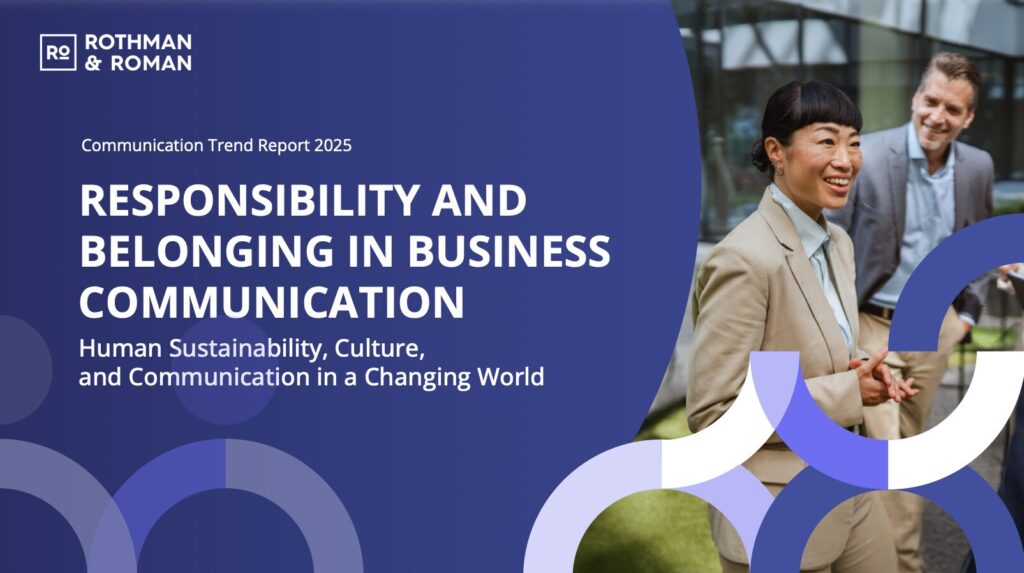
Rothman & Roman’s Communication Trend Report 2025 underscores the rising importance of human sustainability in building organisational trust.
We’ve adapted to hybrid work. Has our infrastructure?

TeamViewer’s Mark Banfield explains that hybrid work thrives when organisations invest in resilient, intelligent infrastructure, empowering employees and safeguarding productivity across distributed teams.
Unlocking the balance sheet: How data-driven payroll is redefining workforce intelligence in Asia-Pacific

Jessica Zhang, Senior Vice-President for Asia-Pacific at ADP, believes payroll now shapes governance, risk, and workforce strategy.
When a crisis decides your WFH policy

When crisis strikes, workplace models shift fast, prompting organisations to rethink whether rigid office mandates can withstand future disruptions.
AI is raising the bar. HR and supply chain must raise the workforce

The World Economic Forum’s new Lighthouse cohort shows what “Talent at scale” looks like—and why manufacturers cannot afford to treat skills as a side project.
How CHROs can approach AI agents like a CEO
HR can help their organisations see the deployment of AI agents as an ongoing people strategy that will define how humans and AI work together for years to come.
The invisible interview: How AI is reshaping employer brand

AI has inserted itself into the earliest stages of the job search, building narratives about employers that most CHROs have never considered.
Excellence without exhaustion: Why sustainable leadership requires the courage to “Speak Human”

For Dr Damini Chawla, burnout is not just exhaustion but a “soul cavity” forming when professional success drifts from personal alignment.
The CEO of your own wellbeing: Empowering employees through accountability and resilience
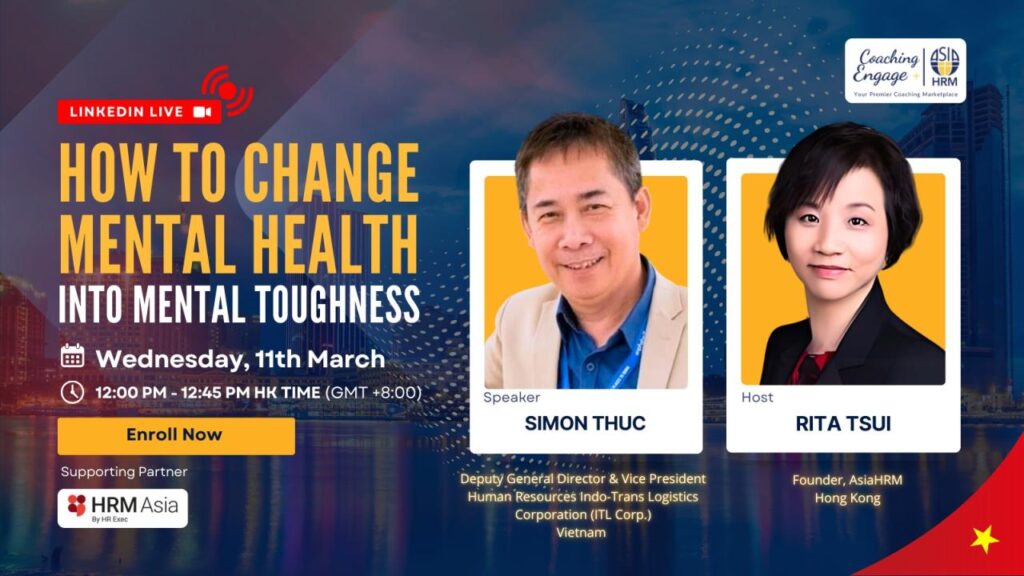
Rising uncertainty demands a new HR approach, says ITL’s Simon Thuc, who advocates building mental toughness across the workforce.
AI fluency and human judgment: The twin pillars of sustainable talent strategy
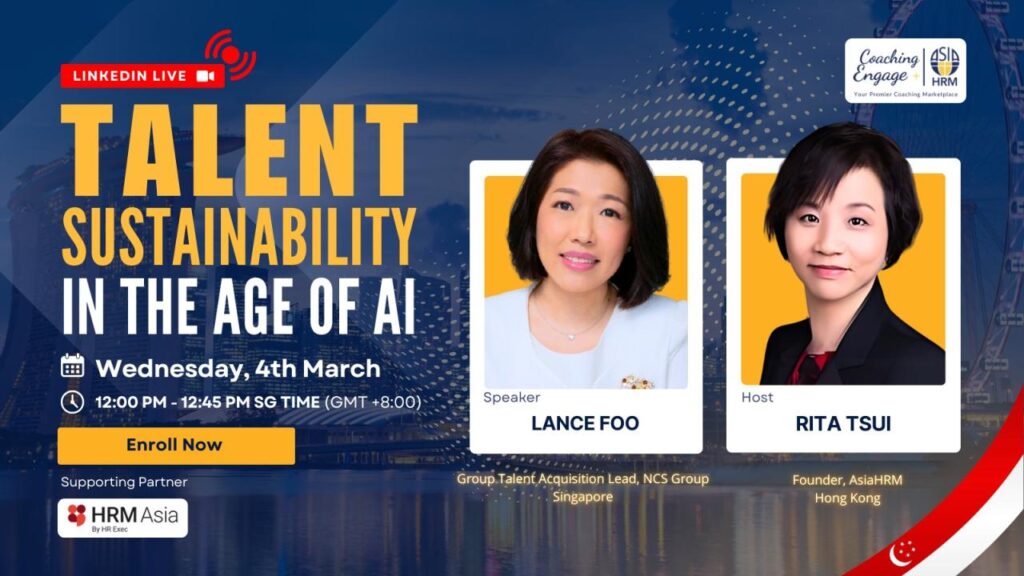
NCS’ Lance Foo highlights that AI would not replace humans, but organisations must combine technology with human judgment to build sustainable talent strategies.
The reciprocity of progress: Why giving to women is the strategic anchor of 2026
For International Women’s Day 2026, leaders are embracing a simple truth: when organisations invest in women, the returns extend far beyond equality.
The women in data redefining career paths in tech

This International Women’s Day, Confluent’s Becky Straker shares how women in technology are forging careers defined not by linear paths but by resilience.
Taking a collaborative approach to growth: Thinking of opportunities as opening windows, not breaking ceilings
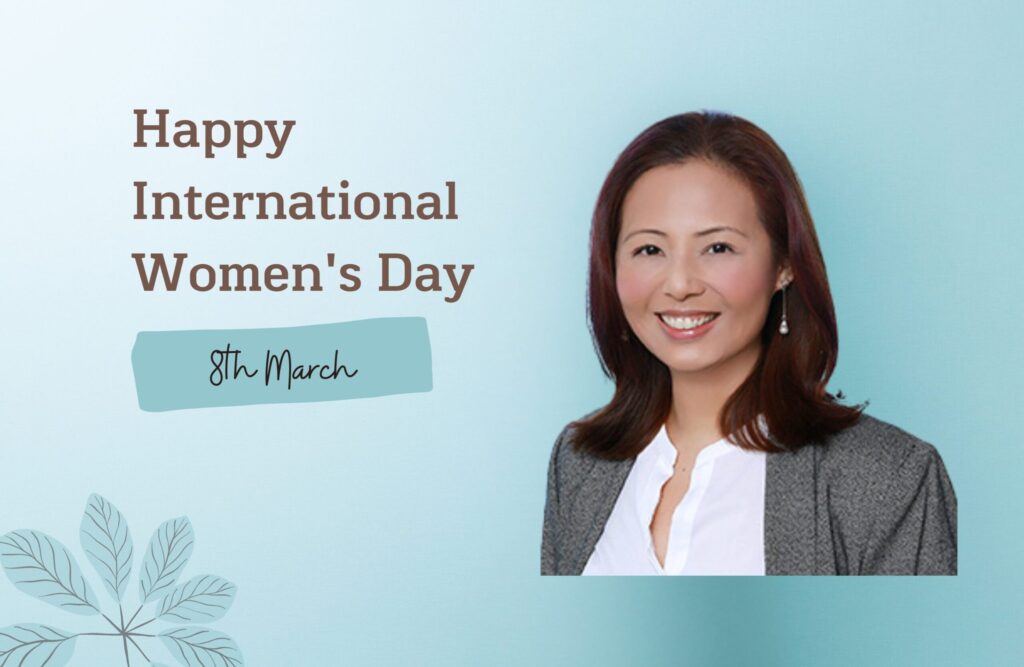
This International Women’s Day, Cindy Tan of GMO urges women to harness mentorship, networks, and visibility to open doors and lead boldly.
Building from the ground up: A leadership journey in #GiveToGain
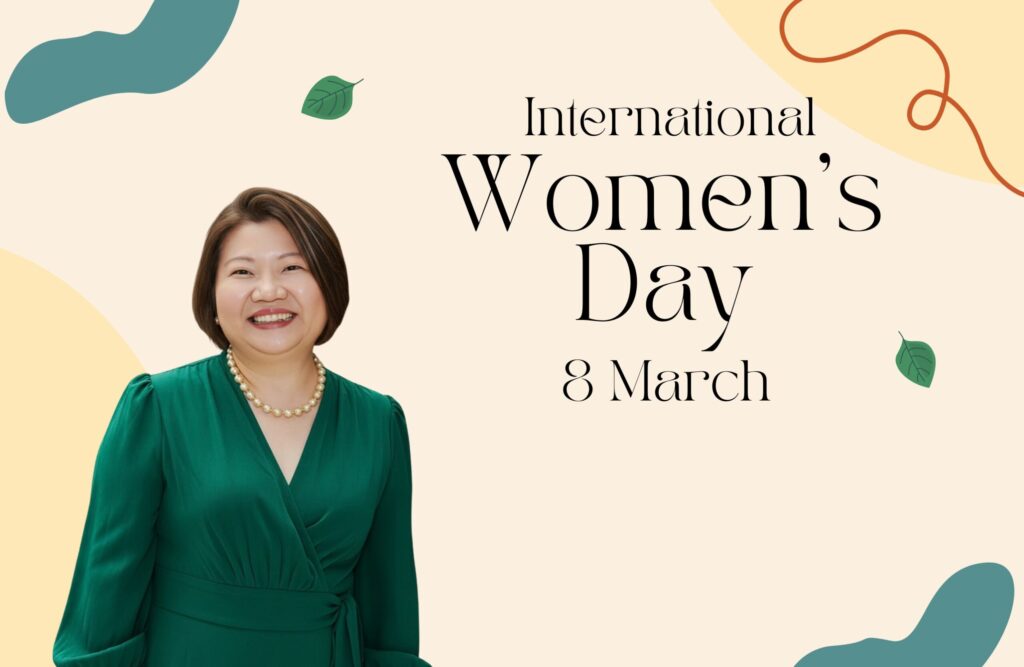
In conjunction with International Women’s Day, ERA Singapore’s Doris Ong shares how EmpowHER aims to support and elevate women leaders.
Championing women to lead and influence
This International Women’s Day, AlixPartners’ Reshmi Khurana explores why progress for women must move beyond representation towards real influence in decision-making.
When intention turns into impact

This International Women’s Day, Schneider Electric’s Monica Chia highlights how mentorship, sponsorship, and allyship are transforming women’s leadership journeys.
Equity is the engine of innovation in the AI age

As International Women’s Day prompts reflection on progress and privilege, Xero Asia’s Koren Wines examines whether AI can help advance gender equity.
Rooted in support: Growing with our people through life’s milestones

In the spirit of International Women’s Day 2026’s “Give to Gain” theme, Quek Li Ling of Cathay United Bank highlights why supporting life stages strengthens organisations.
Inclusion as infrastructure: Rebuilding the AI talent pipeline

This International Women’s Day, Cloudera’s Julia Tan warns that without intentional inclusion, AI’s rise could deepen gender gaps instead of closing them.
Are skills defining success in Singapore’s 2026 workforce?

As Singapore’s labour market remains resilient, ACCA’s Clive Webb argues that skills—not job titles—are fast becoming the true currency of career success.
From co-pilots to superagents: HR’s 2026 shift

As 2026 unfolds, Josh Bersin explores where AI in HR will go this year and how the high-performing CHRO can stay one step ahead.
AI’s impact is bigger than we think

Drawing on five decades in business, IWG’s Mark Dixon argues AI is not eliminating work but accelerating a new era of opportunity.
Hiring for tomorrow: Why ‘learning velocity’ now outranks experience

Succession planning now sits at the board table, critical for preparing agile leaders capable of navigating continuous organisational change.
In the “messy middle”, HR must redefine value beyond tenure
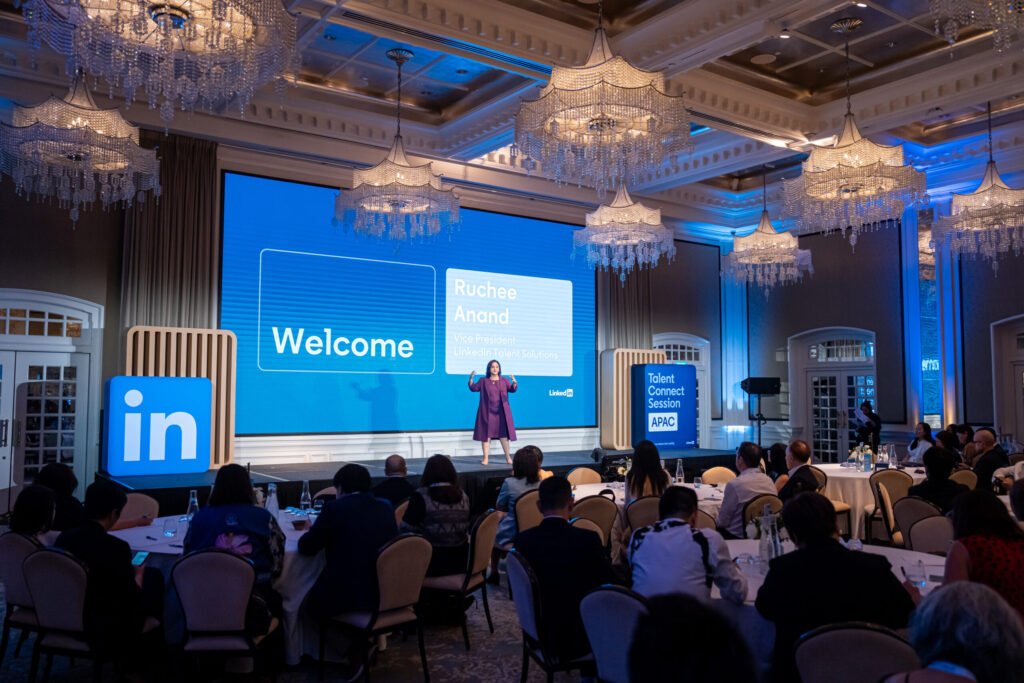
In an AI-driven labour market, LinkedIn’s Ruchee Anand challenges HR leaders to rethink experience, hiring, and what truly defines value.
Klook’s Gen Z strategy: Agility is the new loyalty
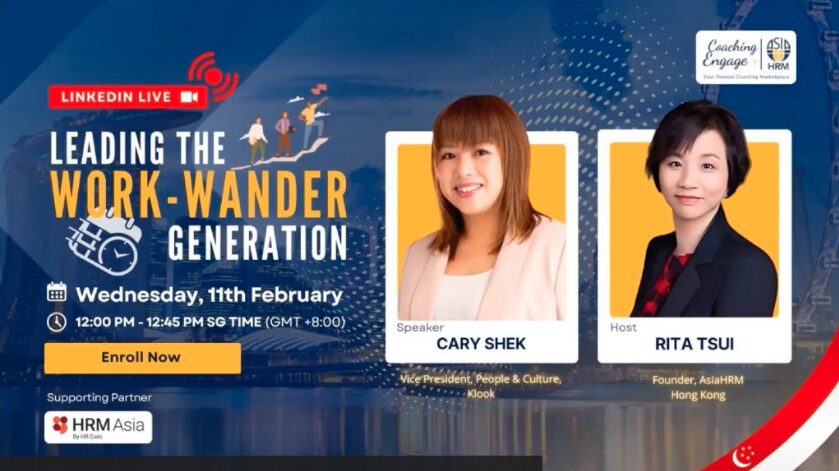
As Gen Z reshapes workplace expectations, Klook is redesigning flexibility, growth and trust to turn disruption into business agility.
UPS CHRO shares the most important predictors of AI success

UPS CHRO Darrell Ford says the multi-year HR transformation at the organisation emphasised a focus on continuous learning and improvement, particularly in the age of AI.
From engagement to mindfulness: Why the real productivity crisis is invisible

Organisations chasing productivity often overlook a deeper crisis: disengaged minds, not inefficient systems, are undermining sustainable performance.
Why workforce training still falls short in Malaysia and what we are actually learning

Training often slips down the corporate agenda, yet without deliberate follow-through and alignment, even well-funded programmes fail to deliver.
The superworker organisation: Why HR must redesign work, not just adopt AI

LinkedIn Talent Connect Asia-Pacific 2026 challenged HR leaders to turn AI ambition into enterprise-wide transformation and measurable impact.
Beyond the ‘downstream’: Reframing communication as the core infrastructure of workforce resilience

As geopolitical tensions simmer and AI integration accelerates, the corporate world is facing a quiet crisis: workforce fatigue. For years, HR strategy has relied heavily on wellness initiatives to address the cracks in a high-pressure work environment. However, as we move into 2026, a more profound shift is required. The focus is moving from temporary […]