
Overqualification can strain family life, or free it up

Being overqualified leaves some employees anxious and drained at home, and gives others more time for family. What sets them apart is which of the two they value more.
Why redesigning a job takes more than the equipment that prompted it
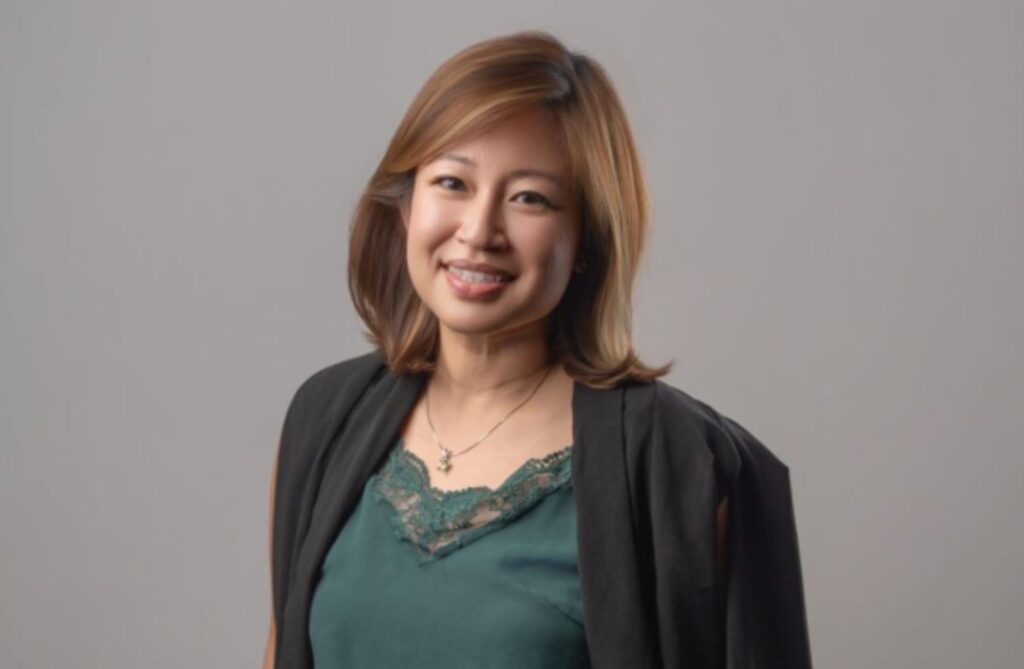
With Singapore’s workforce no longer growing and a larger foreign workforce off the table, facilities management is reshaping its frontline roles. ICFM’s Lynn Lim on multi-skilled teams, an ageing workforce, and why a robot on its own changes nothing.
Full training attendance, clean audit, and still exposed
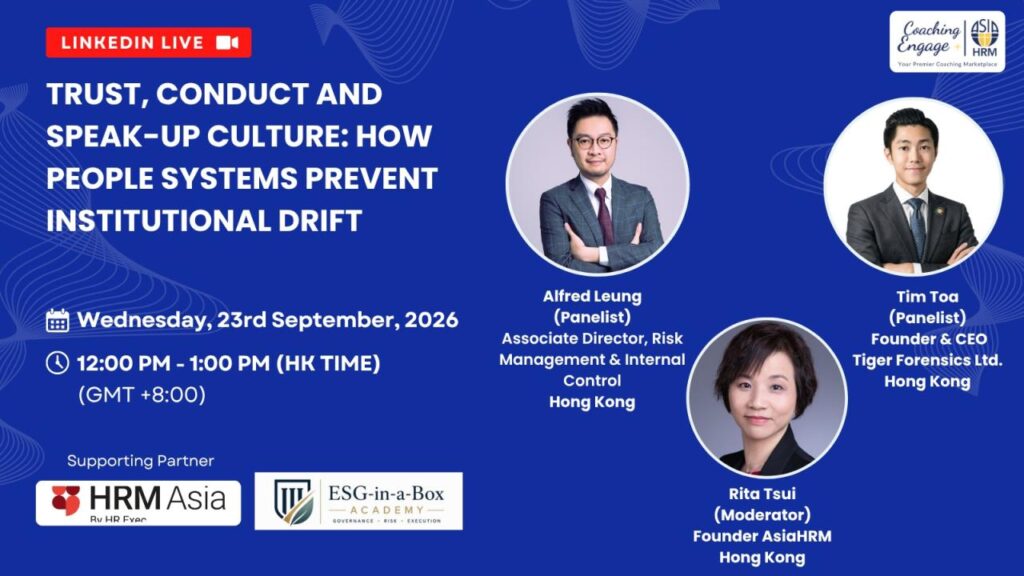
Most organisations have the policies. Speakers at AsiaHRM’s latest LinkedIn Live session discussed what happens when nobody checks that those policies are followed, and when people who raise concerns go unheard.
Your untouchable leaders are costing more than you think

Whether the leader is intimidating or micromanaging, it is time to get them to look in the mirror.
Capability is harder to recognise when it arrives in an unfamiliar shape
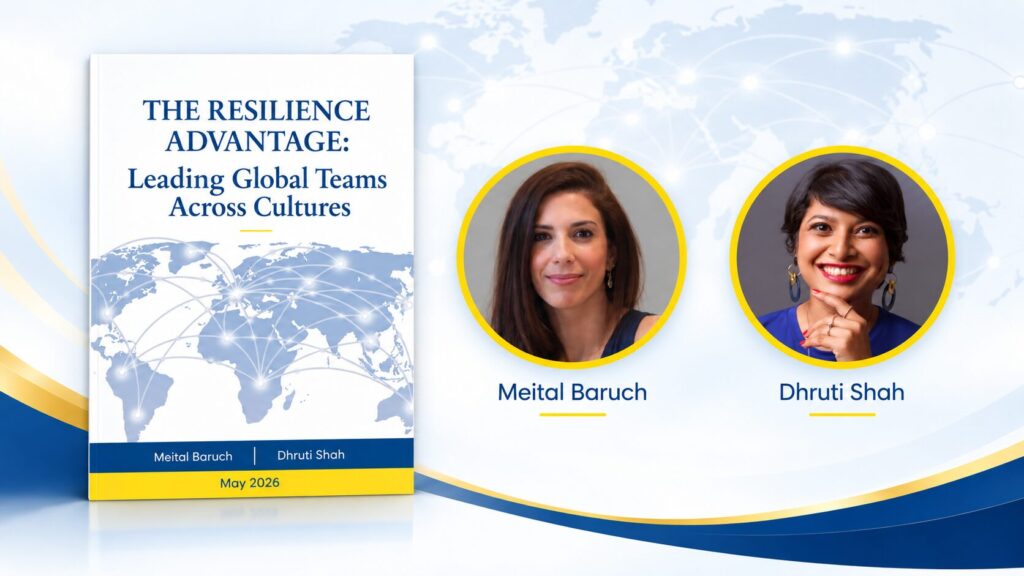
New research on resilience across cultures finds that organisations tend to recognise the version of it they already know how to read – with consequences that run through performance reviews, succession and the problems that never get escalated.
The design was the easy part: UOB’s Dean Tong on making workforce change stick
UOB’s Head of Group Human Resources on productivity that lasts, reskilling that turns into real mobility, and how judgement gets built once routine work is automated.
Your frontline workers see problems before you do
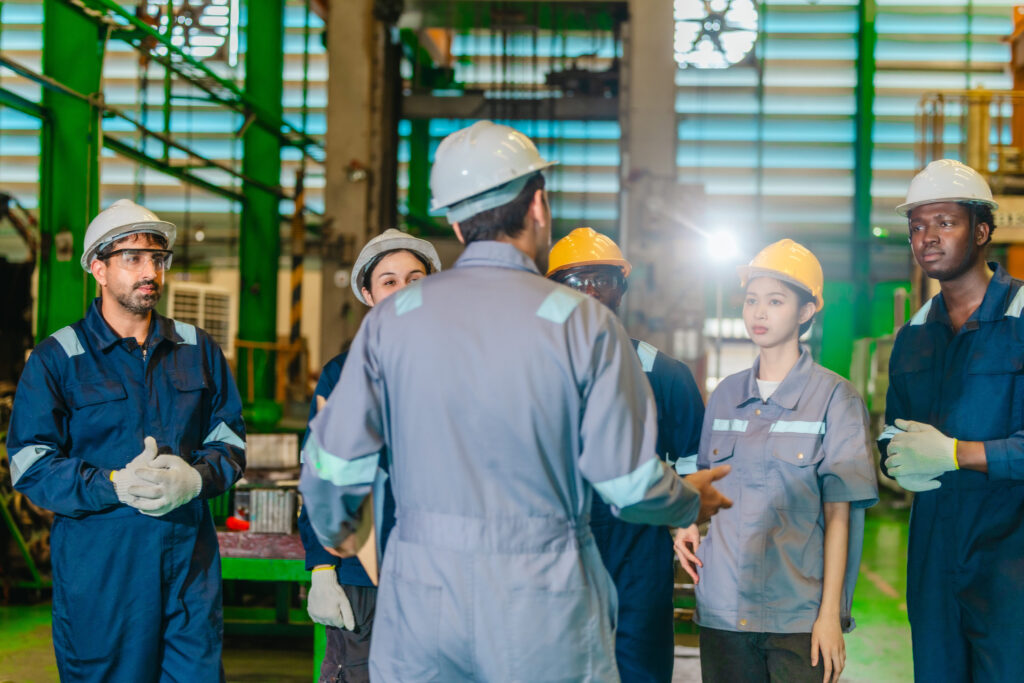
The employees closest to your customers can see what leadership cannot. The CHROs who build systems to hear them and act on their feedback build the most resilient organisations.
Own data, not benchmarks: What holds up in a board conversation on wellbeing

Employers overwhelmingly say workplace wellbeing matters. AIA Singapore’s Kenneth Tan tells HRM Asia why that agreement rarely survives contact with a board, and what evidence does.
A generation is arriving fluent in AI. Nobody has worked out how to train them

Students in Singapore are entering work more fluent in AI than the organisations hiring them. OpenAI’s Raghav Gupta on productive struggle, the apprenticeship, and what comfort with these tools does not tell you about a person.
AI is creating capacity. Where it goes decides the value
Ahead of CHRO Series Indonesia 2026, Novo Indonesia’s Adhika Widya Sena on the move from implementing HR technology to shaping the human operating model around it.
Singapore makes one in 10 of the world’s chips. Talent depth is another question

Waiting for a specialised role to fall vacant before developing the skills to fill it no longer works, says Lam Research’s Andrew Goh. The South-East Asia head on hiring for technologies that outpace their own qualifications.
From decision to direction: Where good strategies lose their way
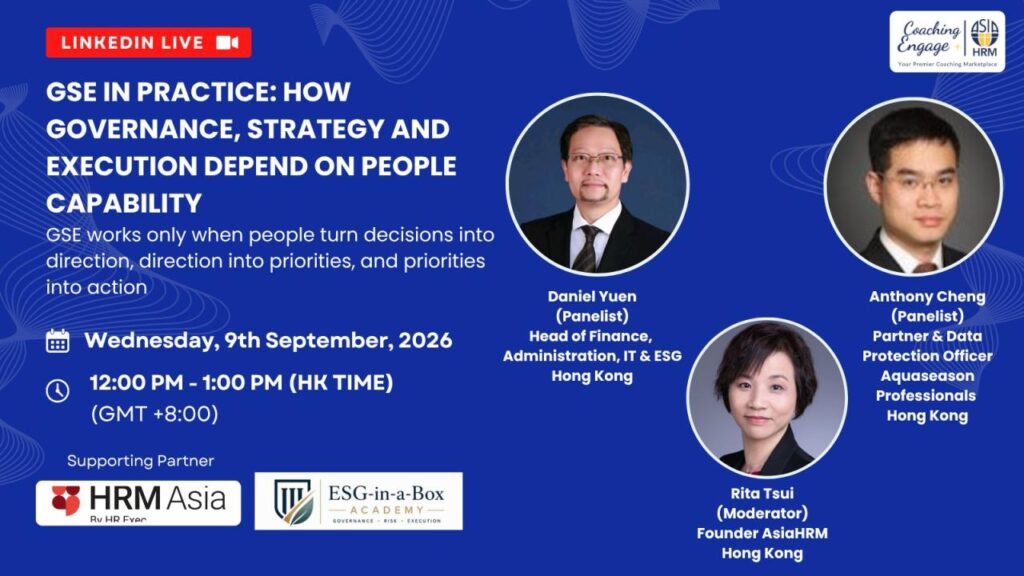
Having good people is not the same as having an organisation that can act on its decisions, speakers argued in AsiaHRM’s Governance Series.
The apprentice and the veteran: How expertise survives automation
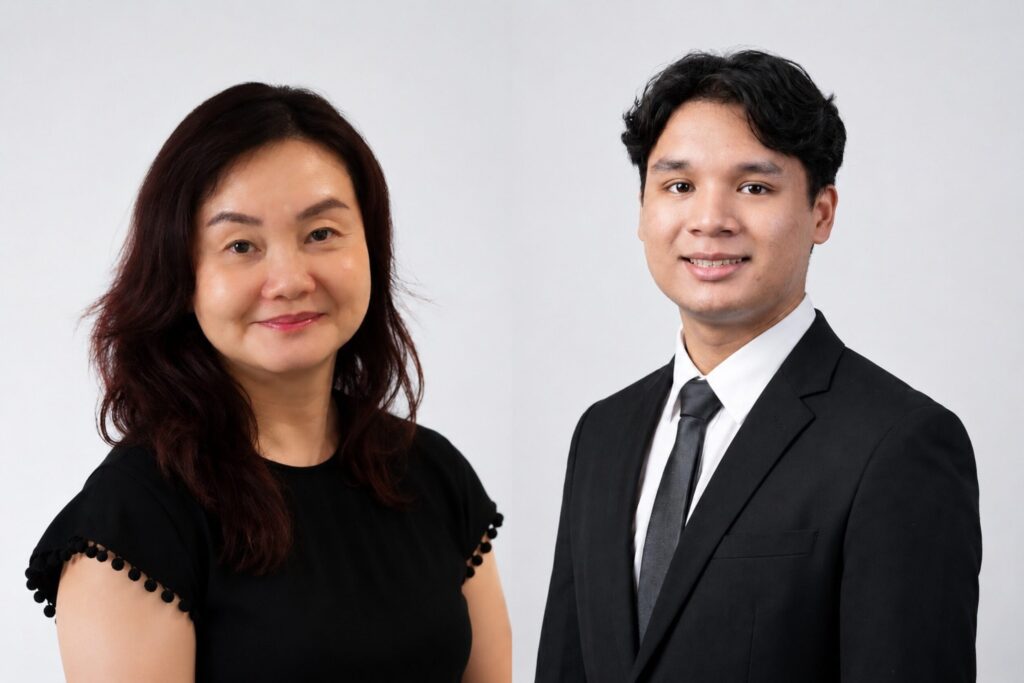
A business support veteran of 27 years and a work-study engineer who went from server checks to building AI agents – two NCS employees on what it takes to work with AI and what it cannot replace.
Where do senior cyber professionals come from when the junior jobs disappear?

AI is absorbing the junior work that senior cybersecurity professionals once learned on. Fortinet’s Jess Ng on what that means for the talent pipeline and for retention.
Workplace wellbeing: The awareness gap has closed. The execution gap persists

Although the data shows that workplace wellbeing has become an accepted business priority, organisations struggle to translate it into measurable outcomes.
What raising a child taught a CEO about leading
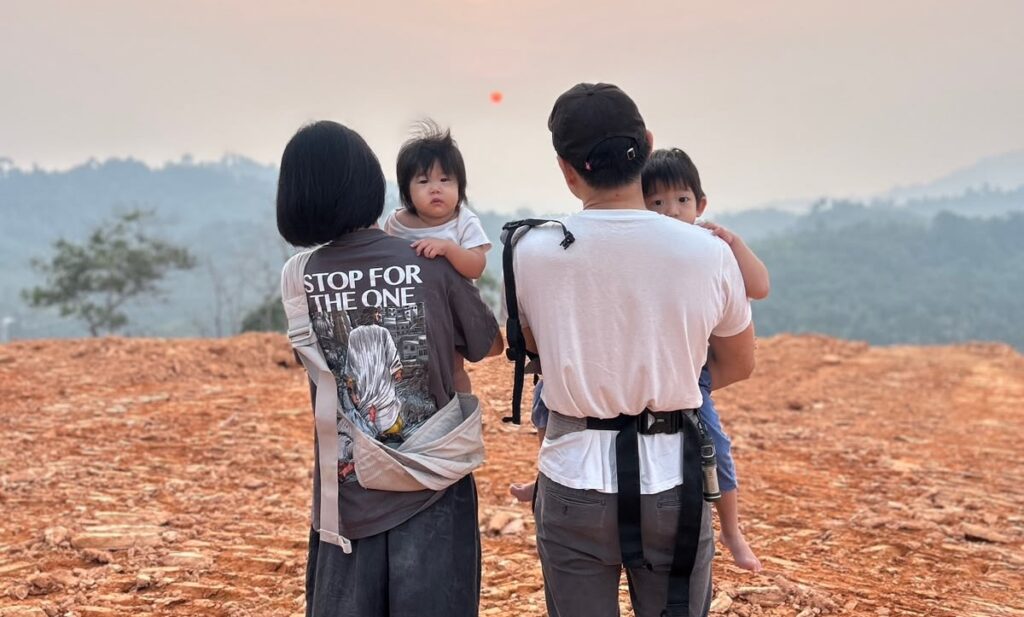
Being physically present with his newborn son did not make Dr Xander Ong a more confident father—taking sole responsibility did. The Centre for Fathering CEO on why that shift from helping to owning shapes stronger leaders, and why parental leave belongs in the conversation about talent.
The 15-year hire: What Abbott’s STEM pipeline tells HR about closing the gender gap
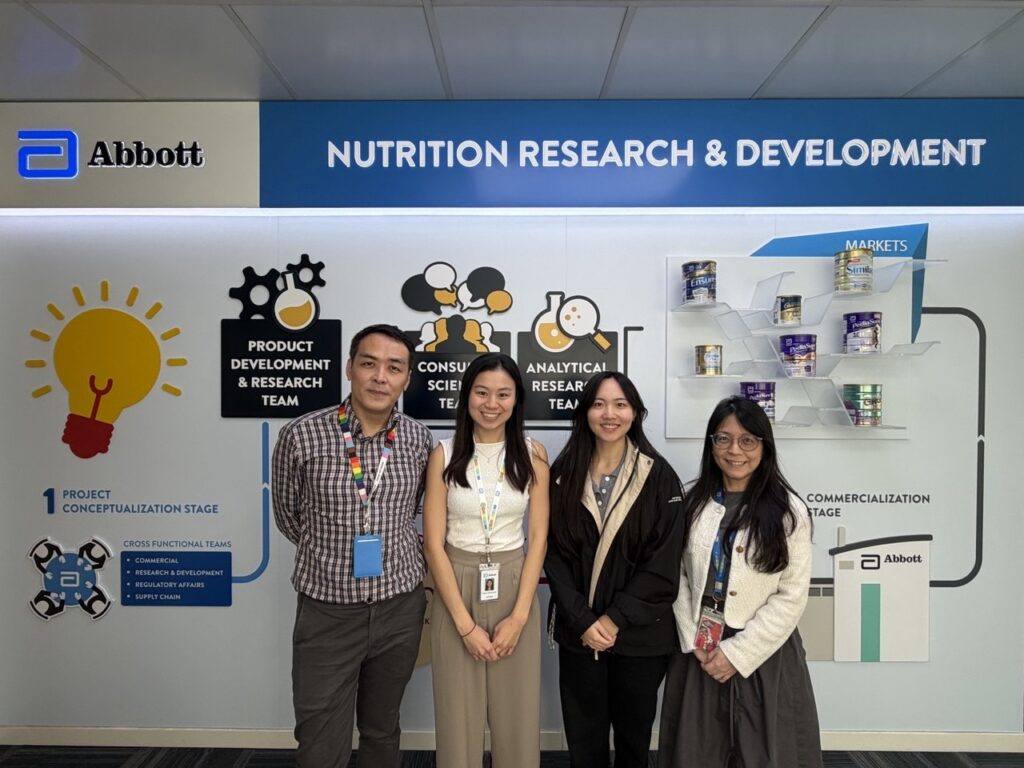
Singapore wants more women in STEM. One organisation’s talent strategy suggests the fix starts a decade before the job interview – and it is a lesson in early-talent thinking that any HR leader can borrow.
The frontline is HR’s biggest AI blind spot

A lot of AI is built around knowledge employees, but 80% of employees are on the frontline. How do you reach them?
When AI recommends, who stays accountable?

As AI takes on a growing share of hiring, performance, and promotion decisions, Rita Tsui, Founder of AsiaHRM, argues that the harder governance questions are not about policy at all, but about judgement, accountability, and the behaviour of the people making the call.
“You cannot sue an AI”: Why adoption comes down to people, not platforms

Deploying AI is the part most organisations have mastered. Jun Tay, who works for a major bank in Asia, explains what happens after, and why the human shift, not the technology, decides whether adoption sticks.
The workforce risk that doesn’t show up in your engagement survey
Recent data show a shift in the dominant workforce health risk and a more complicated picture of disengagement than the numbers suggest.
Tourism offers jobs, not careers. Mandai Wildlife Group is trying to prove otherwise

Mandai Wildlife Group has put competency-based pay and structured pathways behind frontline roles. Two long-serving employees describe what that has looked like in practice.
Should people grow the organisation, or should the organisation grow its people?
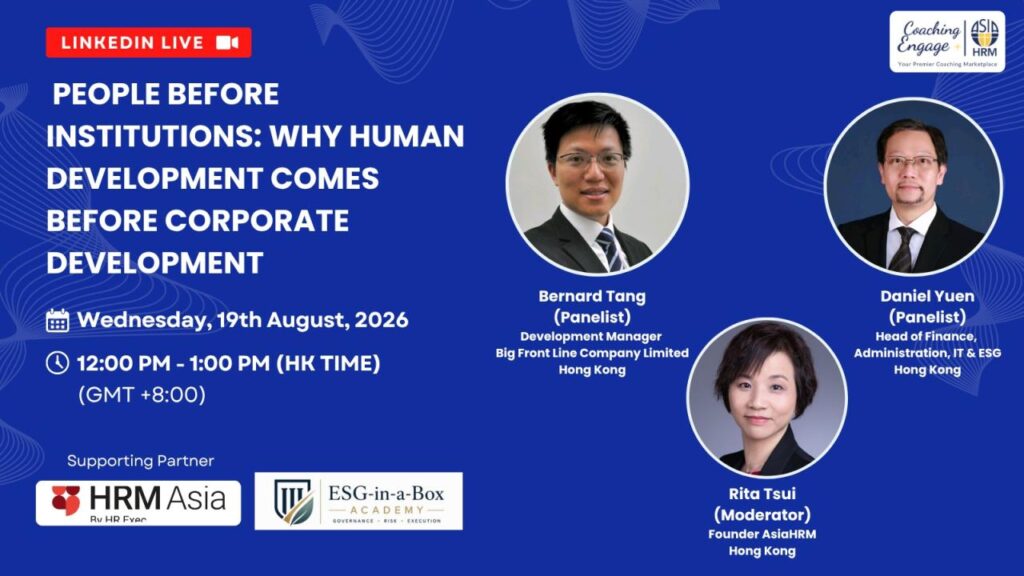
Two Hong Kong practitioners took opposite starting positions on the same budget line – and both conceded that where an organisation sits in its cycle shapes the answer.
Employees are navigating AI disruption in the dark

While organisations are diving in full on to adopt AI, employees are a bit slower in taking up the cause, and the result will be telling.
What workplace support for marrow donation looks like in practice

Nearly half of Singaporeans say workplace support shapes whether they would register as a marrow donor. What that support looks like in practice is still being worked out.
Ten years of poor health, and the workplace in the middle of it
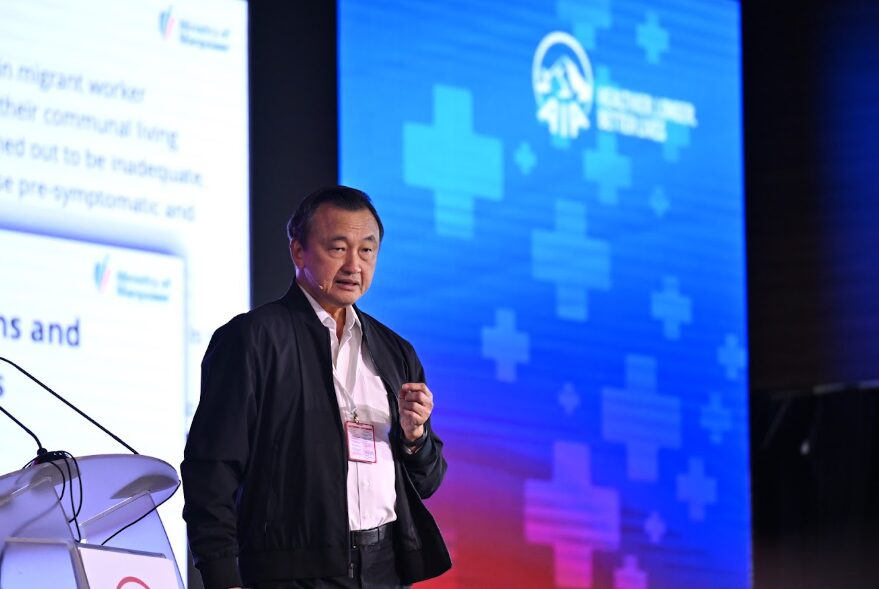
Between a health span ending at 70 and a life expectancy of 80 sits a decade in poor health. At the inaugural AIA Healthcare Summit, the argument was that employers hold more of that decade than they think, and that fragmentation – not funding – is the constraint.
AI adoption isn’t one-size-fits-all. Five strategies to make it work

A recent study suggests that rather than asking how to get people to use AI, employers should ask how groups experience AI differently and tailor their approaches.
The technology is the easy part. Transformation stalls on the people.

Singapore’s S$400 million Enterprise Workforce Transformation Package is a bet that the workforce, not the tooling, is the missing piece of the AI.
Zuckerberg’s AI vision: More jobs, fewer workers and ‘personal superintelligence’

Mark Zuckerberg’s new AI manifesto argues that automation would not outpace human capability and outlines what that means for HR leaders.
The dull work built your senior people. Now AI does it first.

If AI absorbs the routine tasks juniors once cut their teeth on, where does the next generation of judgement come from? Dr Gary Ang, co-author of a new Asia Tech Alliance paper, on the pipeline problem HR is not yet planning for.