
New Zealand mandates gender pay gap reporting

Nearly 900 organisations, each with over 250 employees, are set to disclose their gender pay gaps under new regulations.
Zoom mandates partial return to office for employees

With immediate effect, employees of Zoom need to be in the office at least two times a week as part of a new hybrid work policy.
Forging new paths: Navigating career crossroads for fulfilment and success

Transitioning to a new career may not be as daunting as it seems and can lead to unforeseen fulfilment if certain choices are made.
Engaging employees in a changing work environment

Howden’s Primus Lee highlights the importance of empowering and engaging employees with the right benefits in flexible working environments.
The rise of millennials and Gen Z: What HR needs to know

HR expert Tasha Enright explains how organisations and HR departments can better relate to millennials and Gen Z employees in the workplace.
Over one in five employees in the Philippines seek new opportunities

Organisations should look beyond financial motivation by focusing on employee wellbeing in order to retain employees.
Creating a fairer workplace in Singapore

Prior to the passage of the Workplace Fairness Legislation in 2024, Singapore has outlined key areas that will be protected in the workplace.
The four-day workweek: Focus on the journey and not the destination

Before implementing a four-day workweek, organisations need to better understand their workforce needs and what employees want.
Fresh graduates in Hong Kong have more power to negotiate higher salary

As organisations look to attract and retain top talent, university graduates in Hong Kong saw an increase in their starting salaries in 2022.
The weekend begins on Friday for Grayling Singapore employees

The introduction of a 4.5-day workweek is aimed at making employees more refreshed and fulfilled to meet the demands of their work, says the PR firm.
In sight, in mind: Getting noticed in the recruitment process

Applicants stand a better chance of getting the job if they stay in the mind of recruiters reviewing multiple candidates.
Connecting ESG to the employee experience: From vision to reality
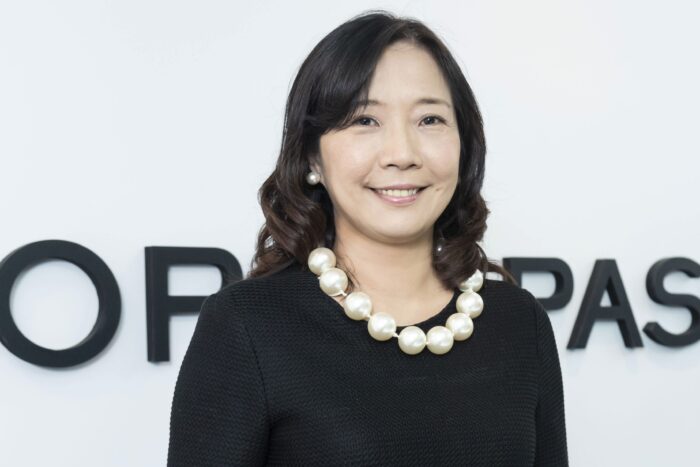
Peggy Wu, Vice-President, AbbVie, discusses what employers can do to make employees relate to their organisation’s ESG framework.
More enter the workforce in New Zealand despite unemployment hike
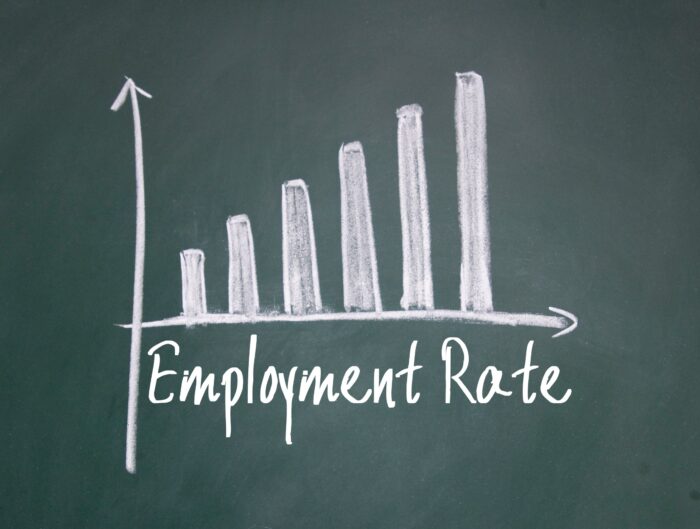
Both unemployment and employment rose in the June quarter as the proportion of people quantified as being available for work increased to 72.4%.
Providing more supportive workplaces for working mothers

Policies that support working women and their families, such as paid maternity leave and lactation rooms, reduce absenteeism and improve retention.
How income disparities impact sustainable behaviour
Higher-income respondents show more interest in sustainable organisations, but only 63% believe employers address climate change adequately.
Employees spending less time in the office, with lesser overtime

The number of hours in the average workday spent by the average employee has dropped with no compromise in productivity levels in the past year.
More employees faced mental health discrimination in Singapore

Even though employers have done more to combat workplace discrimination, mental health discrimination in the workplace rose in 2022.
To truly unleash the power of generative AI, don’t forget the human

Generative AI and human adaptability must work together to make sustainable progress, writes Jason Averbook.
Employees in Hong Kong welcome new job opportunities

Demonstrating career proactivity and a desire for better opportunities, more employees are less likely to stay with their current employers for long.
Australia rolls out family violence leave for all employees

Small organisations’ employees now have the access to the same rights as employees working for large or medium organisations.
Work location does not matter, say Australian employees

Younger employees in particular in Australia are more eager to travel the world while still working for their current employers.
Getting women back to work by addressing childcare needs

The Malaysian government has been urged to invest in more childcare options to encourage more women to re-enter the workforce.
WFH most prevalent flexible work arrangement in Singapore

Employees working for larger firms are more likely to be provided with the opportunity to work remotely, compared to those who work in smaller ones.
Productive and happier, employees on four-day workweek declare

Organisations taking part in a four-day workweek trial have seen employees working less hours, without any compromise to their productivity.
Looking to hire? Try turning to former employees

Many employees in Singapore are willing to return to their previous employers if the conditions are right, and employers are welcoming them back.
The biggest factor shaping organisations? Culture and people

Organisational culture remains the biggest factor in raising financial performance and engaging employees within the workplace.
Organisations in Japan offer restricted stock to attract talent

Organisations like Sony and Renesas Electronics are turning employees into stakeholders to foster loyalty and drive organisational success.
One in two employees in Hong Kong expect post-retirement work

Changing demographics and rising living costs make it difficult for older adults to contemplate retirement, raising the age profile of the workforce.
AI in HR: Beyond the noise, there are benefits

Organisations can deploy AI to improve diversity in hiring and potentially raise productivity, writes Steve Boese.
New JobStreet platform addresses L&D needs of employees in Malaysia

The seekMAX platform provides content that supports employees with career advice and ways to upskill and grow their careers.