

Singapore enhances mental health support at workplaces

The national task force on mental health will focus on stepping up resources for employees in the workplace.
More employees in Japan returning to the office

A recent survey has shown that more than 70% of Japanese companies are currently not implementing working from home for their employees.
Singapore aims to retrain at least half a million mid-career workers a year
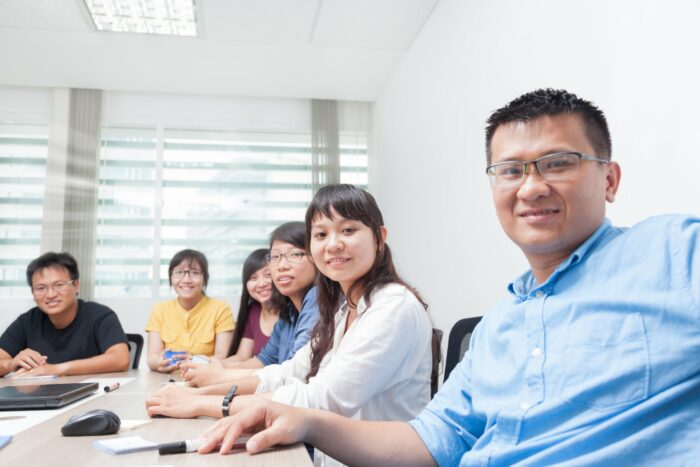
The country must overcome an asymmetry of information to spark the interest of working adults in reskilling and upskilling, said the education minister.
Greater clarity urged for flexi-work terms in Malaysia

Malaysia recently announced that workers could apply for flexible working arrangements with their companies from September 1.
Malaysia launches digital initiative to strengthen digital capabilities

Among other objectives, the new scheme will aim to develop more talents to support the country’s digital workforce.
Employees in Singapore intend to work longer
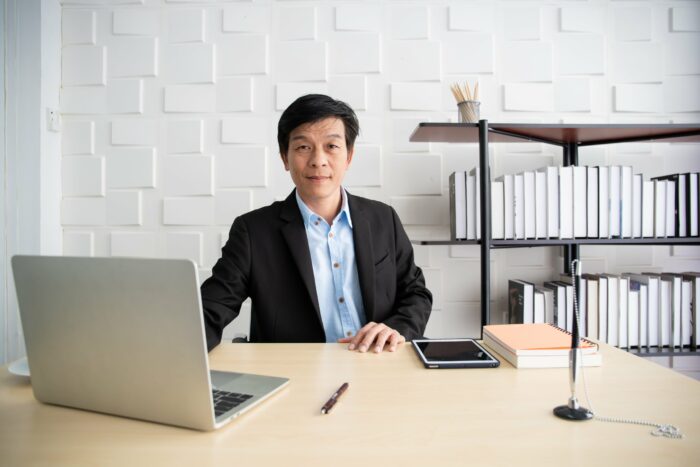
The top reasons for wanting to remain employed are to stay active, have a sense of purpose, maintain social connections, and save up for old age.
How HR can play a leading role with Gen Z

Yvonne Teo, Vice-President, HR, Asia-Pacific, ADP, discusses how HR can lead a new generation of Gen Z employees in the workplace.
South Korea trials sickness benefits for workers

The programme entails providing sick pay to workers who need to go on unpaid leave for injuries that occurred outside the workplace.
Why compensation is vital in the Great Employee Reset

An integrated compensations and benefit strategy could be the key for organisations to retain their best talent, BIPO highlights.
Indonesian ministry backs maternity leave provision of six months
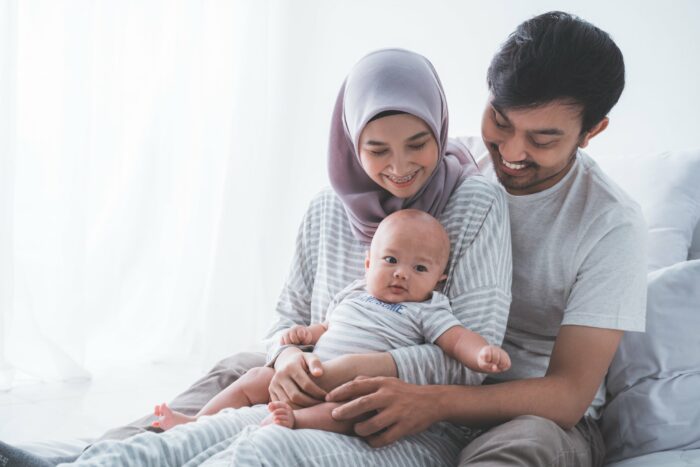
Sufficient leave would help mothers spend more time to stimulate their children, which can support the child’s growth and development, says Kemenko PMK.
Malaysia studies feasibility of four-day work week

More thought must go into how this working arrangement can work, says the country’s Public Service Department.
Building a global workforce by employing talent anywhere
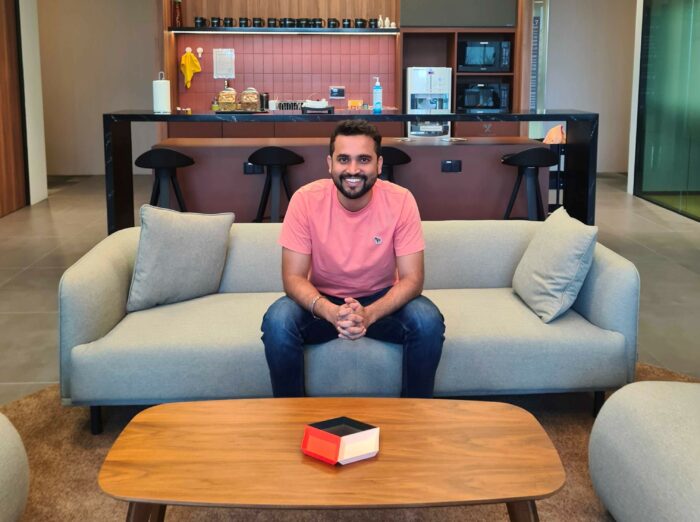
Sagar Khatri, Co-Founder and CEO of Multiplier, highlights how the company is supporting the employment of work teams internationally.
New labour laws in India to bring workplace transformation

New labour codes will potentially transform work culture, affecting working hours, salaries, leave and flexible work arrangements.
Australia mulls increasing parental leave for working fathers

Currently, the primary caregiver in a relationship receives 18 weeks of paid leave at the minimum wage, while fathers receive just two weeks of paid leave.
More workers in India joining gig economy

India’s gig economy currents employs about 7.7 million people and is set to nearly triple to 23.5 million workers by 2029-30.
Gen Z workers in Singapore most likely to switch jobs

While renumeration is still important to retain talent, employees are increasingly looking at other factors, including transparency and flexible work.
Tech workers in India continue with WFH practice

With most companies adopting hybrid work, employers fear that ordering employees back to the office may trigger a wave of resignations.
Women in Australia under-represented in workplace leadership

Australian women are more educated and qualified than men, but are under-represented in leadership positions and workforce participation.
Employers in Malaysia want to decide terms of flexi-work
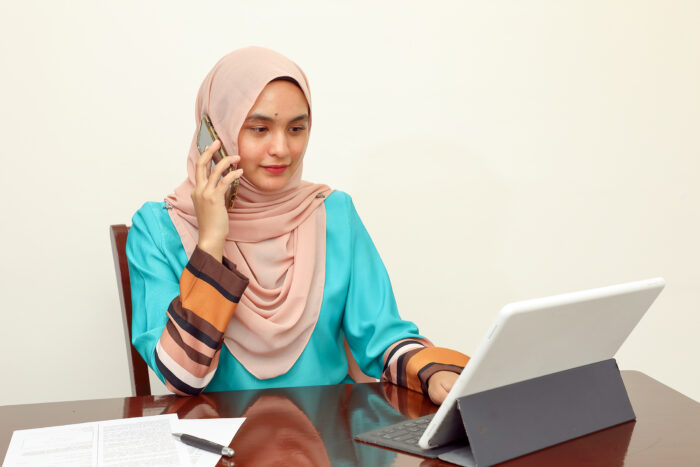
Companies want to decide on the kind of flexible working arrangements that meet their needs and not be dictated to about such arrangements.
Australia’s Queensland state scraps “maternity leave” term

The government hopes that the change in terms would promote gender inclusivity and encourage gender-neutral language.
Could upskilling help solve skills gaps in Singapore?

ADP’s new report shows that Singapore’s workers want more training as organisations look to close skills gaps
Japan encourages firms to let workers take up side gigs

The government hopes that the move will help foster greater diversity in the country’s work practices and encourage talent to move into growth areas.
Employees in Malaysia offered flexible work options

From September 1, employees can submit written applications that can cover changes in working hours, working days and also the place of work.
Overtime to be calculated on a monthly basis in South Korea

The incoming government will address the country’s 52-hour workweek policy and the seniority-based pay models adopted by most companies.
Malaysian SMEs oppose 4-day workweek
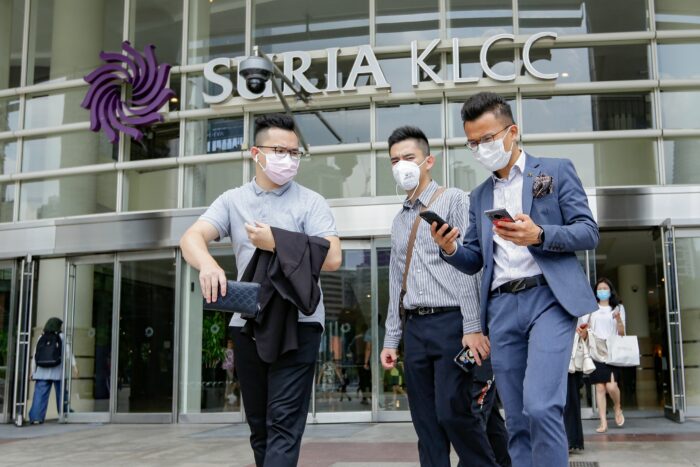
A four-day work week is not practical as Malaysia is currently facing low productivity and labour problems, businesses argue.
Hunan province in China extends maternity leave
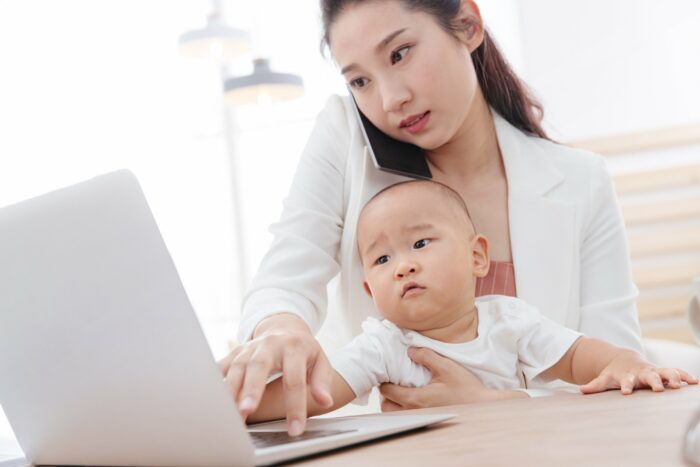
Working mothers who have used up their maternity leave can now apply for an extension of more days up until the child is one year old.
Civil servants in the Philippines offered flexible work options

Government agencies can now implement alternative work arrangements at any time for some 1.7 million employees regardless of their status of appointment.
Starbucks brews up work-life integration
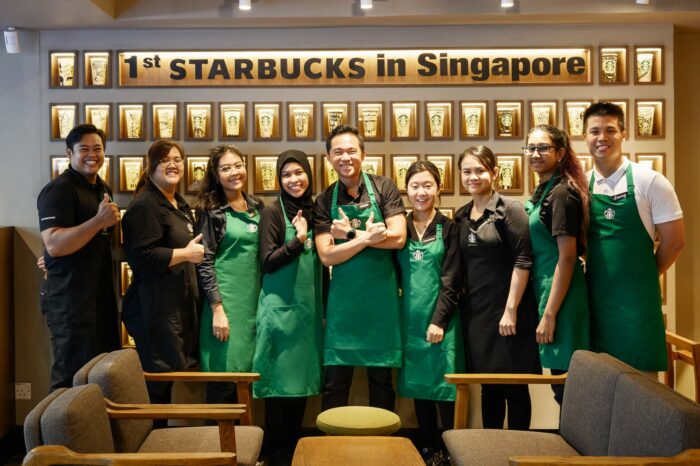
Patrick Kwok, General Manager, Starbucks Singapore, shares how employees are benefiting from the Starbucks Experience.
Indonesian businesses object to proposed increase in parental leave

The Indonesian Employers Association (Apindo) has objected to new fathers being entitled to paternity leave for a maximum of 40 days.
Change work for good: Redefining the workforce experience

As the way we work continue to change and evolve, organisations are looking for more ways to build an interconnected and future-ready workforce.