
India has no plans to provide menstrual leave

There are no proposals being examined to include such leave in regulations, said India’s Union Minister for Women and Child Development.
Businesses in Japan urged to pay employees more

The government has urged companies to raise wages on par with price hikes of around 2%, a level the central bank has set as its inflation target.
Australia moves to provide casual workers with sick leave

The Victorian state government has paid out A$6m, covering over 30,000 workers who have signed up to its pilot scheme to trial sick leave for casuals.
Informal workers in Indonesia hit all-time high

In the early days of the pandemic, the percentage of informal workers was 56.64%, but this continued to increase till almost 60% as of this February.
New laws in Australia push for paid domestic violence leave

More than 11 million Australians, including about 2.4 million casual workers, will soon have access to 10 days of paid domestic violence leave.
Taiwan wants to equip workforce with AI skills

Unions can apply for subsidies to train workers in artificial intelligence (AI) to prepare the workforce for disruptions brought by a changing labour market.
Improving employee wellbeing in New Zealand

The 2015 Health and Safety at Work Act in New Zealand requires workplaces to look after the physical and mental health and wellbeing of staff.
Companies in Japan allow employees to postpone retirement

About 25.6% of companies are heeding a government directive to allow employees to voluntarily work until they are 70 years old.
Australia’s public service updates remote working guidance

Amid a COVID-19 spike, public agencies are responsible for setting their own working arrangements and updating them.
New Zealand court ruling discourages employees from speaking up

Toy company Zuru plans to sue former employees who anonymously wrote scathing online reviews of the company.
Younger and older bosses disagree on remote working practice

Executives closer to retirement age prefer to manage workers when they can see them in person, which differs from managers in their 30s and 40s.
Employees of SMEs in Japan to be paid more

To retain and attract talent, 50.9% of SMEs have either implemented or plan to implement a raise in wages in fiscal year 2022.
Australians want superannuation to be paid on parental leave

Some 80% respondents to a survey supported the move, indicating clear community support for paying superannuation on parental leave.
HRM Asia Readers’ Choice Awards 2022: Nominations closing soon!
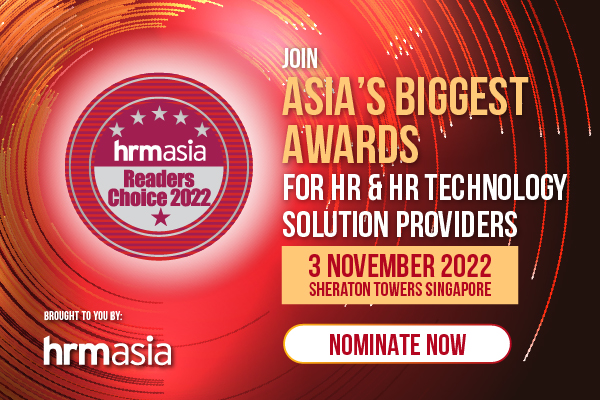
Nominations for the coveted HRM Asia Readers’ Choice Awards 2022 will close on August 31, so act now before it’s too late!
Malaysia urged to cover workers’ wages for maternity leave

From September 1, the cost of the 90-day maternity leave would be fully borne by employers in Malaysia, without government support.
Companies in Australia urged to work remotely

Companies have been urged to allow their employees to work from home and implement mask wearing in the office to combat a new Omicron wave.
What’s ahead for HR leaders in 2023 and beyond?
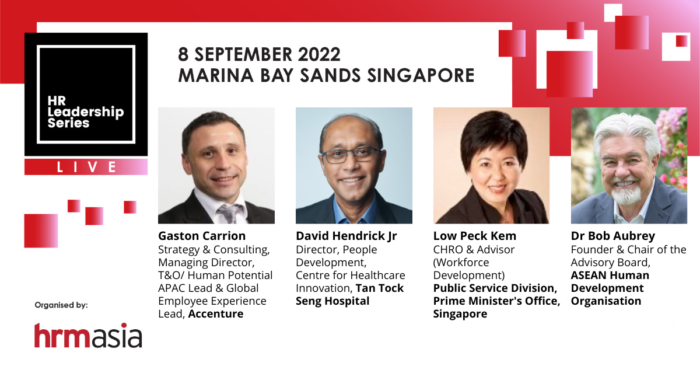
Organised by HRM Asia, the in-person HR Leadership Series: Live will examine the role HR leaders can play in shaping work in 2023.
Workplaces in Cambodia told to provide more breastfeeding facilities

The government has urged all workplaces with 100 or more women employees to install lactation rooms to support breastfeeding mothers.
India adapts rules for WFH arrangement

Workers who are covered include contractual workers, those who are travelling, temporarily incapacitated, and those who are working offsite.
Public service in Singapore embraces flexi-work

Hybrid working arrangements are becoming the norm in the public sector, which is taking the lead in the country’s endeavour to retain flexible work.
Why companies can’t hire their way out of the tech talent crunch

Stephen Koss, EY Asia-Pacific Workforce Advisory Leader, provides tips for creating a multi-faceted approach to hiring and talent sourcing.
Calls for maternity leave to be extended in Australia

Research has shown that parental care leads to better developmental outcomes, which is key for success in school, the workplace and larger community.
Japan looks to close gender gap in society and workplace

According to a World Economic Forum report, Japan has the largest gender gap in East Asia and Pacific, with women unrepresented in the workforce.
Why employers should value remote work
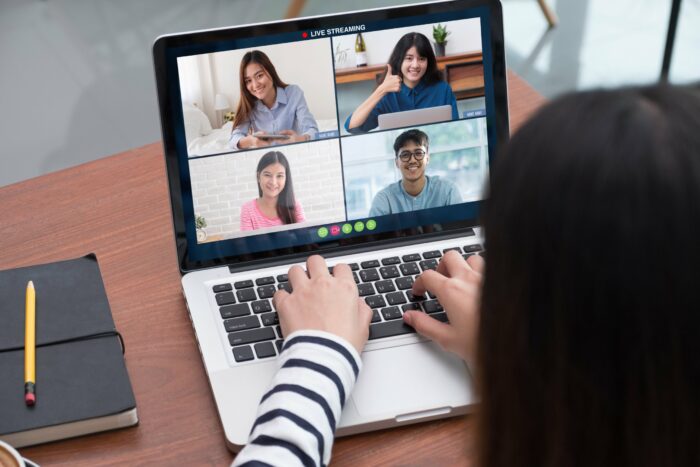
While it may not work for everyone, organisations should not be so quick to dismiss remote work and the potential benefits it can bring.
More companies in India considering hybrid work model

With flexible work gaining momentum, about 73% of companies in India are evaluating the feasibility of hybrid working arrangements.
Large enterprises in Australia to continue hybrid work

Health authorities have been calling for a return to widespread remote work because of a worsening winter COVID-19 wave.
Wage code in India face delays in rollout

Under a new rule, firms are required to pay the full wages of the employee by the last working day, regardless of resignation, retrenchment, or dismissal.
What is your employee development strategy to retain talent?

Dany Holbrook, Senior People Scientist at Culture Amp, explains how organisations can create an effective employee development strategy.
Non-wage benefits considered in the Philippines

The Philippines’ labour department eyes private sector assistance for worker benefits to alleviate rising cost of living.
India’s DMEO pushes for Gender Budgeting Act

This includes legally mandating all data-collecting institutions to analyse and publish gender-disaggregated statistics to reduce gender inequality.