
More companies in Thailand embrace hybrid working

While more employees in Asia-Pacific are returning to the office, many companies in Thailand are continuing hybrid work arrangements.
Employees in South Korea can expect to work more years

Due to the shrinking working population in the country, the government is considering extending or abolishing the retirement age.
India considers paternity leave extension

The National Commission for Women has reviewed and analysed legislation affecting women, and recommended amendments to meet shortcomings.
What is the talent imperative for organisations today?

A new report by i4cp and Fortune Media highlights how high-performing organisations are attracting, developing, and retaining talent.
Companies in Taiwan review compensation packages

About 44.8% of companies are considering raising wages in the second half of the year to retain their best employees.
Malaysia makes amendments to Employment Act

Taking effect on September 1, these include the extension of maternity leave and readjusting the maximum weekly hours of work.
South Australia increases compensation for workplace injury

This comes after the state government reached a compromise with business unions, and increased the injury impairment threshold to 35% from 30%.
South Korea continues debate over peak wage system

The Supreme Court recently ruled that the current peak wage system is tantamount to age-based discrimination as it cuts wages after a certain age.
How HR leadership can continue to drive organisational success

Organised by HRM Asia, the in-person HR Leadership Series 2022 will examine the role HR leaders can play in shaping work in 2023.
Indonesia provides more support for working mothers

A proposed Bill on Maternal and Child Welfare will provide working mothers with more benefits and help develop a better generation of human resources.
Vietnam to implement regional minimum wage hike
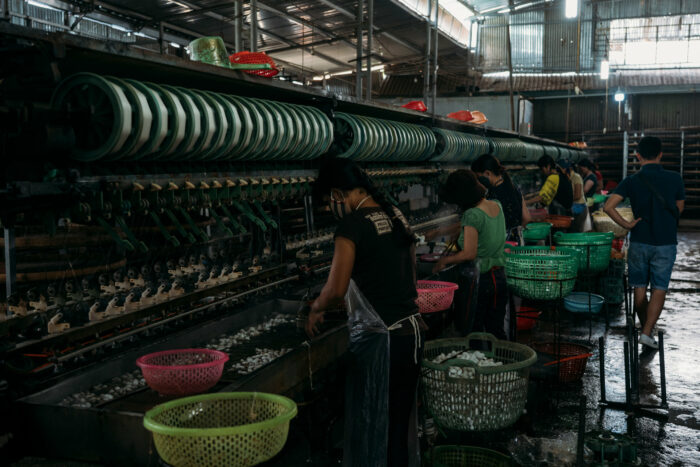
Taking effect on July 1, the wage adjustments will be determined by the region in which companies operate in.
Parental leave increases in New Zealand

From July 1, new parents will get additional paid parental leave entitlements that will result in up to NZ$40 (US$25) extra a week.
More Australian businesses try out four-day workweek

Organisations across a range of industries are gearing up to give Australian workers a four-day working week for six months with no cut to pay.
Companies in Japan reluctant to provide lengthy parental leave

There is a large gap between the length of paternal leave employers think is appropriate and that which male employees want to take.
Calls for flexible work arrangements for frontline workers in Australia

These could include providing options for flexible rosters, shift swapping, job shares, compressed work weeks, split shifts and multi-skilling.
72.7% of South Korean big firms support remote work

Despite the easing of pandemic measures in the country, large companies are continuing to allow their employees to work from home.
Building workforce resiliency key for Singapore
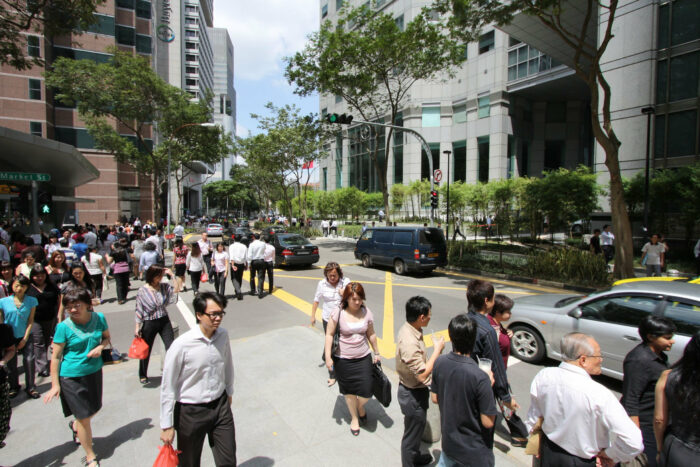
It is essential to attract the right foreign workforce who will bring in the skills to complement the local workforce, said the Manpower Minister.
Transition to flexible work begins in the Philippines

Starting from June 15, new flexible work arrangements (FWA) in the public sector will cover 1.7 million employees.
Singapore plans more attractive and flexible workspaces

Such workspaces will support innovation and consider the new needs of businesses and workers in the future economy.
Will other employers join Tesla in ending remote work?

Elon Musk’s call for Tesla employees to return to the office full-time has reignited the debate over the longevity of remote work.
Eco-friendly policies could entice Australian workers back to office

‘Going green’ could bring workers back to the city and create a conducive work environment that improves health and wellbeing.
How companies can move beyond traditional compensation strategies

A report from Gartner highlights four compensation strategies organisations can deploy in a competitive talent market.
More Australian employers certified “family inclusive”

Of the 70 employers that have achieved the Family Friendly Workplaces (FFW) certification, 70% are providing gender equal access to paid parental leave.
Taiwan considers more support for working parents

Taiwan’s government has been urged to provide subsidies for parents who miss work due to caregiving responsibilities.
Japan to mandate firms with over 300 workers to disclose gender pay gap

Companies will not have to publish how much their workers earn, only the difference in wages between male and female workers.
Millions of Australians to see biggest pay increase in years

If implemented, a 4% minimum wage increase will represent the biggest percentage increase in more than 10 years.
Employee welfare crucial to improve population’s health

The workplace is a very important part of people’s social circles, and a natural touchpoint to encourage habit changes, said Singapore’s health minister.
Attracting and retaining talent with a culture of belonging

Achievers Workforce Institute’s 2022 Engagement and Retention Report provides key insights into employee engagement and retention.
Malaysia pushes for menstrual leave policy

The HR Ministry has urged government-linked companies and private firms to implement menstrual leave policies without waiting for legislation.
Japan to support upskilling of one million workers

The government plans to offer workers relearning opportunities and new jobs, based on measures worth ¥400 billion over three years.