

Non-regular employment grows 2.4% year-on-year in Japan

As of August, 67.51 million people were employed in Japan, of which almost a third are those not in formal employment.
The Philippines prepares organisations to work from anywhere

New legislation is redefining what constitutes a workplace and how work is conducted away from the traditional office.
The Philippines proposes to consider commute time as working time

The work performed while commuting or in an alternative work environment constitutes regular work, says the Philippines Labour Department.
Japan’s job mobility falls below OECD average

Due to low unemployment and a stable job market, 2.9 million employees switched jobs in 2021, 630,000 fewer than in 2019.
Employers in India choose ‘3 days a week in office’ schedule

Hybrid working continues to be the most preferred workspace strategy in India, with 63% of the firms currently adopting this practice.
Gen Zs in Singapore plan to relocate for work

An ADP report found over 51% of workers aged between 18–24, and 43% between the ages of 24–34, have planned or considered relocation for their jobs.
Malaysia’s Gen Z workforce seeks more than renumeration

As the youngest generation to enter the workforce, Gen Z employees are looking beyond monetary fulfilment at work.
Indian firms want staff back in office despite PM Modi’s support for WFH

Employers believe that face-to-face interactions are key to forging bonds between colleagues in the workplace.
Amazon’s WFH strategy lets employees stay performance-focused

Amazon’s three-pronged work-from-home strategy places emphasis on how employees work rather than where they are working from.
Employers in the Philippines seek review of old labour policies

Employers have called on the government to reform outdated regulations and rethink existing investment incentives towards investment-led economic growth.
Workers in Japan continue to choose part-time employment

Most part-time workers are satisfied with their jobs, with flexible working hours cited as the main reason for wanting a part-time job.
Apple employees reject return-to-office directive

A petition has been launched to advocate for flexible working arrangements to accommodate the varied needs of Apple employees.
More Apple employees returning to the office

Beginning September 5, a mandatory three-day work policy will see employees return on Tuesdays, Thursdays, and a regular third day.
Employers in India support hybrid work arrangements

Nearly 53% of employers prefer hybrid work arrangements for their employees, though the degree of adoption varies from company to company.
Singapore plans more attractive and flexible workspaces

Such workspaces will support innovation and consider the new needs of businesses and workers in the future economy.
How companies can move beyond traditional compensation strategies

A report from Gartner highlights four compensation strategies organisations can deploy in a competitive talent market.
Australia’s job mobility reaches highest level in a decade

Some 1.3 million people changed jobs during the second year of the pandemic, an increase of 300,000 year-on-year.
HR Tech Festival Asia 2022: What’s happening on Day 3
The ASEAN Future of Work conference headlines Day 3 of HR Tech Festival Asia 2022 as attention turns to shaping the future of work in ASEAN.
HR Tech Festival Asia 2022: What’s happening on Day 2
From May 11-13, HR Tech Festival Asia 2022 will be presented virtually, offering a lineup of global and regional HR leaders.
AIC empowers employees to transition to hybrid work

Tan Kwang Cheak, CEO of the Agency for Integrated Care (AIC) in Singapore, discusses the organisation’s Work Away from Office (WAO) strategy.
Creating Asia’s largest HR technology marketplace
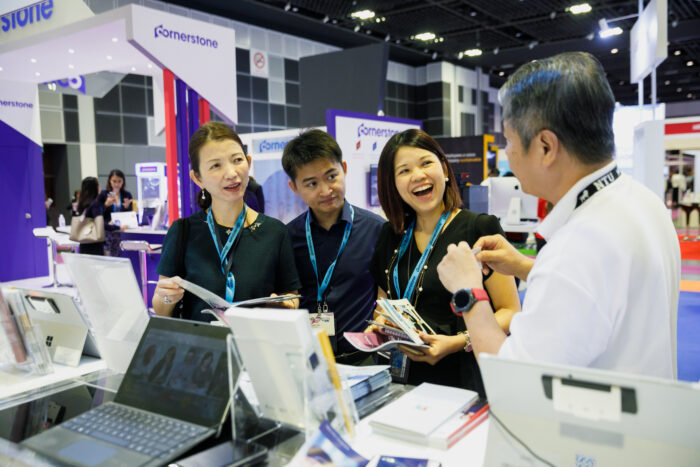
HR Tech Festival Asia 2022, which is taking place from May 10-13, will feature the biggest and most innovative HR tech brands in the market today.
Singapore continues transition to new modes of work

A tripartite model is helping employers and workers adapt to changes, including flexible work, said the Manpower Minister.
Permanent flexible work arrangements called for in Singapore

Even as the country eases workplace restrictions, employers are encouraged to permanently offer flexible work arrangements.
Indian startups embrace “work from anywhere” arrangement

This has allowed a particular startup to hire from a large pool of talent, with 95% of staff working from other locations.
Employers in Singapore must consider flexi-work arrangements

Under a new set of government guidelines, by 2024, employers must consider staff requests for flexible work arrangements fairly and properly.
Malaysia approves amendments to Employment Act

The Employment (Amendment) Bill 2021 enhances protection against discrimination, safeguards well-being, and offers flexible work options for workers.
Two Cents: Agile mindset underpins the transition to flexible working

Organisations are increasingly seeking flexible ways of working that prioritise the well-being of employees.
3 ways to turn the Great Resignation into a Great Retention moment

Besides offering attractive salaries and wages, how else can organisations retain employees when there is a shortage of talent?
The three biggest questions HR leaders will face in 2022

Achievers’ Matt Seadon shares the biggest questions that HR leaders will have to tackle in 2022 as they shape and redefine the post-pandemic workplace
Hybrid work will be default for Singapore’s public employees

Hybrid working would likely become a permanent feature of the public sector workforce, according to the Office of the Clerk of Parliament.