
The success of an international executive assignment is often decided long before the first quarterly review. In the high-stakes landscape of global talent mobility, the initial 30 days of a relocation represent a period of extreme vulnerability. Relocation stress is a primary driver of early contract termination—a phenomenon frequently labelled as “new-hire remorse.” When a senior leader is preoccupied with the logistical friction of a new city—navigating transit, securing household essentials, or managing family transitions—professional productivity inevitably suffers.
To mitigate these risks, progressive organisations are moving away from traditional corporate housing in favour of a “soft-landing” strategy. This approach prioritises an integrated ecosystem where residence, retail, and transit converge to eliminate the administrative and emotional burden of relocation.
Great World Residences, an upscale serviced apartment in the River Valley area of Singapore, has emerged as a case study in how physical infrastructure can be leveraged as a strategic human resources tool. As a member of the Kuok Group, a multinational conglomerate with a long history in real estate and hospitality, the property is committed to providing residents with a true home away from home.
From disruption to immediate productivity
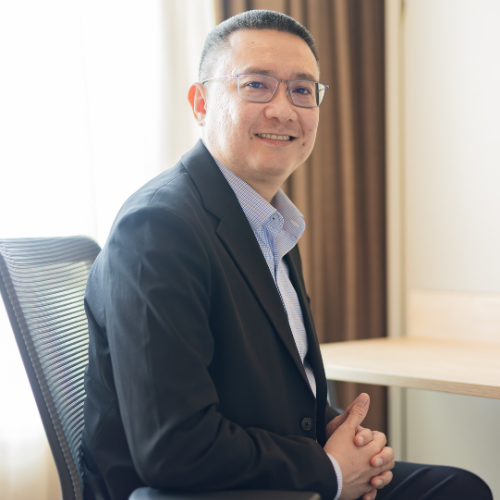
Darren Cher, Senior General Manager at Great World Residences, observes that the first month of an assignment is the most influential period in shaping an employee’s long-term commitment to the organisation. He tells HRM Asia that in a competitive global talent market, the first 30 days of relocation are critical in shaping a new hire’s perception of both their employer and their new environment.
Cher notes, “At Great World Residences, our central and integrated location—combining fully furnished serviced residences, direct access to Great World mall, and seamless connectivity via the Great World MRT station to the rest of Singapore—creates a true ‘soft-landing ecosystem’ that significantly reduces relocation stress.”
The mechanical success of this ecosystem relies on eliminating daily friction. For an executive arriving in Singapore, the traditional challenges of setting up a household—ranging from grocery sourcing to wellness routines—can take weeks to stabilise. By integrating 304 fully furnished units with the Great World shopping mall and the Great World MRT station, the property allows residents to bypass these hurdles.
“Newly relocated executives are able to transition quickly into daily life without the typical logistical challenges of setting up a household in a new country,” Cher says. “Immediate access to groceries, dining, wellness services, and daily conveniences within the mall removes friction from everyday routines, allowing residents to focus on their professional responsibilities from day one.”
The service factor: Creating confidence through support
However, a soft landing is not solely defined by architecture; it requires a sophisticated service layer that mirrors the employer’s organisational culture. Corporate mobility teams often struggle with the initiation stage of a move, where communication gaps can lead to early frustration. Cher emphasises that the human element is what anchors the physical environment.
“From the initiation stage, our sales and reservations team work closely with assignees and their mobility teams to ensure accommodation arrangements and accompanying requests are in order,” he explains. “Upon arrival, the always approachable and friendly guest services and housekeeping teams provide consistent operational support, helping to calm and aid the residents in settling into their new environment quickly and comfortably.” This service-led approach, he adds, enables international assignees to focus on their professional responsibilities while adapting smoothly to life in Singapore.
While executive productivity is the primary metric for many organisations, retention often hinges on a secondary, yet equally vital, factor: the wellbeing of the trailing family unit. Family dissatisfaction frequently emerges as a primary catalyst for early departure. Senior talent, in particular, is unlikely to remain in a role if their spouse or children struggle to integrate into the local community.
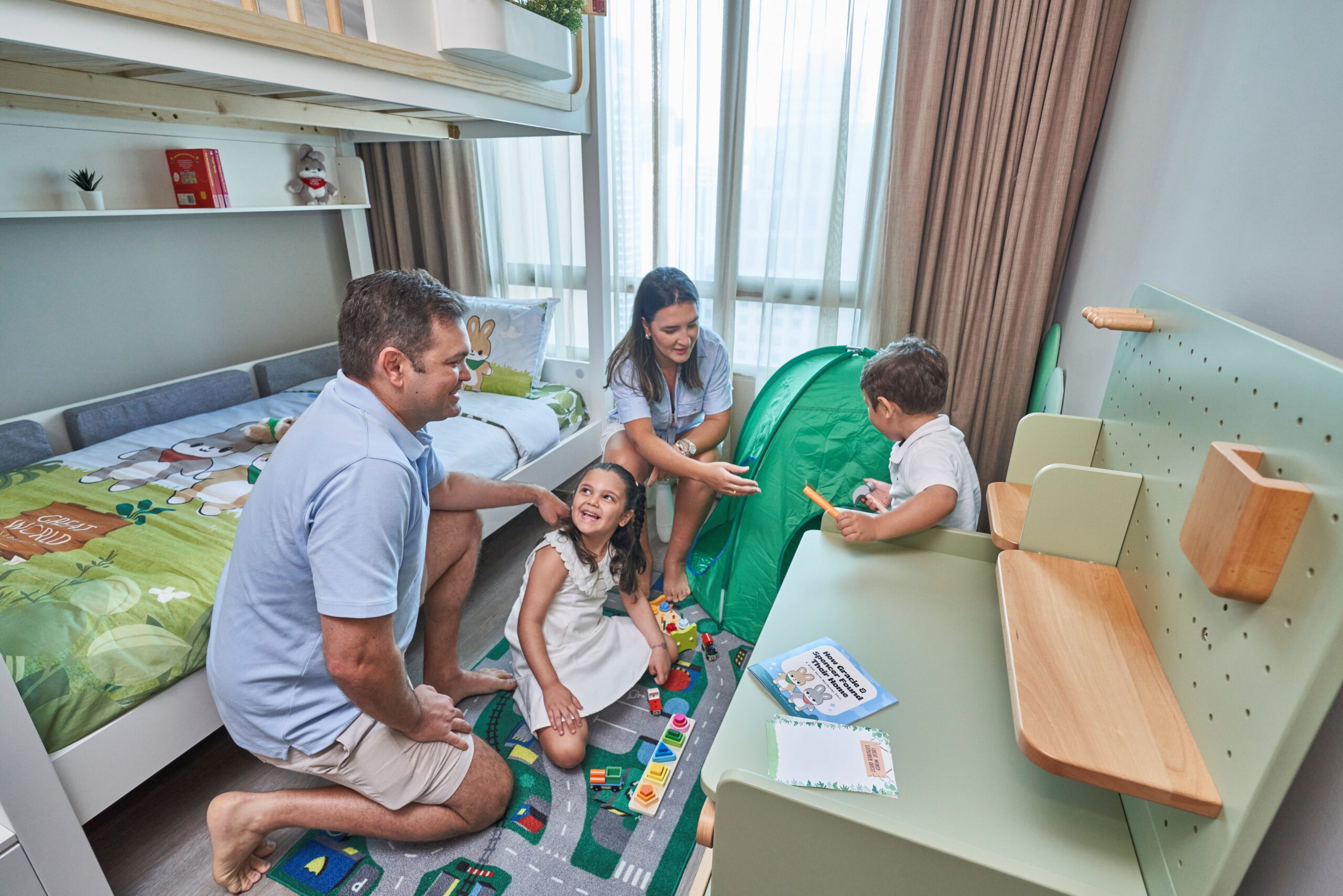
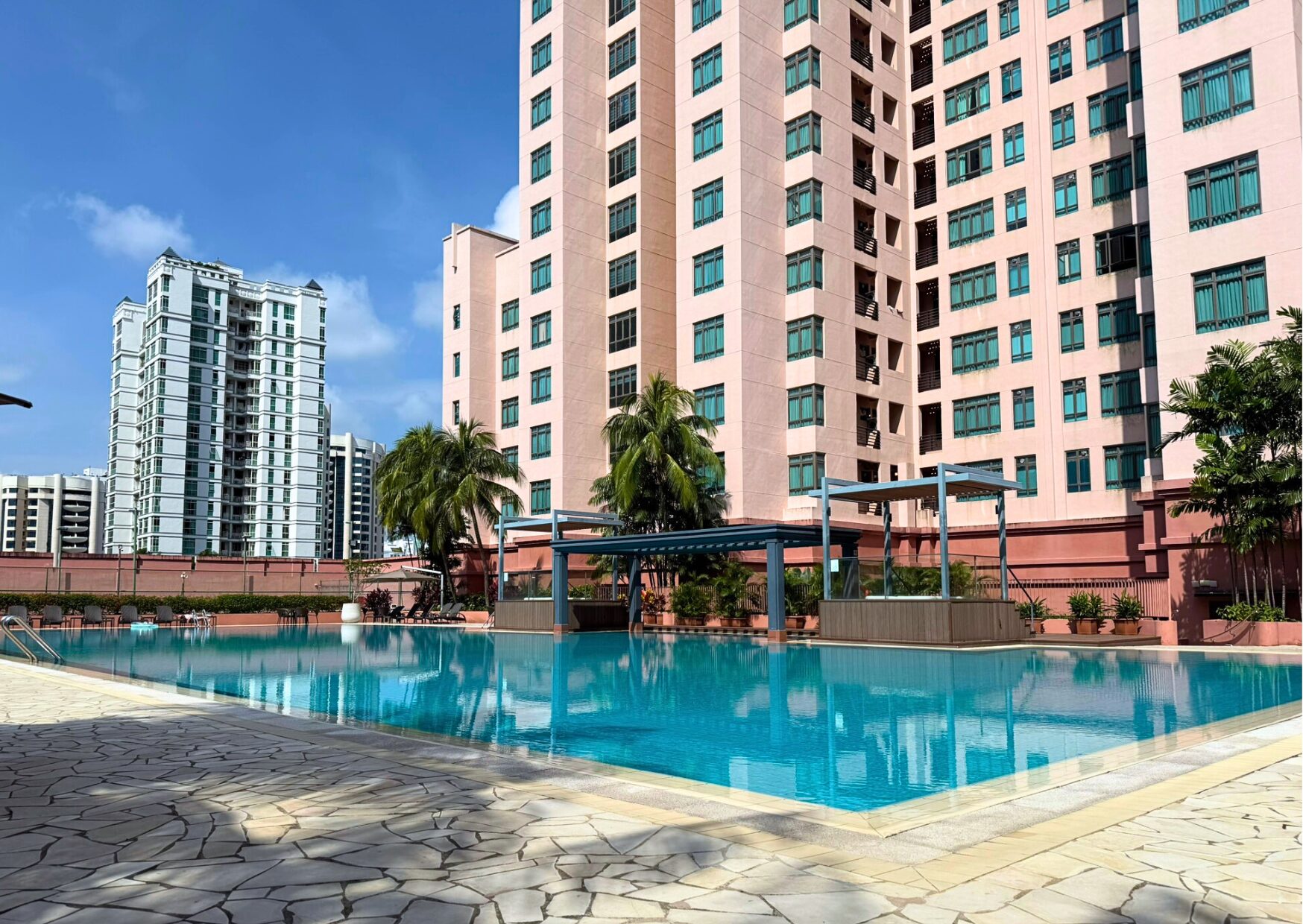 The challenge for mobility managers is to foster social capital within the family. At Great World Residences, the strategy involves providing a range of family-centric amenities that go beyond standard apartment living. The property includes an Olympic-size swimming pool, a wading pool for children, indoor and outdoor playgrounds, and even a pickleball court.
“These spaces encourage families to stay active while providing opportunities to spend time together in a safe and welcoming environment,” Cher says. He believes that relocation success often depends on how quickly families feel settled and supported, which is why the property places such a strong emphasis on family-centric living.
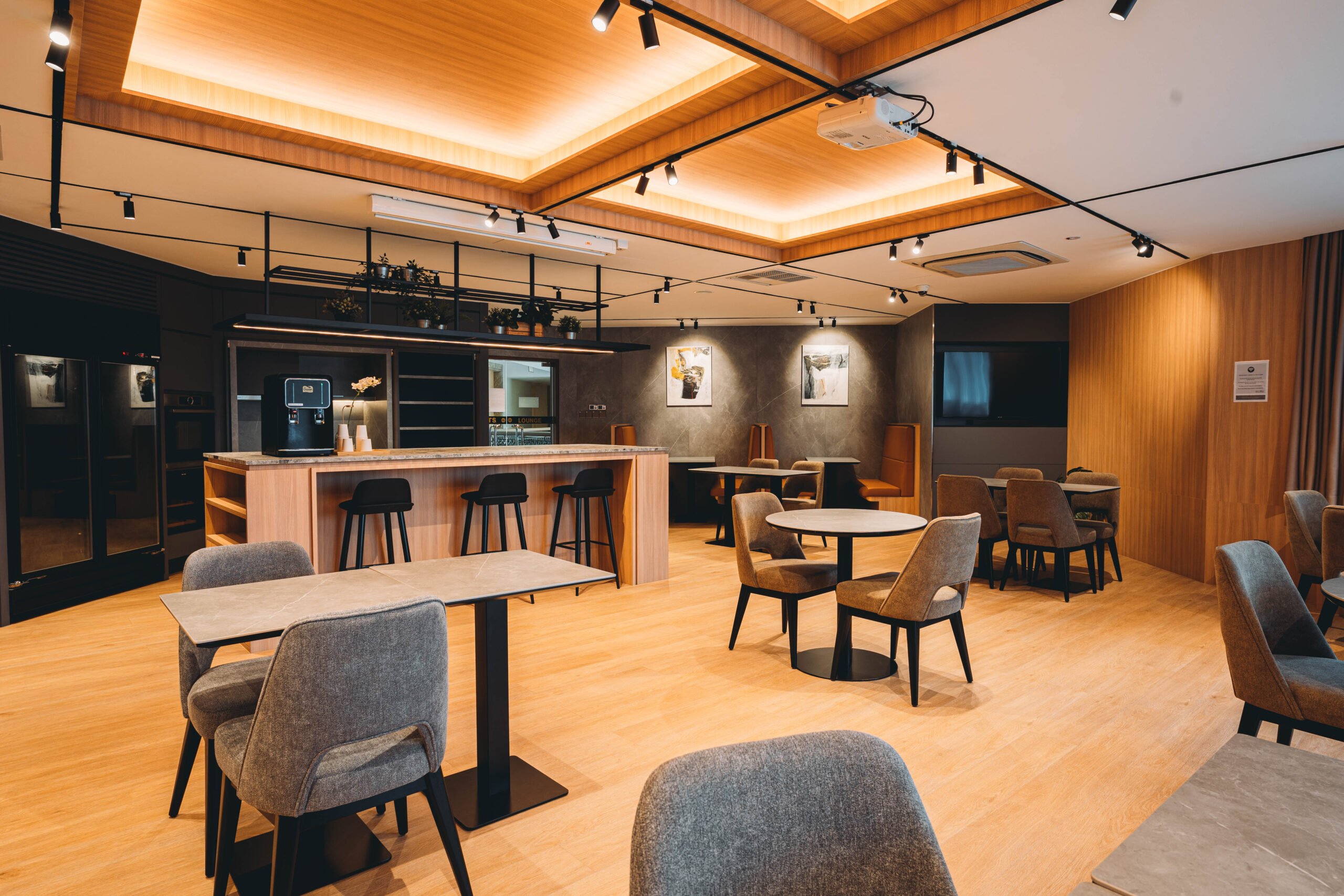 Beyond the physical facilities, developing a social network is essential for those who are not entering a structured office every day. Cher points out that they actively foster a sense of community through resident events and lifestyle activities, which allow expatriate families to connect with neighbours and build social networks. “These shared experiences can be particularly valuable for trailing spouses and children who are adjusting to a new country,” he adds.
Redefining the “home base” for global professionals
From a strategic perspective, the soft-landing model also addresses the need for organisational agility. The modern business environment requires the ability to deploy and redeploy talent rapidly in response to market shifts. Traditional long-term housing often involves complex legal contracts, utility setups, and rigid lease terms that do not align with the fluctuating needs of global projects.
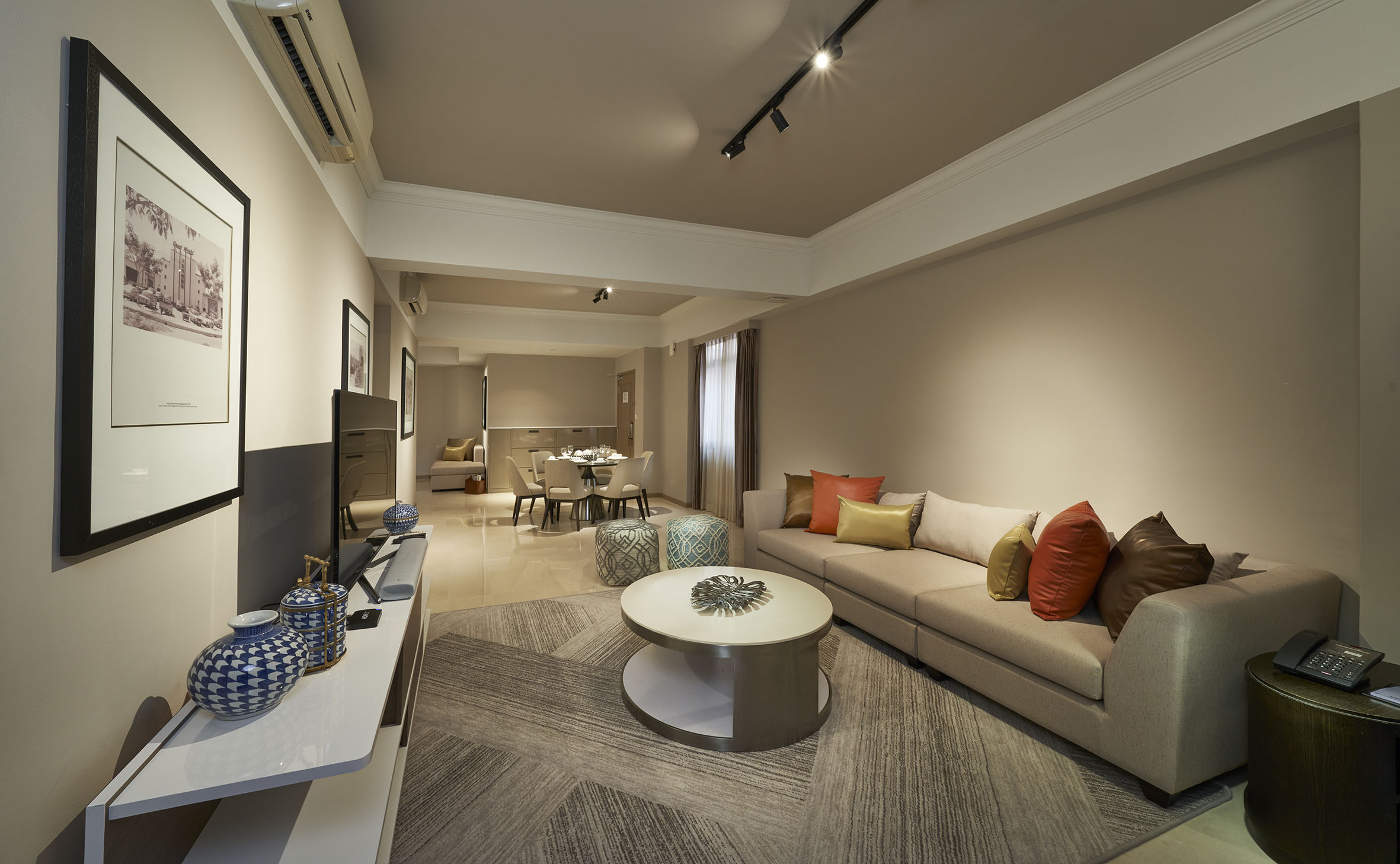
The availability of flexible stay options, ranging from six nights to annual leases, empowers human resources departments to scale talent deployment without the typical administrative hurdles. Cher highlights that today’s international professionals expect a comfortable home base that supports both work and daily life. The integration of spacious one- to four-bedroom apartments with fully equipped kitchens allows residents to maintain familiar routines while abroad.
This sense of normalcy is further supported by the property’s connectivity. Located a short walk from the Great World MRT station on the Thomson-East Coast Line, residents enjoy convenient access to the Central Business District and Orchard Road while returning each day to a quieter residential neighbourhood.
Ultimately, the goal of a strategic mobility programme is to ensure that the transition into a new market is as seamless as possible. By selecting a residential partner that offers an integrated lifestyle environment, organisations can shorten the adjustment curve for international assignees. For the organisation, this translates into reduced new-hire remorse, faster emotional settling-in, and higher productivity during the most critical early stage of an overseas assignment.
In the evolving landscape of work, where talent is the most valuable asset, the environment in which that talent lives is no longer a peripheral concern; it is a fundamental component of the talent management strategy.