
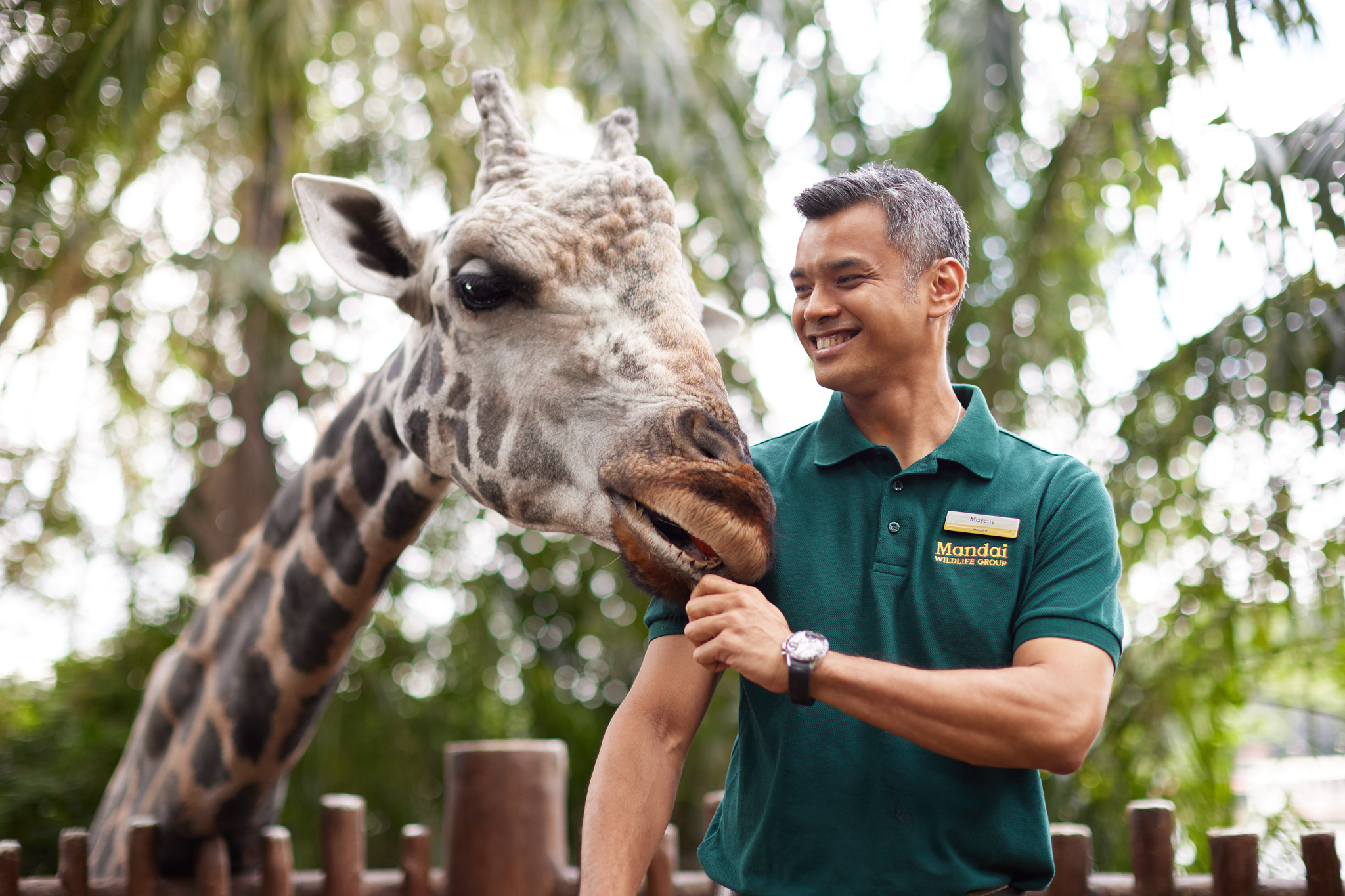
Marcus Heng, Group Chief Human Resources Officer, Mandai Wildlife Group, says employees stay when they can see a clear path for growth – which is why career development at Mandai is built into progression rather than left to chance.
When Raymond Loh joined Jurong Bird Park as a tram captain in 2019, he was leaving behind 15 years of driving container trucks. The job, as he describes it, was straightforward at first: drive the tram, keep guests safe. His previous work proved more relevant than it might have seemed. Trams are long vehicles sharing a road with visitors on foot, and the awareness he had built as a truck driver carried over.
Seven years on, Loh is a Senior Tram Captain at Bird Paradise, coordinating daily tram operations and training new drivers. The shift began after Singapore’s Circuit Breaker, the country’s 2020 pandemic lockdown period, when his manager offered him a tram in-charge role. “I enjoy being a coach and guiding people,” he tells HRM Asia, describing the training responsibility as something he was glad to take on.
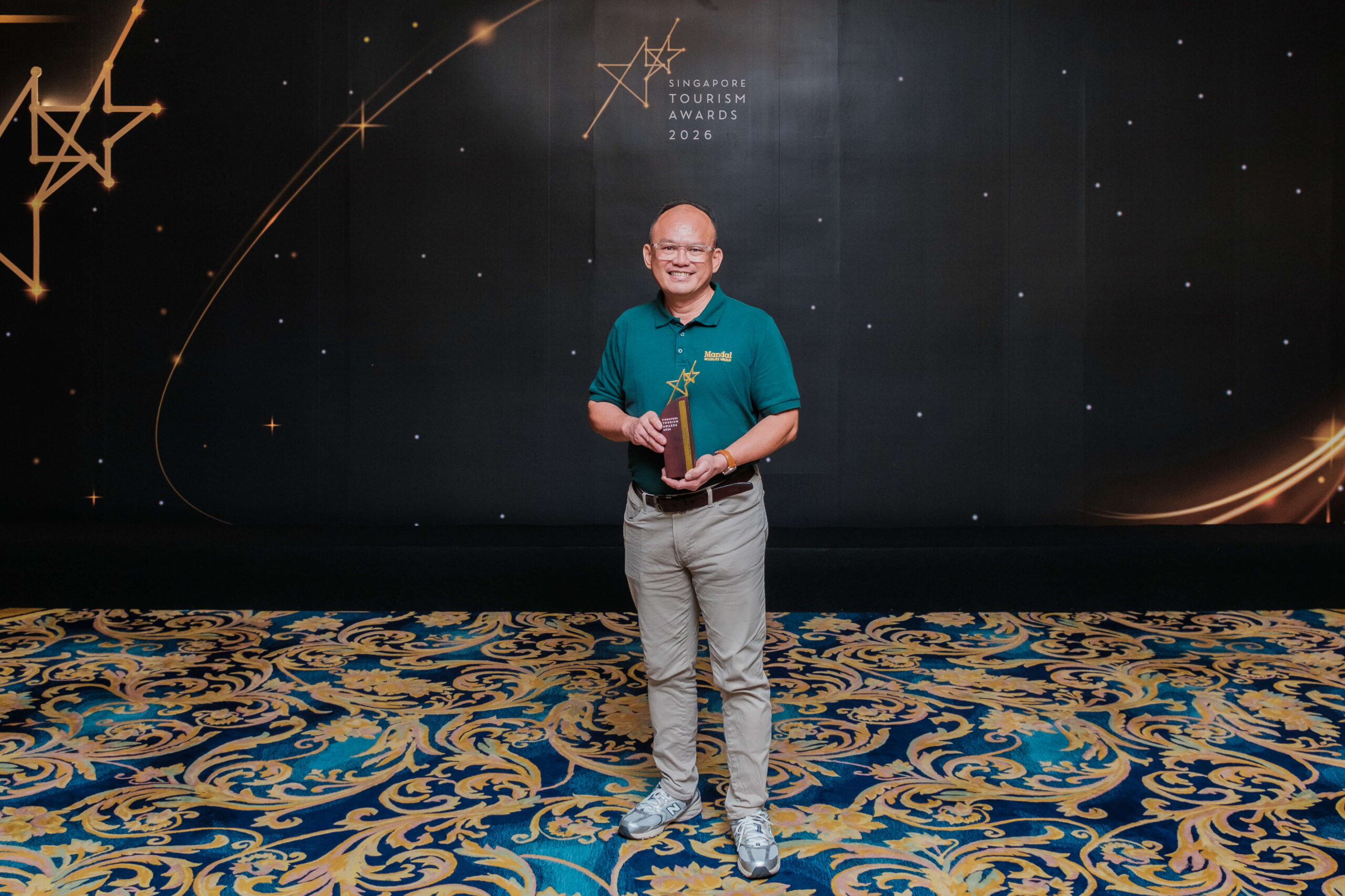
His progression is the kind of outcome Mandai Wildlife Group says it has been deliberately engineering. The organisation, which operates Singapore Zoo, Night Safari, Bird Paradise, Rainforest Wild Adventure and Exploria, has built competency-based pay and structured career pathways into how its employees – internally called Wildlifers – advance. That approach was recognised at the Singapore Tourism Awards 2026, organised by the Singapore Tourism Board, where Mandai Wildlife Group received the Outstanding Employer award for workforce development.
Marcus Heng, Group Chief Human Resources Officer at Mandai Wildlife Group, says the choice was a considered alternative to competing on pay alone. “While competitive salaries are important, what we’ve found is that our Wildlifers stay when they can see a clear path for growth,” he says. In his framing, the intent was to make career development structural rather than incidental.
In animal care, that structure takes the form of the Zookeeper Development Programme and Animal Presentations Development Programme, both organised around progressive competency levels. Employees receive on-the-job coaching and are assessed against defined standards, moving into roles with greater responsibility as they meet them, at a pace set by their own development. Leadership capability development runs alongside it, which Heng says gives frontline employees a route into supervisory and management positions over time. With several parks and functions across one precinct, lateral movement is also available.
What progression looks like beyond the frontline
The same principle extends into Mandai’s specialist functions, where the conventional assumption is that advancement means going deeper rather than broader.
Shangari Sekar joined in 2017 as a veterinary technician, processing clinical samples in a largely laboratory-based role. As the department expanded, her scope widened to include laboratory operations, quality management, biosafety and biosecurity, research projects, regulatory compliance, facility development, and stakeholder management. She now manages the laboratory, combining scientific work with people leadership and operational planning.
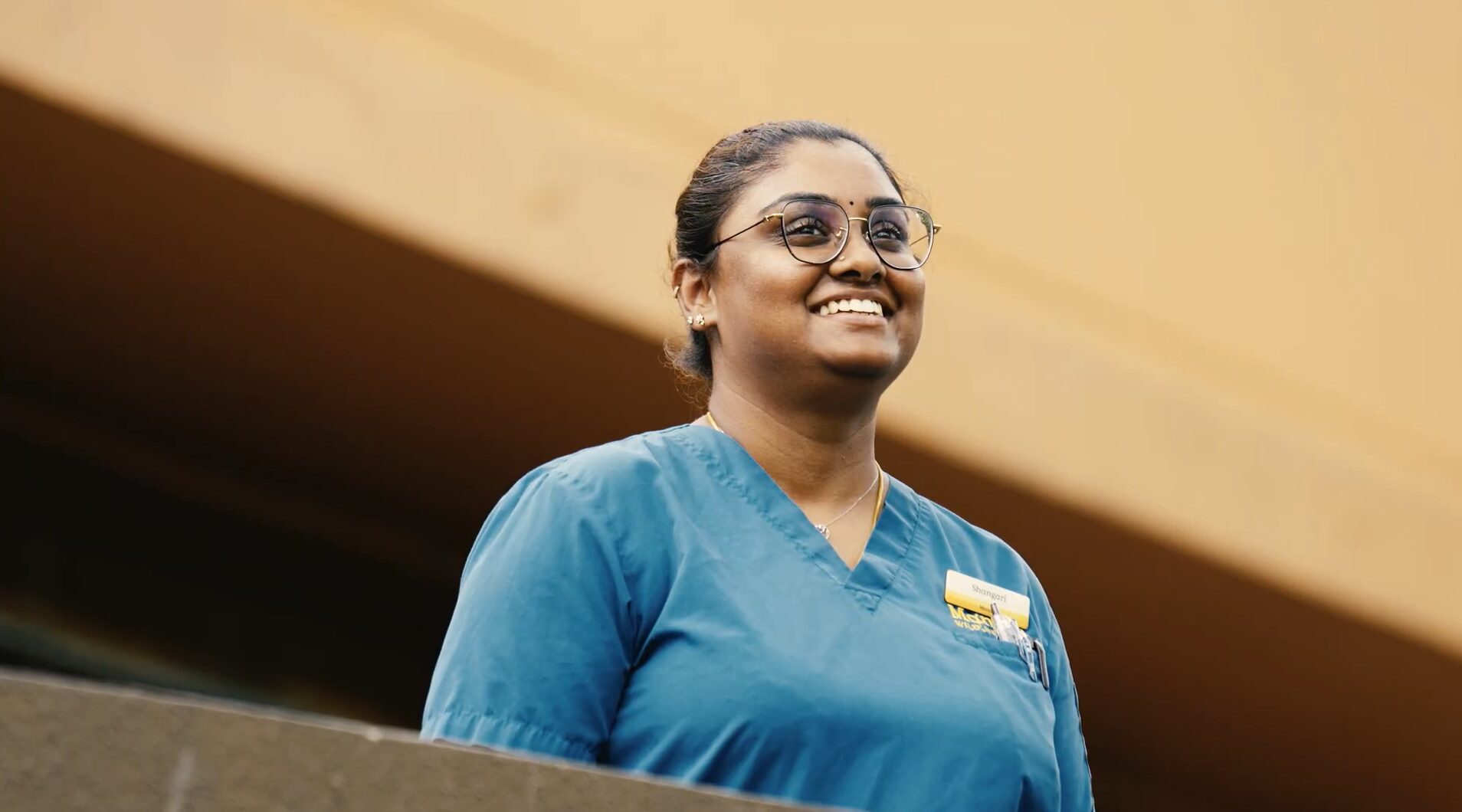
“Career progression in scientific functions is not limited to becoming a subject matter expert,” she says. What proved most valuable, in her account, was exposure outside her own discipline through cross-functional projects, which showed her how functions operate together rather than in isolation. She also credited her supervisor directly, describing someone who pushed her to take ownership of new initiatives and think beyond the department.
For specialists weighing whether an attraction operator can support a scientific career, Sekar’s answer is that the assumption undersells the work. Wildlife care requires veterinarians, laboratory professionals and researchers, and supporting animal health means working closely with vets and animal care teams on sample collection and diagnostic investigation. “You can actually see how science makes a difference,” she says.
The case for investing below the management line
Development spending across most industries concentrates on corporate and management tracks, while frontline and operational employees make up the bulk of the tourism workforce. Heng argues that this split is a false economy.
“If we invest only in certain segments of the workforce, we risk overlooking the people who are closest to our guests and operations,” he says. The difference, in his account, came from converting that belief into structure – building defined pathways for frontline roles instead of leaving growth to informal recognition.
Mandai says the investment has produced results, though it has not publicly put figures to them. Heng describes attrition rates as remaining below industry average and points to a stronger internal talent pipeline as employees deepen expertise or move into different functions.
What the numbers do not capture is visible in how Loh describes his role now. He does not think of himself as only a driver. He talks to guests at the tram station about what not to miss in the park, and asks foreign visitors where they have travelled from, calling these exchanges a perk of the job and encouraging his team to do the same.
He has also taken on something less formal. Younger colleagues sometimes bring him operational suggestions they are too hesitant to raise themselves, and he raises those ideas for them in meetings. One improvement the team proposed – guide marks along the tram route, giving drivers a reference point for turns – came out of the difficulties new trainees faced in learning to handle a long vehicle.
Asked what he would tell younger employees who do not see tourism as a long-term option, Loh points to the people already there. Look at the colleagues across the parks who have been around for years and moved up, he says. That, to him, is the proof.