
Where do senior cyber professionals come from when the junior jobs disappear?
- Josephine Tan

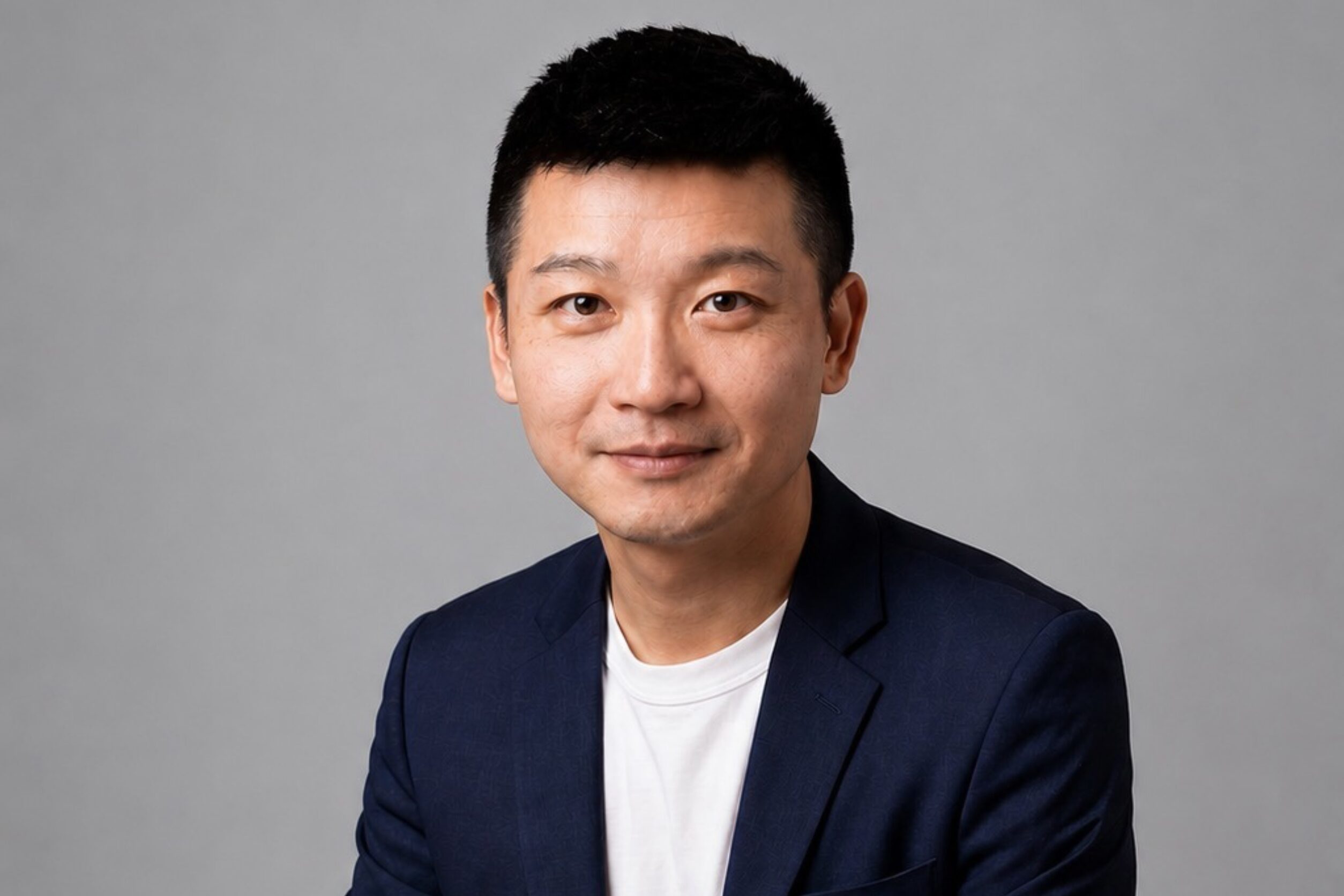
Jess Ng, Country Head for Singapore and Brunei at Fortinet: “Every senior cybersecurity professional began by developing experience through more junior roles.”
Organisations in Singapore lost an average of US$2.3 million to cyber breaches last year, and across Asia-Pacific, 90% of organisations experienced at least one. Neither figure has moved budgets much. Fortinet’s 2026 Global Cybersecurity Skills Gap Report found that while 73% of boards worldwide name cybersecurity a business priority, only 59% back it as a financial one – down from 63% the year before.
For Jess Ng, Country Head for Singapore and Brunei at Fortinet, the disconnect comes down to how the spending gets classified. “Digital and AI investments are associated with growth and productivity, while cybersecurity is still viewed by some organisations as a technology cost,” she tells HRM Asia.
What follows is not usually a visible failure; it is deferral. When funding does not keep pace with risk, Ng says, the work lands on teams that are already stretched, and the things postponed are the ones with no immediate deadline attached: training, patching, threat hunting, incident exercises. Teams absorb the shortfall by concentrating on whatever is most urgent that week. Globally, 56% of respondents identified a lack of cybersecurity skills and trained employees as a cause of the breaches they experienced – the most commonly cited factor for the third year running.
That pressure shows up most sharply in hiring. In Singapore, 94% of organisations say they are willing to fund employee certification, yet 58% struggle to secure approval for additional cybersecurity headcount. Employers, in other words, will pay to develop the people they already have. Adding to the team is a different conversation, and one that 87% of organisations globally expect to be having: that is, the share planning to grow their cybersecurity teams over the next 12 months.
Ng’s prescription is not more spending in isolation. “Technology consolidation and AI can reduce repetitive work, but they cannot replace appropriate investment in skilled people, clear processes and preparedness,” she says. Boards, on her account, need to treat cybersecurity as a question of business resilience.
Where the next senior professionals come from
There is a second problem forming beneath the first, and it has no precedent to draw on. Employers across Asia-Pacific consistently report that senior-level skills are what they need most – 51% globally say so, compared with 32% for mid-level roles and 13% for entry-level – while AI takes over an increasing share of the routine work once done by junior analysts.
Ng’s response was direct: “Every senior cybersecurity professional began by developing experience through more junior roles.”
Her argument is that AI has to accelerate that progression instead of hollowing it out. Freed from repetitive tasks, junior analysts can spend their time assessing recommendations, identifying missing evidence and working out what a security decision means for the organisation. But the route has to be built deliberately. Mentoring, rotational assignments, certification and exposure to real investigations all matter, and so does something less often accounted for: senior professionals need enough capacity in their own workload to coach anyone at all. Training investment, Ng says, should be tied to a workforce plan that shows how today’s junior professionals become tomorrow’s senior talent.
Certification is doing much of the sorting in the meantime. Globally, 91% of IT decision-makers handle it. Some 72% of organisations in Asia-Pacific expect a greater need for AI oversight and governance roles over the next three years, the highest of any region. Ng expects the response to be split: larger organisations will create specialist positions, while others will fold the responsibility into existing security, risk, legal, HR and technology teams.
READ MORE: When AI recommends, who stays accountable?
Where she was firmest was on who carries the risk. “AI governance cannot be left to cybersecurity alone,” she says. The business function adopting an AI application remains accountable for how it is used, with security, legal, privacy and technology providing the controls around it. That means naming, in advance, who approves each use case, who monitors it, and who has the authority to stop it if the risk becomes unacceptable.
The urgency is clearer when set alongside another finding: only 56% of respondents in Singapore believe their boards fully understand the risks associated with employees using AI. Globally, half of respondents say that board members or executives have already faced fines, lost their positions, or been jailed following a cyberattack. “Accountability must remain with people, even when decisions are supported by AI,” Ng says.
The retention lever that isn’t pay
For HR teams, the retention data may be the most immediately useful part of the report. Lack of training and upskilling opportunities was cited as a retention challenge by 48% of respondents, ahead of the 40% who cited better salaries elsewhere. Career growth, on those figures, competes directly with compensation – and 52% of organisations globally say they struggle to retain cybersecurity employees.
Organisations making progress treat training as part of career development rather than a compliance exercise completed once a year, combining practical experience, mentoring, and recognised certifications with a visible path to greater responsibility. They are also changing what they train for. Cybersecurity professionals now need to understand security automation, AI oversight and how to validate what an AI ecosystem produces, not simply how to operate another tool.
The last piece is the pipeline itself, where intent and outcome have not yet met. Organisations in Asia-Pacific report the highest rate of formal diversity hiring targets of any region at 81%, but the composition of IT and cybersecurity teams has barely shifted – women remain 26% of those employees – and the share of organisations reporting difficulty finding qualified women candidates jumped from 20% to 31% in a single year.
In Singapore, 92% of organisations use internships, apprenticeships or partnerships to reach people from underutilised groups. Fortinet works with the Institute of Technical Education, Nanyang Polytechnic, Temasek Polytechnic and NTUC LearningHub, the training arm of Singapore’s labour movement, on that front. The purpose, Ng says, is “to create visible pathways into cybersecurity and give people a clear reason to build their careers in the industry.”