
Technically strong, globally stalled: The communication gap in cross-border teams
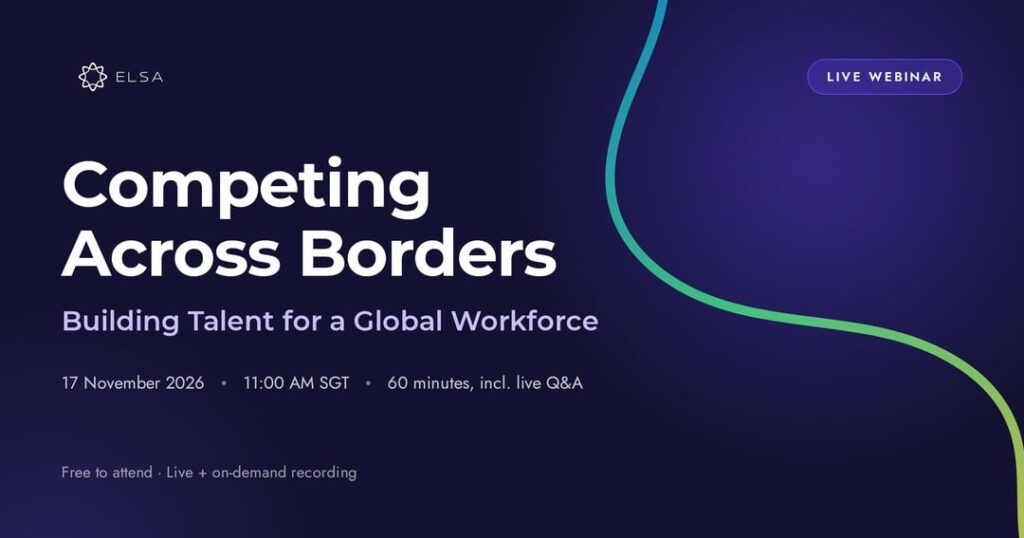
Strong technical skills are not always enough when talent has to perform across markets. Speakers from Pearson, ELSA and regional HR teams will unpack the issue at a webinar on 17 November.
Experiment first, strategy later: How AI is entering the workplace

Three waves of University of Konstanz research show AI use at work rising slowly and often arriving without the employer’s involvement. Study head Florian Kunze explains why the divides are widening as it spreads.
How CHAGEE rebuilt a tea store to run on sight instead of sound

When CHAGEE opened Singapore’s first Signing Store, staffed by deaf and hard-of-hearing baristas, it arrived as a milestone in workplace inclusion. More than a year on, chief executive Lawrence Wen and barista Victor Teo suggest its success is better measured by how ordinary it has come to feel.
CHRO Singapore 2026: Time saved, skills at risk, trust on the line

From productivity gains to disappearing entry-level work and the gap between what leaders and employees sees, the conversation at CHRO Series Singapore 2026 kept returning to what AI changes for people.
The new AI skills gap isn’t technical. It’s human
As AI accelerates work, organisations must strengthen employees’ critical thinking, communication, and judgement so faster outputs translate into better decisions.
Malaysia’s Budget 2027 lifts minimum wage to RM2,000, sets RM2,500 floor for graduates

Budget 2027 also raises the pay floor for semi-skilled workers and graduates, introduces new tax rules on wage payments, and allocates RM8 billion to vocational and technical training.
A new way to measure digital wellbeing, and a warning about measuring it alone

New research shifts the digital wellbeing question from how much technology employees use to how they use it – while cautioning that training alone leaves the demands untouched.
Every problem they solved had a precedent. That is the warning sign
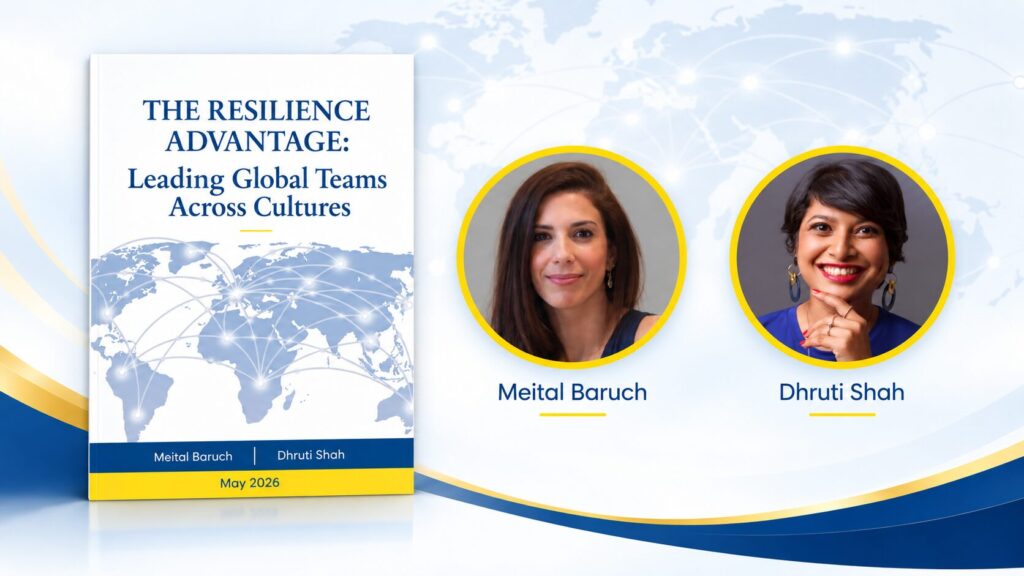
The second part of our look at the research on resilience across cultures turns to what organisations can build – starting with the uncomfortable possibility that stability itself gets in the way.
Mental health at work: When well-meaning caution narrows a career
Employers have expanded mental wellness provisions considerably. Andrea Chan of TOUCH Community Services explains why the harder test comes after an employee speaks up.
Most employees in Singapore now use AI at work, but fewer than four in 10 have been trained in it
AI is now part of the working week for most employees in Singapore, but employers say nearly half of their workforce is still using it only for general tasks.
AI risk debate: Steve Boese on what HR leaders can act on while consensus is missing
The global argument over AI’s risks is being fought at full volume, yet the decisions HR faces are more immediate. From readiness to governance, the H3 HR Advisors co-founder outlines where the function’s attention belongs.
Overqualification can strain family life, or free it up
Being overqualified leaves some employees anxious and drained at home, and gives others more time for family. What sets them apart is which of the two they value more.
Why redesigning a job takes more than the equipment that prompted it
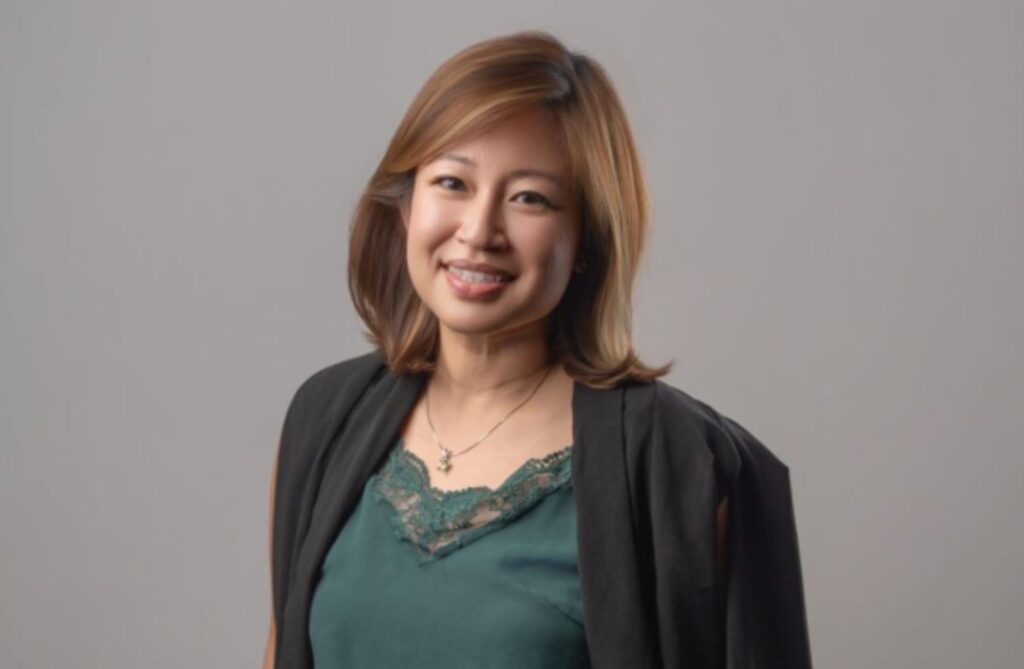
With Singapore’s workforce no longer growing and a larger foreign workforce off the table, facilities management is reshaping its frontline roles. ICFM’s Lynn Lim on multi-skilled teams, an ageing workforce, and why a robot on its own changes nothing.
Full training attendance, clean audit, and still exposed
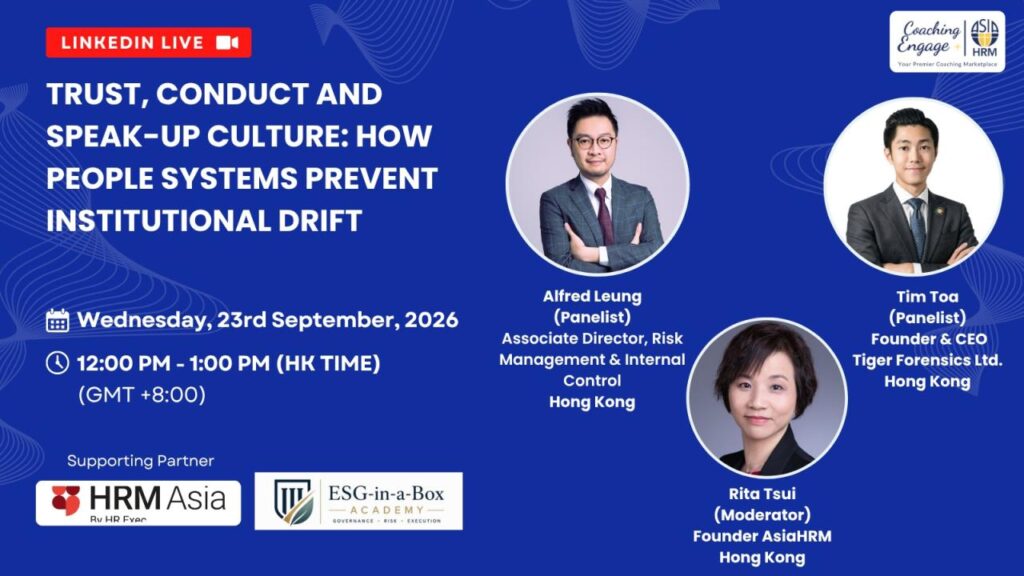
Most organisations have the policies. Speakers at AsiaHRM’s latest LinkedIn Live session discussed what happens when nobody checks that those policies are followed, and when people who raise concerns go unheard.
Your untouchable leaders are costing more than you think
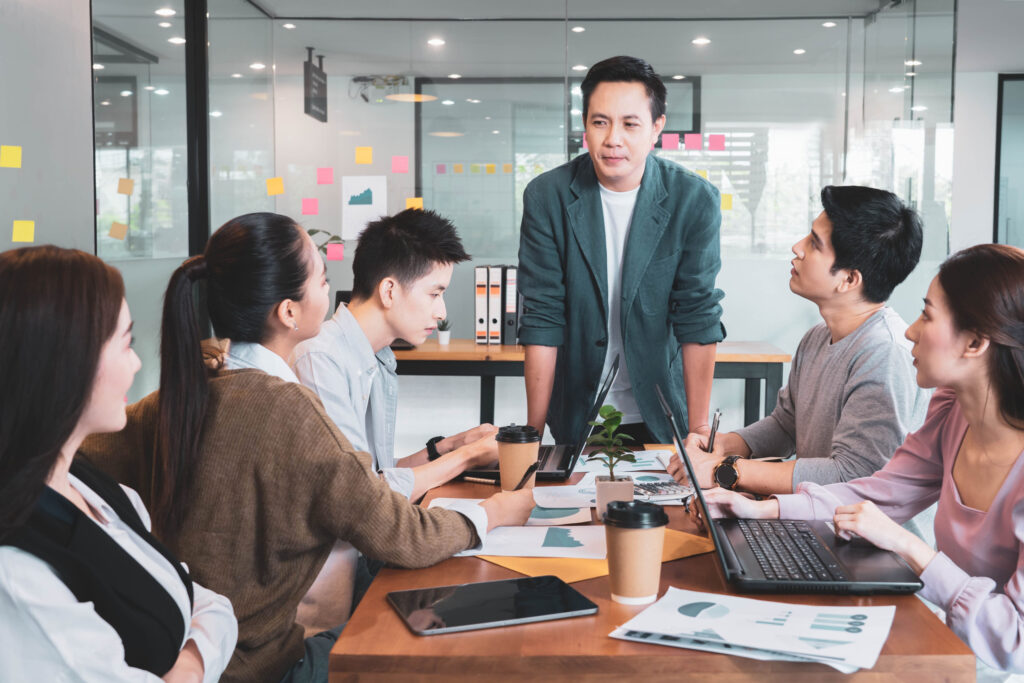
Whether the leader is intimidating or micromanaging, it is time to get them to look in the mirror.
Capability is harder to recognise when it arrives in an unfamiliar shape
New research on resilience across cultures finds that organisations tend to recognise the version of it they already know how to read – with consequences that run through performance reviews, succession and the problems that never get escalated.
The design was the easy part: UOB’s Dean Tong on making workforce change stick
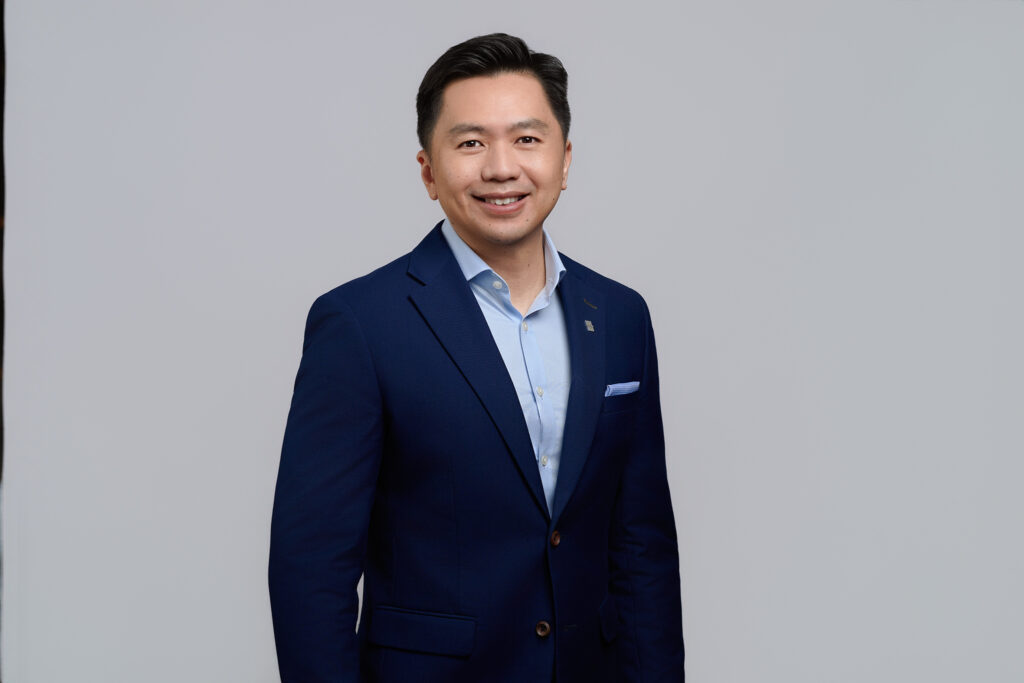
UOB’s Head of Group Human Resources on productivity that lasts, reskilling that turns into real mobility, and how judgement gets built once routine work is automated.
Taiwan’s minimum wage to cross NT$30,000 as AI boom lifts growth
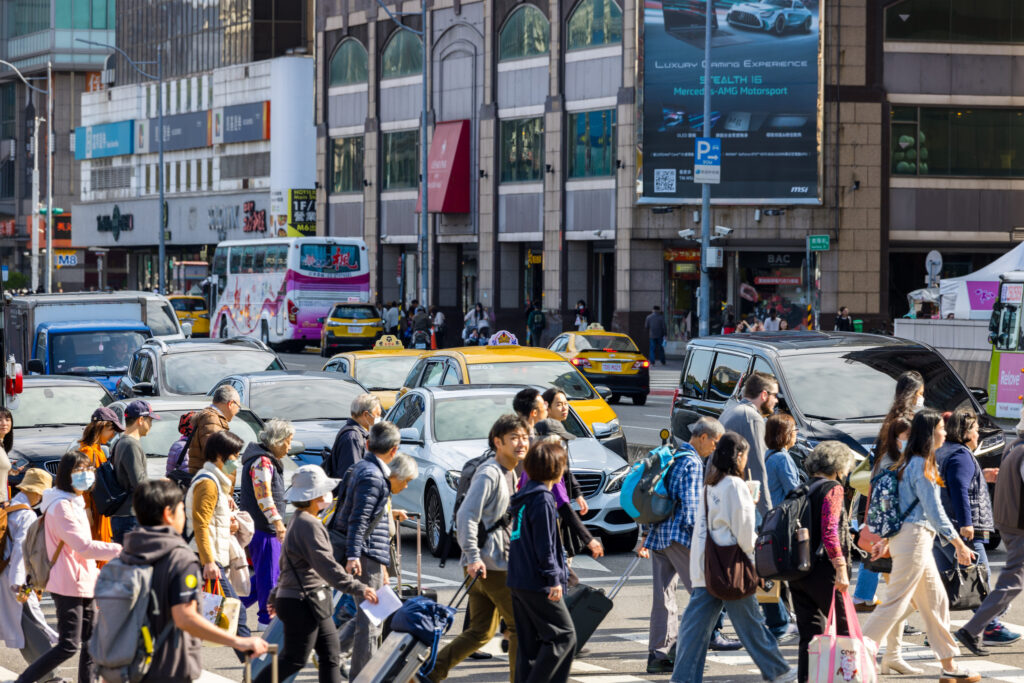
Labour and employer representatives agreed on a 4.745% increase after differing on how the gains of AI-led growth should be shared.
Voting opens for HRM Asia Reader’s Choice Awards 2026
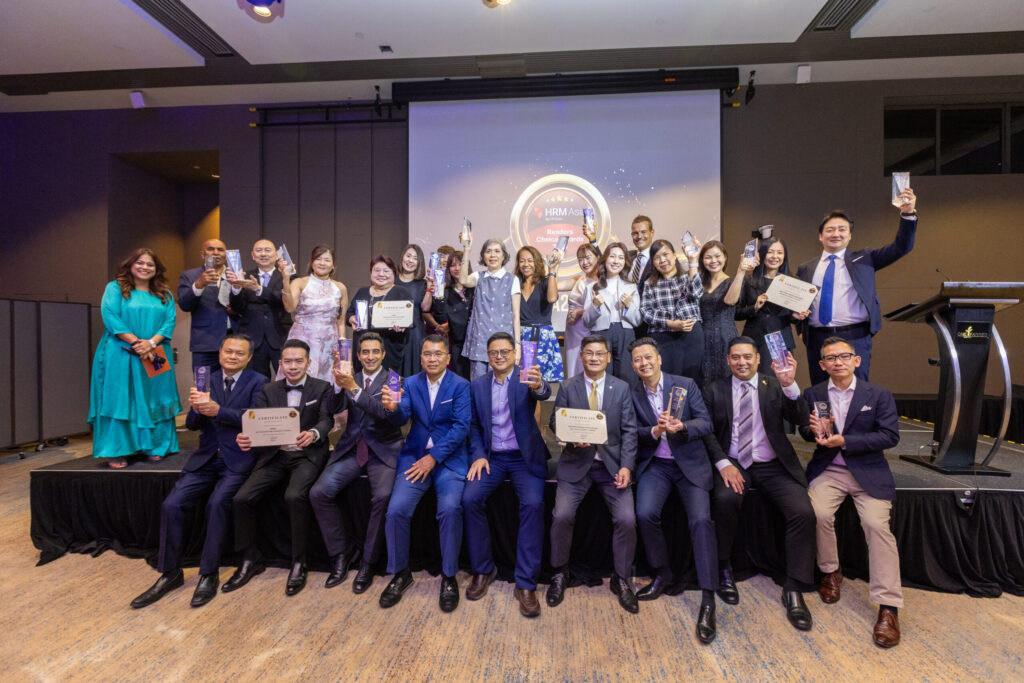
HR professionals across Asia have until 7 October to back the solutions and service providers they rate, with reader votes deciding 70% of each result.
Your frontline workers see problems before you do
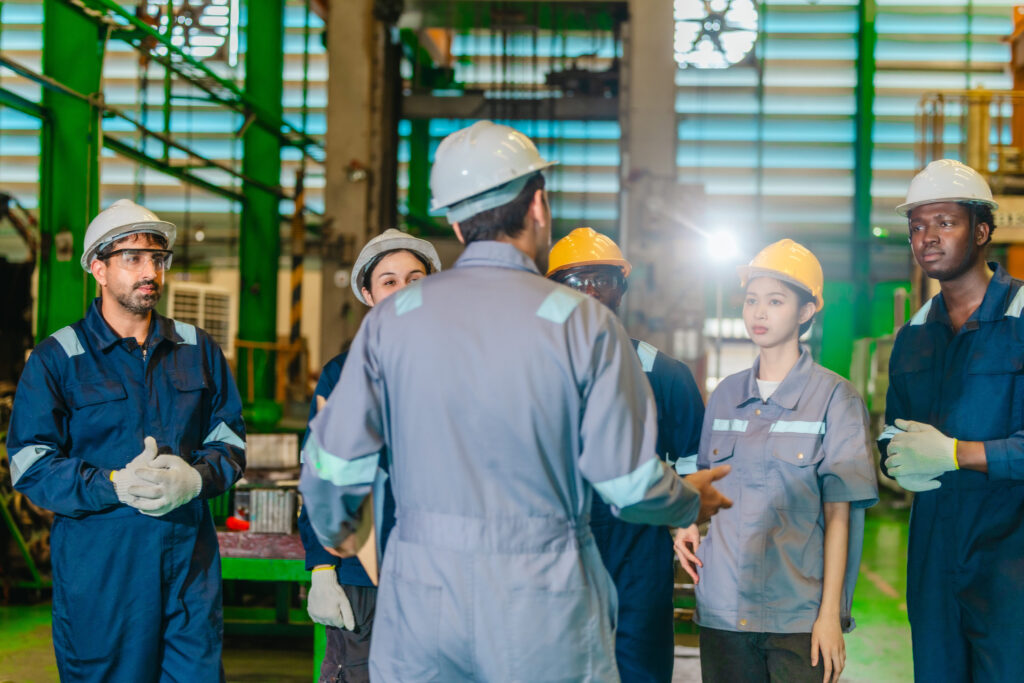
The employees closest to your customers can see what leadership cannot. The CHROs who build systems to hear them and act on their feedback build the most resilient organisations.
Hong Kong’s manpower gap narrows, but AI squeezes entry-level and clerical roles
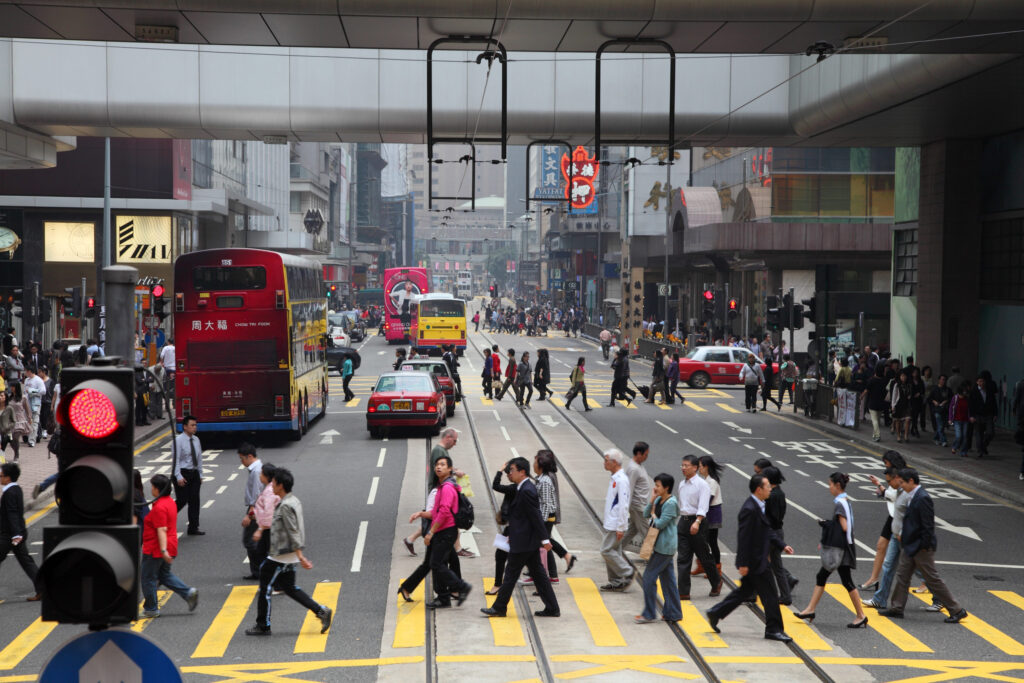
A government update credits talent and labour admission schemes with easing the city’s shortage, even as key industries stay tight and entry-level vacancies fall sharply.
Singapore to require certified HR professionals at firms with more than 200 staff from 2028
A new certification requirement aims to double Singapore’s pool of certified HR professionals to around 18,000 by 2030.
Own data, not benchmarks: What holds up in a board conversation on wellbeing

Employers overwhelmingly say workplace wellbeing matters. AIA Singapore’s Kenneth Tan tells HRM Asia why that agreement rarely survives contact with a board, and what evidence does.
Australia’s AI job impact still hard to find, Treasury report finds

Australia’s 40-year economic outlook finds AI adoption inside businesses still shallow, with no broad effects on jobs yet, but it expects many roles to be redesigned.
A generation is arriving fluent in AI. Nobody has worked out how to train them

Students in Singapore are entering work more fluent in AI than the organisations hiring them. OpenAI’s Raghav Gupta on productive struggle, the apprenticeship, and what comfort with these tools does not tell you about a person.
AI is creating capacity. Where it goes decides the value
Ahead of CHRO Series Indonesia 2026, Novo Indonesia’s Adhika Widya Sena on the move from implementing HR technology to shaping the human operating model around it.
Women’s share of new senior hires has fallen every year since 2022, WEF report finds
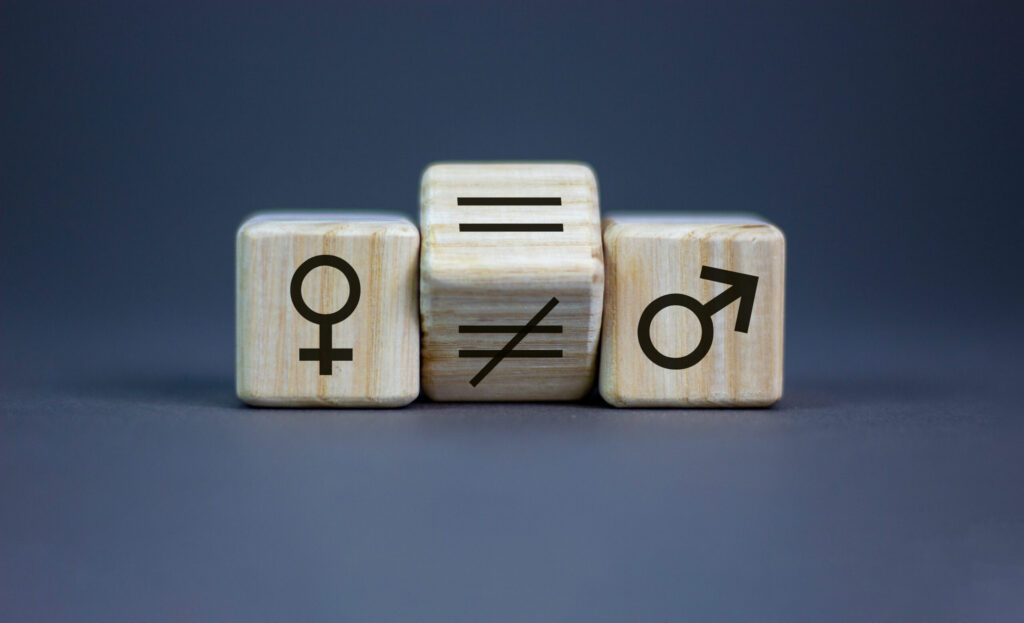
The World Economic Forum’s 20th Global Gender Gap Report shows a shrinking pipeline of women into senior roles, and a C-suite where women lead HR but rarely technology.
Singapore makes one in 10 of the world’s chips. Talent depth is another question
Waiting for a specialised role to fall vacant before developing the skills to fill it no longer works, says Lam Research’s Andrew Goh. The South-East Asia head on hiring for technologies that outpace their own qualifications.
Indonesia sets out four principles for human-centred AI adoption at work
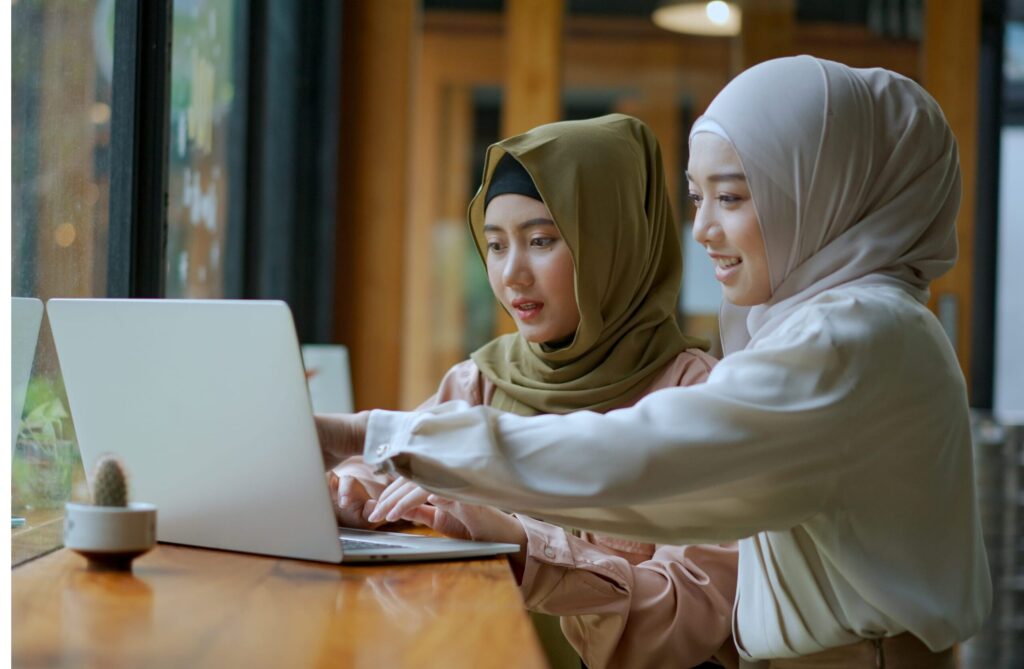
Workflow redesign and upskilling, not AI tools alone, drive the biggest productivity gains, according to Indonesia’s Manpower Minister, as the ministry prepares a workplace guide and pilot projects.
From decision to direction: Where good strategies lose their way
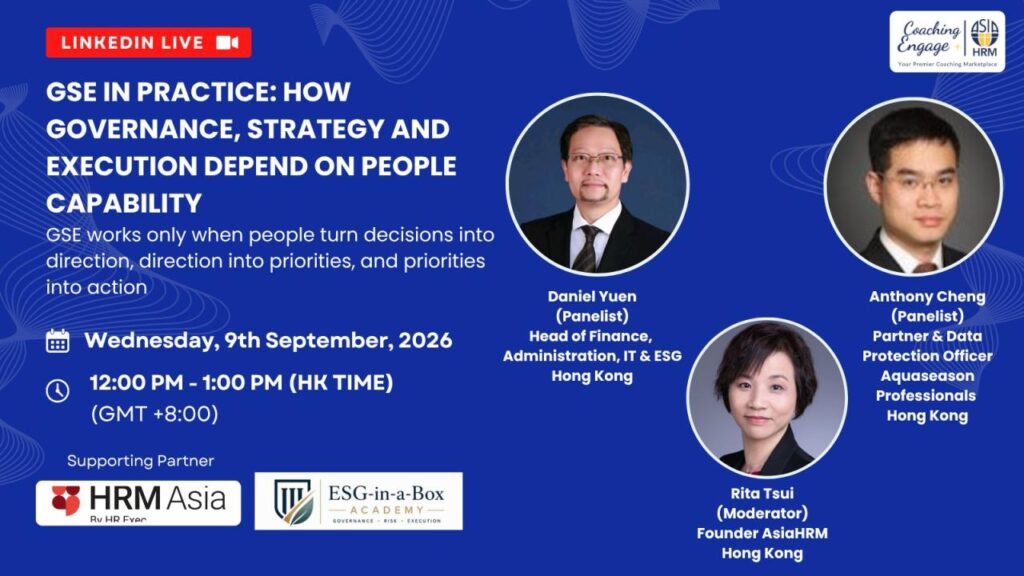
Having good people is not the same as having an organisation that can act on its decisions, speakers argued in AsiaHRM’s Governance Series.