
When success turns hollow: Why HR must pay attention to leaders’ internal alignment
- Josephine Tan

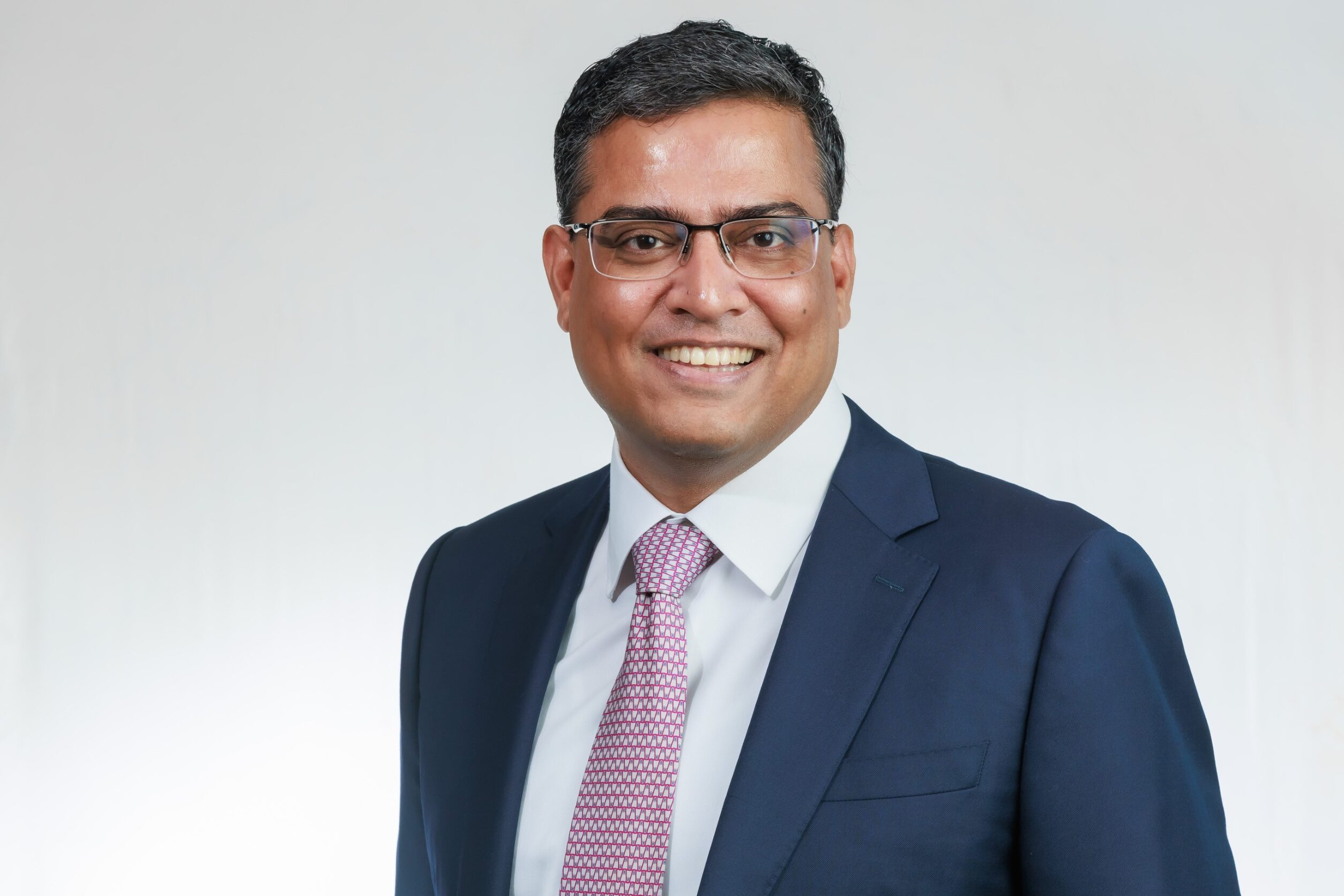
For years, workplace wellbeing conversations have centred on external interventions—mental health policies, wellness programmes, resilience workshops, and employee support frameworks. But according to life strategist and transformative coach Nancy Ho, organisations may be overlooking a more difficult issue: the internal state of the leaders expected to hold everything together.
That blind spot matters at a time when stress and burnout continue to weigh heavily on Singapore’s workforce. In September 2025, data cited in parliament showed that about one in three employees in Singapore reported experiencing work-related stress or burnout. Yet while organisations are investing heavily in employee wellbeing, Ho believe many fail to recognise how leadership psychology quietly shapes culture, trust, and organisational resilience.
“The shift has moved from stress management to something far deeper—identity and meaningful,” she tells HRM Asia. “Leaders are no longer coming in saying, ‘I’m overwhelmed.’ They’re saying, ‘Everything is working…but something feels off.’”
According to Ho, this reflects a broader transformation in leadership pressures across Singapore and Asia. Previously, leadership challenges were often external: targets, workloads, and operational demands. Today, however, leaders are grappling with internal questions around clarity, alignment, and identity amid constant disruption, AI-driven transformation, and rapidly evolving expectations.
As a result, technical capability alone is no longer enough.
“What stabilises leadership today is no skill,” Ho explains. “It is internal state.”
She argues that a leader’s internal condition increasingly determines how effectively they navigate ambiguity, regulate pressure, and make decisions during uncertainty. When that internal state becomes unstable, even highly competent leaders can unintentionally create instability throughout the organisation.
That concern becomes especially relevant in high-performance cultures like Singapore, where resilience is often celebrated as a marker of leadership strength. Ho, however, warns that resilience can also become a mask.
“The moment resilience becomes a liability is when performance remains high, output is consistent, but internal connection is gone,” she says.
Ho distinguishes this condition from traditional burnout, referring to it instead as “hollow success.” Unlike burnout—which often manifests visibly through exhaustion or withdrawal—hollow success is harder to detect. Leaders continue delivering results, remain outwardly professional, and may still be viewed as high performers. Internally, however, they feel disconnected from meaning and operate more from obligation than conviction.
That disconnect can create significant risks for organisations because nothing appears obviously wrong on paper.
“What HR should look for are no KPI drops, but subtle behavioural shifts,” Ho says.
Among the warning signs she highlighted are leaders becoming less present in conversations despite being physically engaged, more mechanical or risk-averse in decision-making, and showing reduced initiative or creative thinking. Over time, professionalism can conceal a quiet form of disengagement.
The implications, Ho argues, extend well beyond the individual leader. “A leader’s internal state is never private,” she says. “It is felt by the team—whether it is spoken or not.”
When leaders become internally misaligned, teams often sense that something is “off,” even if they cannot articulate it directly. Conversations may become efficient but emotionally distant. Psychological safety gradually weakens as employees become more cautious, withhold ideas, or disengage from open communication.
“The leader may say the right things, but the energy behind it is inconsistent,” Ho explains. “People trust consistency, not words.”
Over time, this emotional undercurrent can quietly erode collaboration and innovation. Teams become more filtered in communication, less willing to take risks, and increasingly disconnected from the organisation’s broader purpose.
Ho believes these issues are especially important as organisations race to build AI-ready workforces. While organisations continue to invest heavily in digital skills and upskilling initiatives, she warns that leadership disconnection may pose a greater long-term risk than capability gaps.
“The real risk is not capability,” she says. “It is disconnection at the leadership level.”
READ MORE: The new rules of high performers: Skills, trust, and the end of the linear career
According to Ho, the effects of hollow success often surface in areas that organisations misread or underestimate. Succession planning may weaken because technically strong leaders lack the conviction, clarity, or emotional depth needed to guide teams through uncertainty. Senior-level attrition may appear to be ordinary career movement, when in reality, leaders are leaving because their success no longer feels meaningful.
Even leaders who remain in their roles may operate with diminished creativity, influence, and strategic vision. “This is costly because it does not show up immediately,” Ho says. “It shows up over time—in slower decision-making, reduced innovation, and missed strategic opportunities.”
She argues that many boards continue measuring leadership primarily through performance metrics, while overlooking what she calls “leadership vitality”—a factor she believes is becoming increasingly critical to long-term organisational health.
For HR leaders and the C-suite, Ho believes the solution is not simply to add another wellbeing initiative or leadership KPI. Instead, she advocates shifting how organisations evaluate executive performance altogether. “Move from evaluating performance alone to evaluating the quality of the leader behind the performance,” she says.
In practice, that means creating more intentional spaces for reflection and honest conversation, rather than focusing exclusively on outputs and efficiency. Organisations should pay closer attention to clarity, alignment, and emotional steadiness within leadership teams—not only because it benefits individuals, but because it shapes the culture experienced by everyone beneath them.
If there is one question Ho believes HR leaders should begin asking senior talent, it is this: “Is the way you are succeeding right now still aligned with who you are becoming?” Because, as she put it, the greatest organisational risk may not be leaders who fail openly, but leaders who continue succeeding in ways that no longer feel true.