
More robots, more human skills? Resorts World Sentosa puts the idea to the test
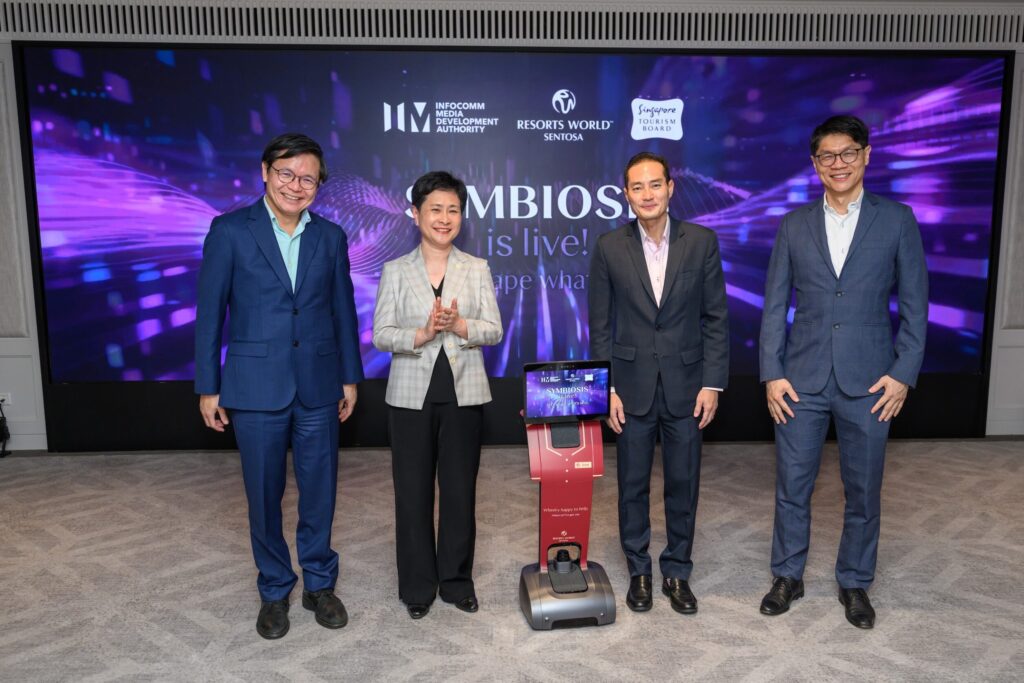
As Resorts World Sentosa brings robots and AI into its daily operations, a new living lab is also asking what its 8,000-strong workforce will need to be good at next.
Beyond the first hire: What makes inclusive hiring last in Singapore workplaces
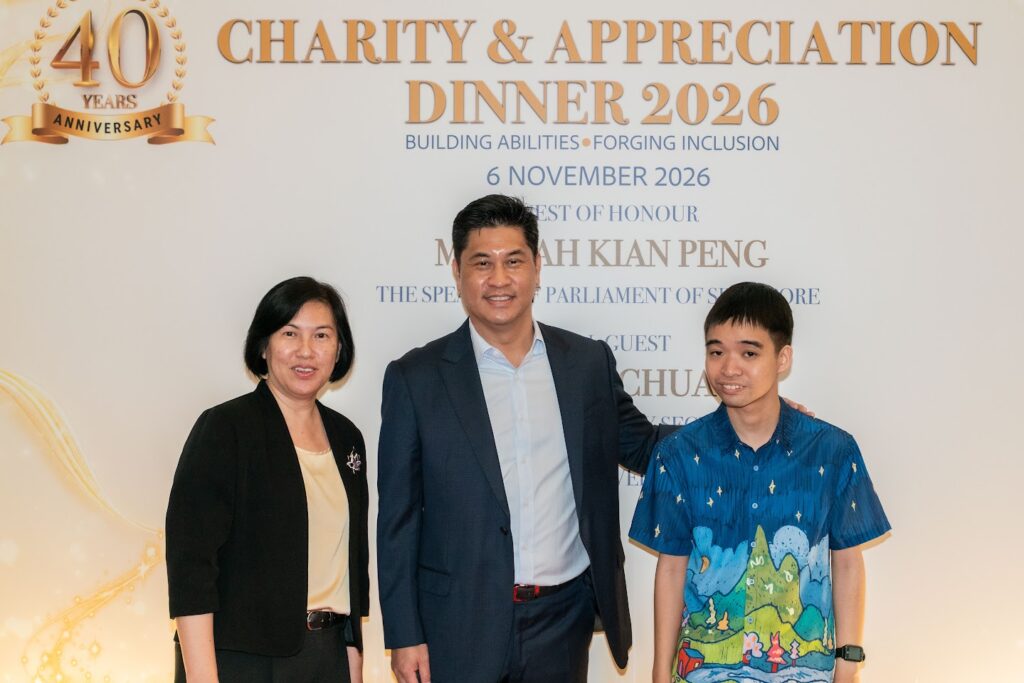
Employers in Singapore are increasingly open to hiring persons with disabilities, but keeping a placement long-term takes more than a job offer. Bizlink Centre and Loft Logistics share how training, job coaching and supervisor support helped one warehouse hire find his footing.
CHRO Philippines 2027 to put AI, wages and productivity on the HR agenda

Revenue in the Philippines’ IT-BPM sector is forecast to grow much faster than hiring, and HR leaders are being asked to get more out of the workforce they already have.
AI is freeing up time at work. The harder question is what it is for
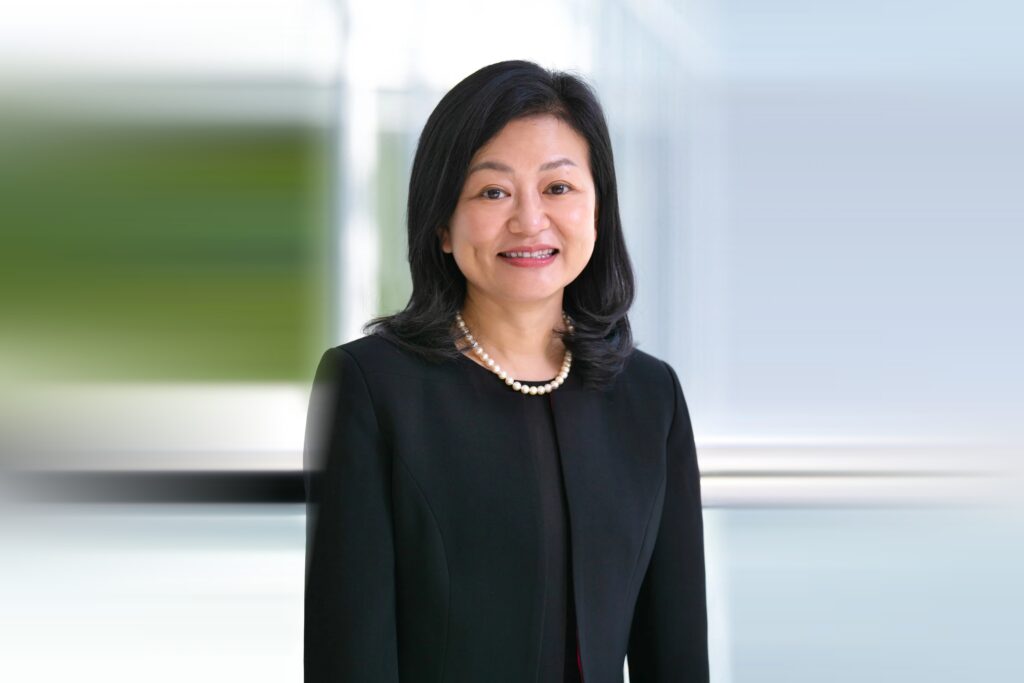
As AI takes on more routine work, the time it saves can go to more output or to deeper expertise. Arup’s Jenny Pong on why that choice should not be left to chance.
AI’s impact on hiring, decisions and culture: What’s left unspoken
The interview process changed, decisions were moved into a prompt, and the agreement with employees was rewritten. Here is what nobody is saying and what to do about it.
Not on the payroll, still on the road: Lalamove on duty of care beyond the law
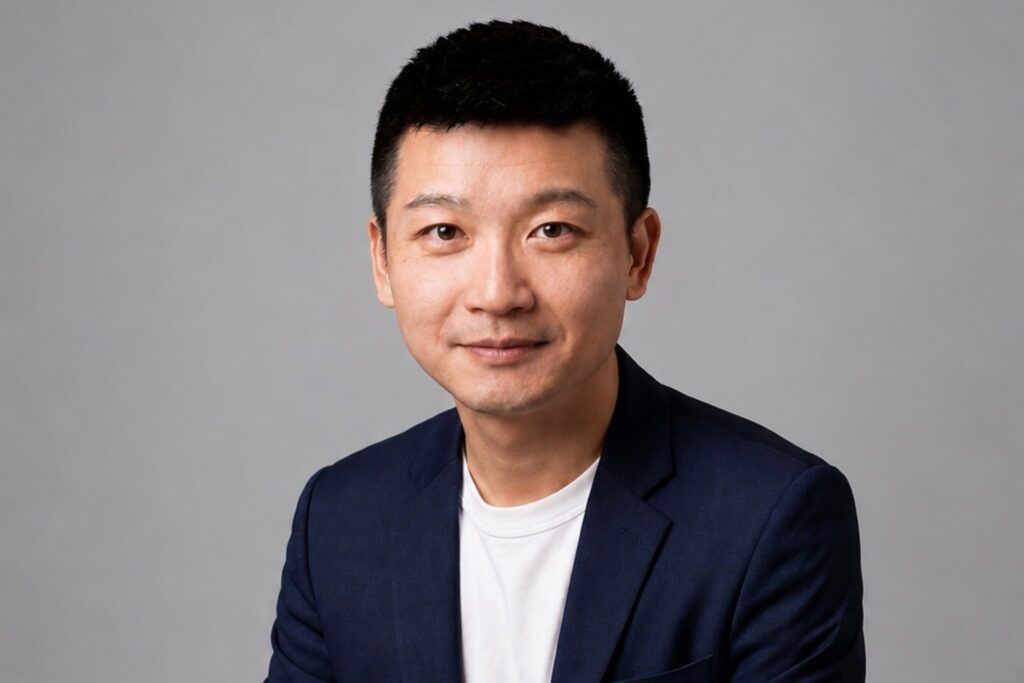
Singapore’s platform workers now have a legal baseline of protections. Alex Lin, Managing Director of Lalamove Singapore, on what a platform owes beyond it, and what employers relying on contractors can take from the sector.
Menopause at work: Retention does not mean women are supported
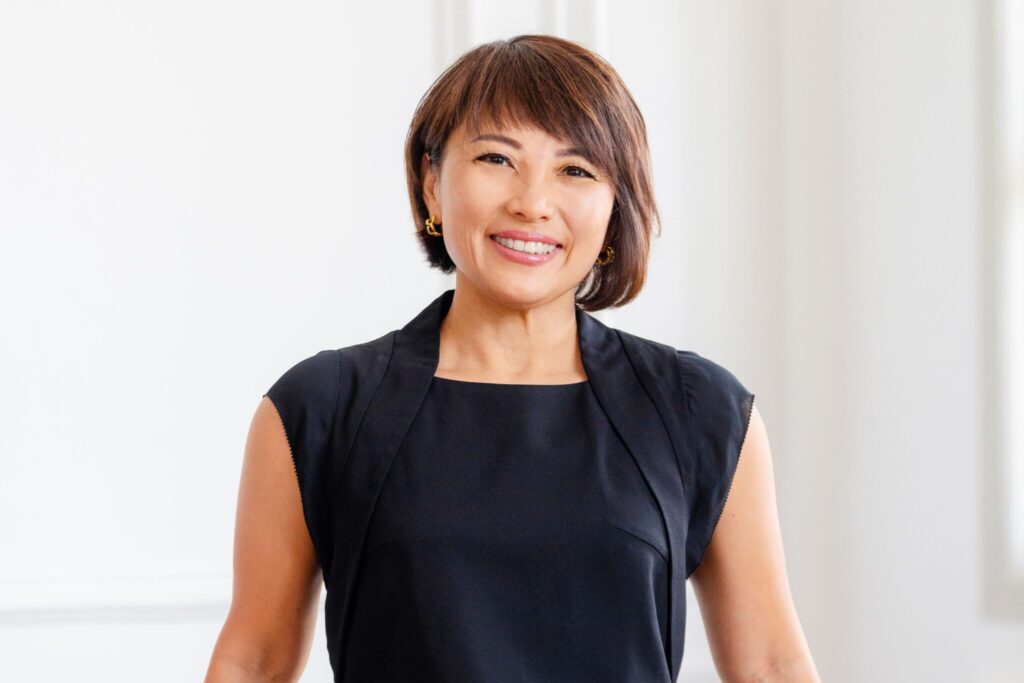
A study of working women in Japan links menopause’s psychological symptoms, more than its physical ones, to thoughts of quitting. HeyVenus’ Christina Ang on what that asks of employers, and where their role stops.
A decade ago, hospitality was a stopgap. The industry had other plans
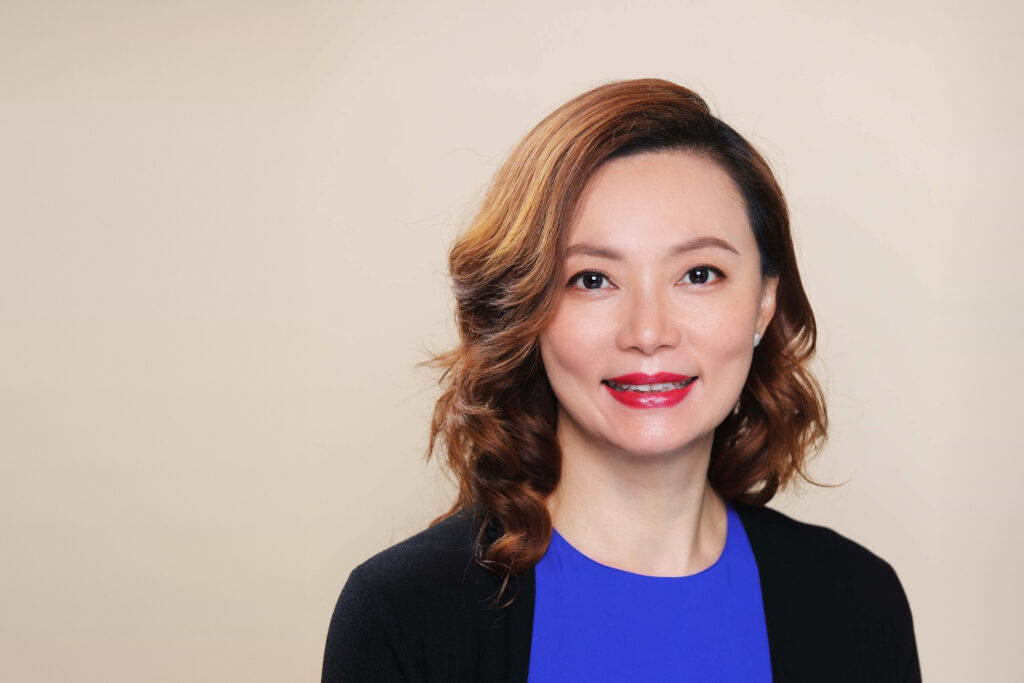
Hilton’s Patsy Ng on how hospitality careers in Asia-Pacific have changed, what flexibility means in a business that never closes, and why internal mobility is not a programme.
Promoted for results, left to figure out the rest
In the second of two pieces, Gwen Lockington, Founder and Principal of Lockington People and Advisory, explains why management capability remains a persistent gap, and what flatter structures and AI now ask of the managers who remain.
2027 predictions: HR leaders on the future of work

HR Executive of the Year Monique Herena and Leader of Distinction Nirit Peled-Muntz share their forecasts for HR in 2027.
Employers in Australia face “AI washing” scrutiny as job cuts head offshore

Unions and academics are asking whether AI is really driving recent job cuts at Qantas and other organisations in Australia, or whether cheaper offshore labour is.
AI has not changed what good work is at Agoda. It has changed how people learn it
The efficiency gains are easy to count. Agoda’s Paolo Inga on what AI quietly removes from a workforce, and why putting it back has to deliberate.
From low cost to smart choice: How AI is reshaping global business services
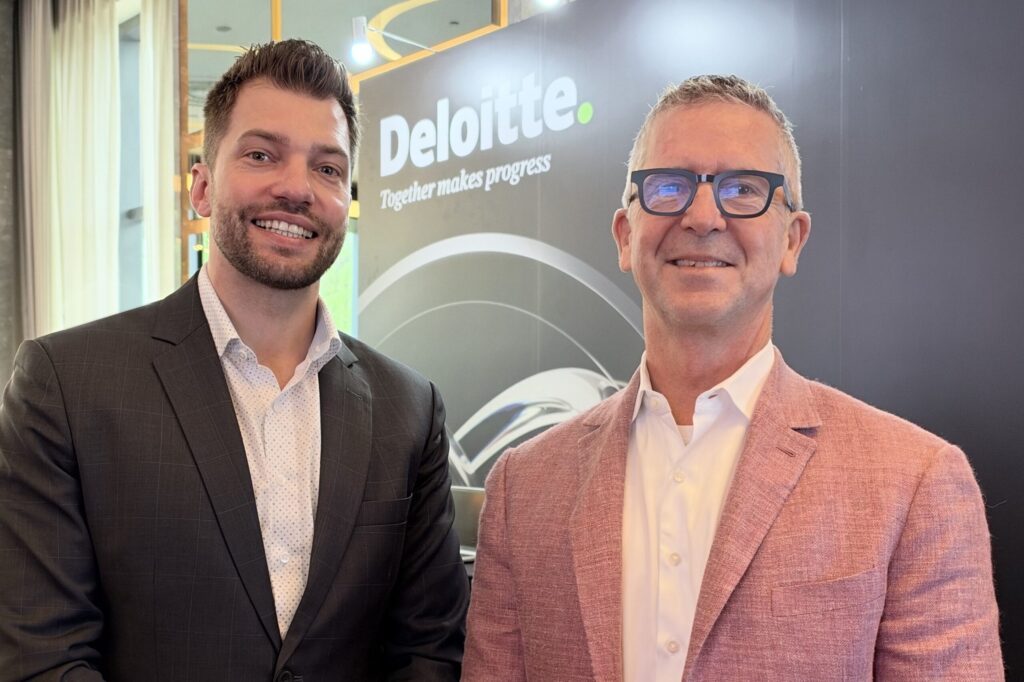
Deloitte’s Kris Kabasinskas and Dave Turk on what an AI-driven operating model asks of the people include global business services, and of the HR leaders responsible for them.
HR is being rewritten. The CHROs who move first will write it

HR, as practised for the last 30 years, will not be the same by 2030. But Skillsoft’s Ciara Harrington sees this as an opportunity, not a threat, for the function.
What actually works when teams have to communicate across borders
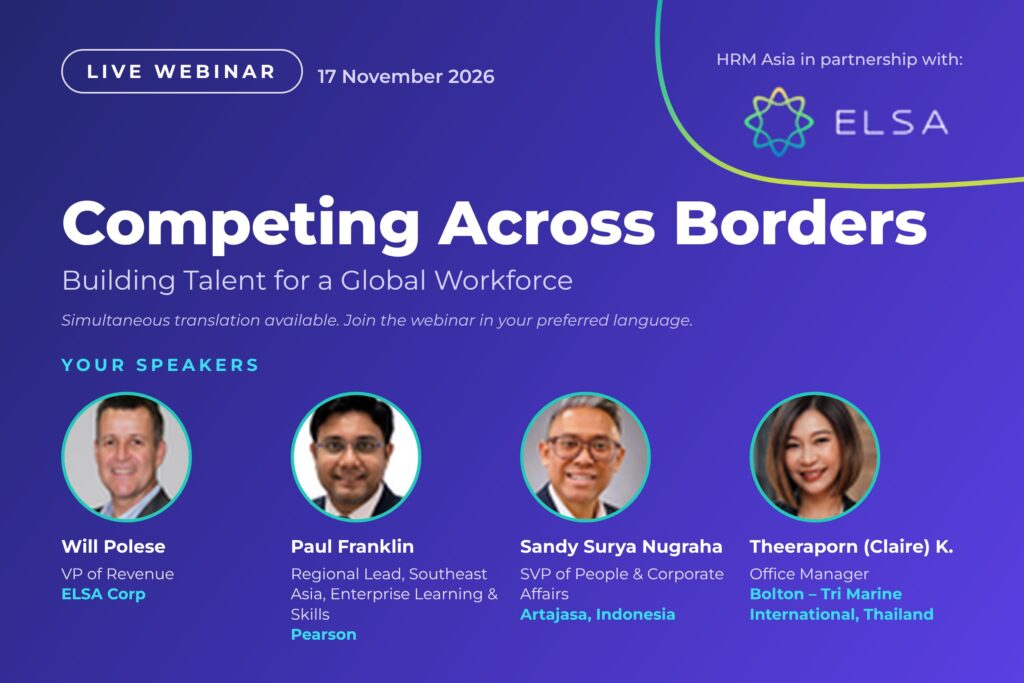
HR leaders from Indonesia and Thailand will share how their organisations have approached the problem at an HRM Asia and ELSA Corp webinar on 17 November 2026.
When a colleague’s heart stops, who steps forward?
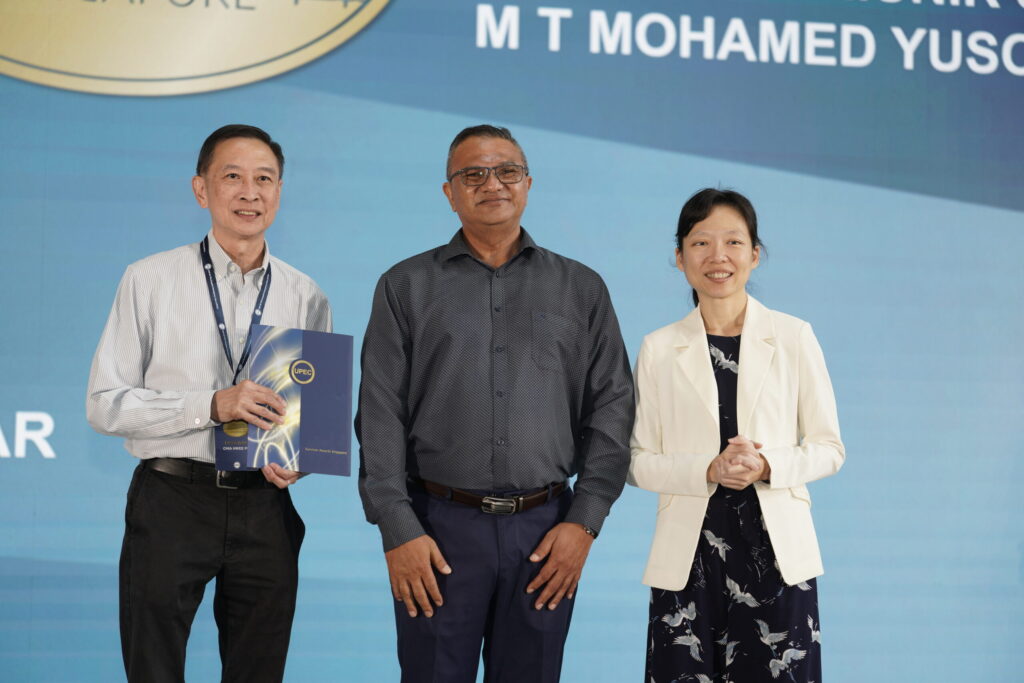
As Singapore introduces a certification for cardiac-ready workplaces, a survivor and a cardiologist share what it takes for colleagues to act when a cardiac emergency strikes.
Fractional HR is being built one practitioner at a time
Senior HR leadership has long meant a full-time, in-house executive. In the first two pieces, Gwen Lockington, Founder and Principal of Lockington People and Advisory, looks at where the fractional model fits, when a business needs senior HR leadership, and what the shift asks of the leaders who make it.
Embraer’s talent strategy: Why aerospace needs people who cross disciplines
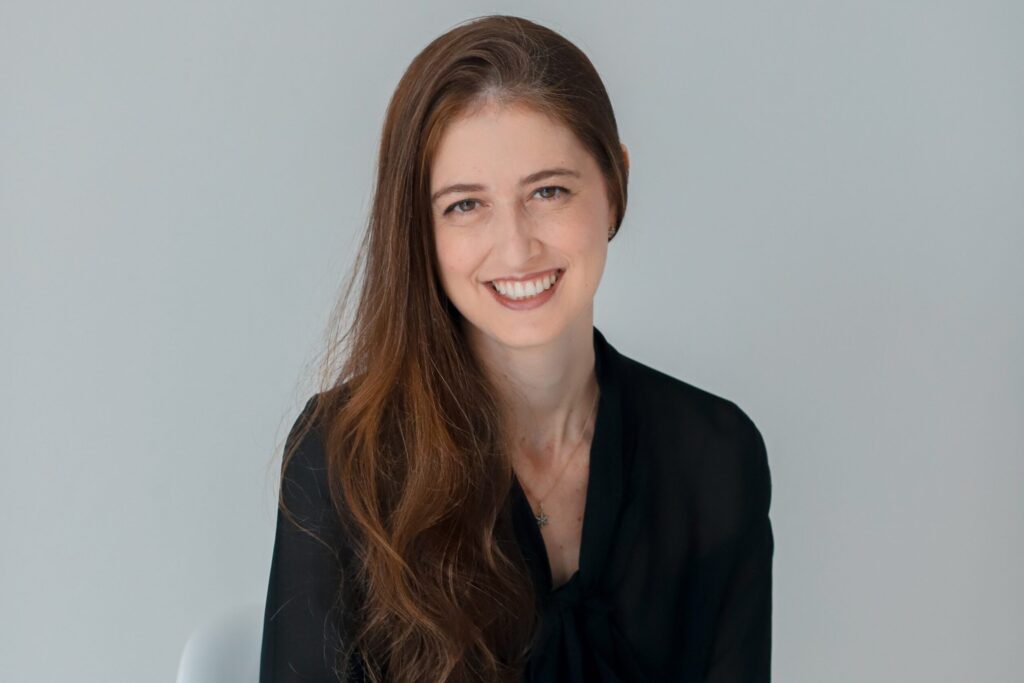
Asia-Pacific’s aviation sector has no shortage of engineers. What Embraer struggles to find are people who combine technical depth with commercial and customer skills. Andreza Alberto, Executive Vice-President of People, ESG and Corporate Communications, explains how the aircraft maker develops them.
The more efficient we get, the more there is to do

There is a lot of talk about AI eliminating work. An emerging risk is that it will multiply it.
SK Telecom moves to scale employee-built AI agents across the organisation

After thousands of employees built their own AI agents, South Korea’s largest mobile carrier is redesigning workflows, data systems and support structures to turn individual gains into organisation-wide results.
Change fatigue and AI: How leaders can keep teams thinking
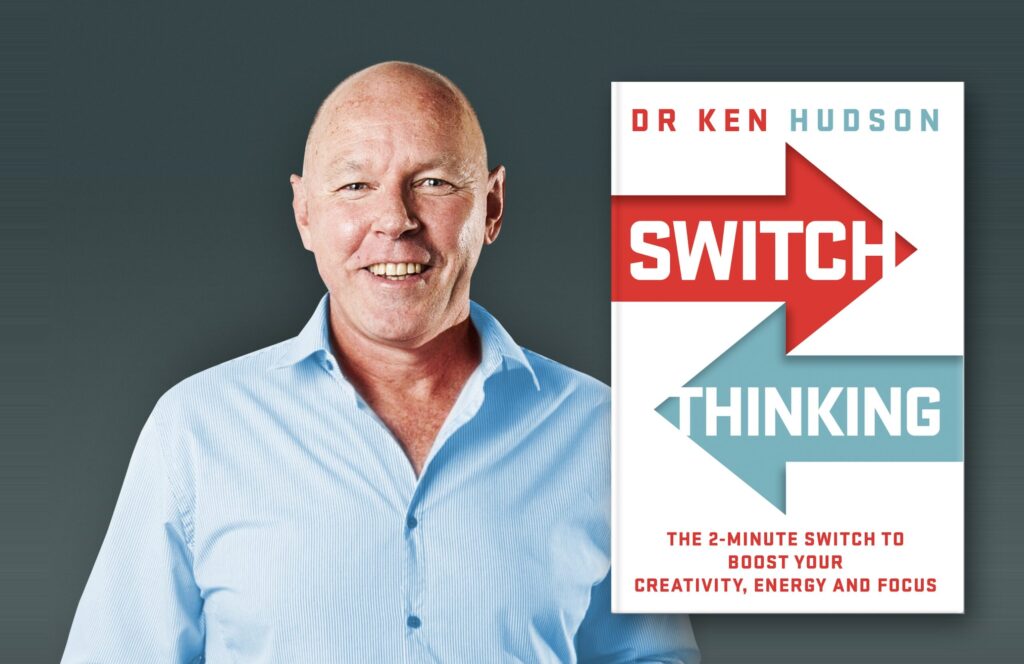
As change fatigue sets in and AI takes on more of the work, organisational creativity specialist Dr Ken Hudson explains how small, two-minute shifts in thinking can help teams adapt.
Career switch into AI and data: What employers should look for
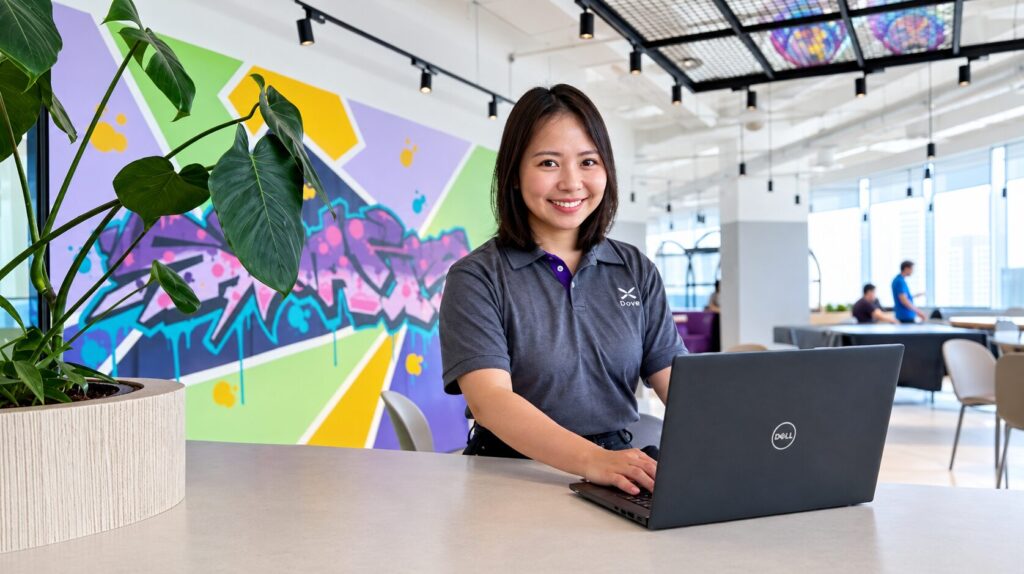
Employers building AI capability are increasingly hiring from outside the technical pipeline. Joycelyn Woo, who moved from real estate marketing to Synapxe’s Data, AI and Innovation team, on what made her transition work and what the people doing the hiring tend to miss.
Renewable energy’s talent shortage in South-East Asia: Why you cannot outbid your way out

Levanta Renewables’ Sonia Liew on building a human capital function across South-East Asia while the sector’s demand for talent outruns supply.
Anthropic’s people products head on the recruiter’s evolving role and how Claude can help

In an HR Tech keynote, Anthropic’s head of people products explored AI’s role in hiring design and connecting HR systems.
Former Tesla HR leader: ‘AI is our moment’

At the HR Strategy Summit at HR Tech, Valerie Capers Workman explored what HR needs to do differently to step into the new expectations for the HR function.
Asia is not one culture. Pandora built its Singapore hub on knowing the difference

With Pandora’s Asia headquarters now open in Marina Bay, Chief People and Planet Officer Byron Clayton explains what the region demands of a people function, and why the company now talks about careers instead of career paths.
Employees in Australia back corporate climate action but few trust their employer’s progress

Nearly all employees in Australia expect employers to act on climate change, but a new Curtin University study finds few believe their own company is delivering, and most will only trust climate claims that are independently verified.
Pay rise of 6% to 8% recommend for lower-wage workers in Singapore

Lower-wage workers earning up to S$2,800 a month should receive a 6% to 8% increase or at least S$120, with the guidelines also calling on employers to invest in AI-related skills.
Building the ESG framework was the easy part. Changing the culture was not
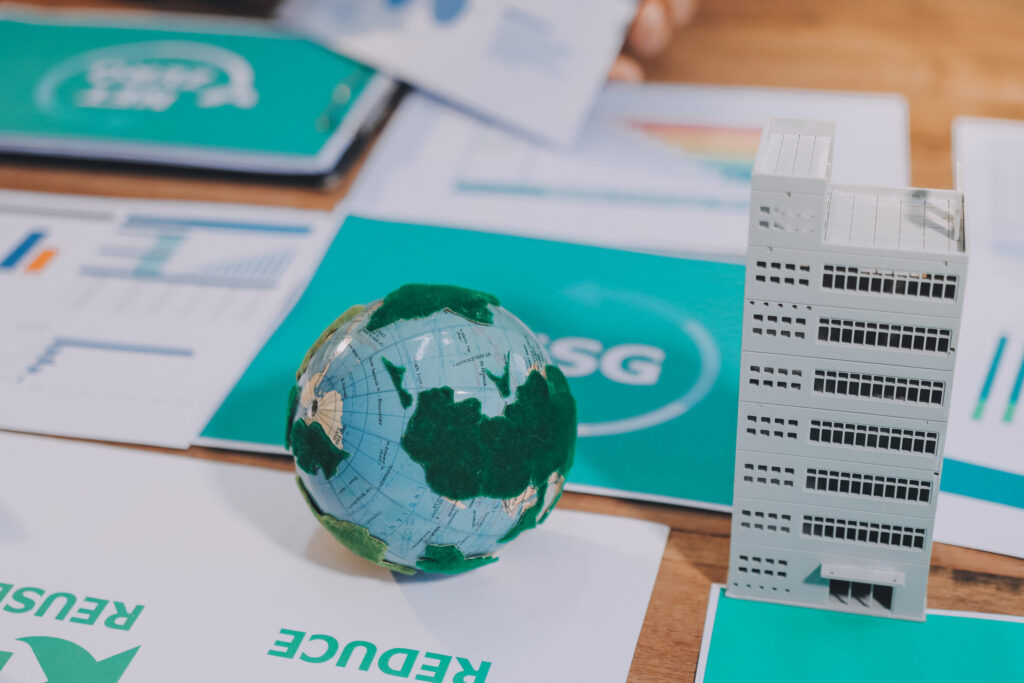
Speaking at AsiaHRM’s latest LinkedIn Live session, ACEN’s Irene Maranan explained how the renewable energy company moved ESG from reporting into everyday business decisions, and why getting people on board took more work than writing the policies.
Why return-to-work for women starts before she resigns

Career breaks are often the end point of months of unmet requests, new research by the Singapore Council of Women’s Organisations (SCWO) finds. Its CEO, Koh Yan Ping, on what employers miss while a woman is still in the job.