

Young workers in China prefer flexible work arrangements

Employees born after 2000 are more willing to work from home and to become “digital workers” with flexible working locations and schedules.
Hybrid work pattern takes hold in Australia

A hybrid work pattern with some days in the office and others at home is becoming the norm, but with big discrepancies depending on occupation.
How to make hybrid meetings more effective
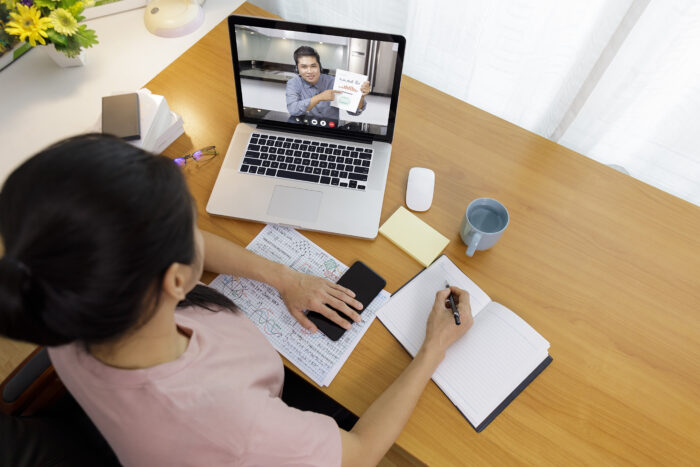
To extract the maximum benefit out of virtual meetings, organisations need to prioritise what happens after them for better productivity.
Tech support critical for employees working remotely
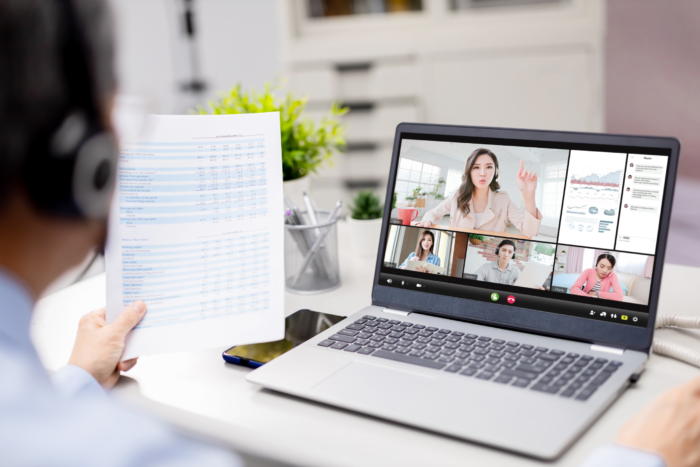
After working from home for two years, 35% of employees are still citing poor connectivity and network issues as ongoing hindrances.
Businesses in Asia expected to continue hybrid work

With virtual work expected to increase, companies believe productivity can be improved through flexible work arrangements.
Hybrid workplace can boost women’s workforce participation

Singapore President Halimah Yaakob has encouraged employers to institute family-care leave to allow workers to care for their families.
Return to office and “work from anywhere”, Google tells employees

Providing more flexibility and time off are some of the ways Google is using to lure staff back to the office.
Employers in the Philippines urged to adopt alternative workplace schemes

The telecommuting law in the Philippines has been revised to ensure flexible work arrangements without compromising employees’ productivity.
Developing a humanised approach in hybrid workplaces

HRM Asia’s CHRO Series Malaysia will pave the way for sustainable employee journeys and highlight trends in human capital management.
Long COVID affects workplace productivity in Malaysia

Businesses in Malaysia have been urged to do more to support employees who continue to suffer from the disease.
Middle managers caught between hybrid work policies

Hybrid managers feel less connected to their company culture than their full-time remote or full-time on-site peers.
Non-essential meetings place financial burden on organisations
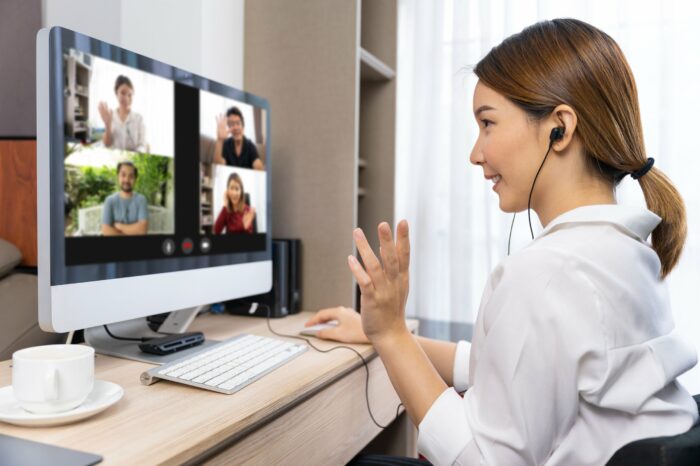
Getting employees to attend unnecessary meetings can cost big companies up to US$101 million per year, and can negatively impact employee engagement.
Could hybrid working hold back women’s careers?

Female employees who choose flexible hours or work from home may risk missing out on opportunities through in-person interaction
Remote work does not impede career progression

Instead of mandating a return to office, Dell is letting employees choose where they want to work and giving fair opportunities to all.
Managers uncertain over productivity of remote employees

With hybrid and remote work continuing, managers are developing “productivity paranoia”, leading to efforts of spying on their staff.
More firms in Japan rethink employee transfer policies

The prevalence of remote work is making companies in Japan revamp or revise their employee transfer systems.
Hybrid meetings leave employees in Singapore feeling disconnected

59% of employees said hybrid meetings would be more effective if all participants could contribute and speak equally.
WFH to create more new jobs in the Philippines
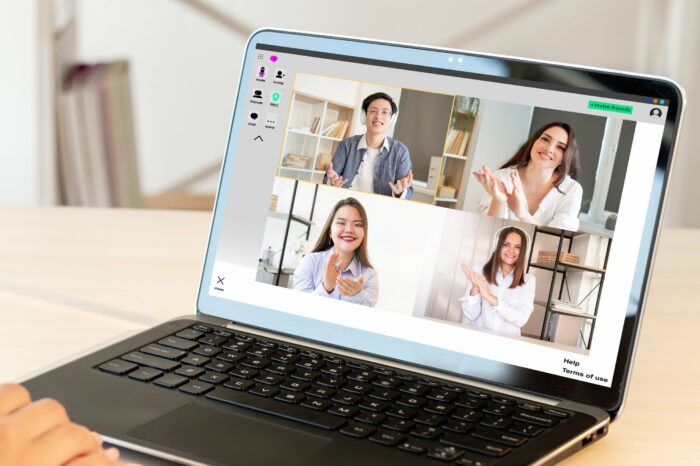
By 2028, work-from-home (WFH) and hybrid work arrangements will create 1.1 million new jobs and generate billions more in revenue in the Philippines.
Navigating a new world of work in Indonesia

Organised by HRM Asia, CHRO Series Indonesia will explore the latest hybrid work models that can empower leaders to build successful HR teams.
New guidelines established in the Philippines to address WFH concerns
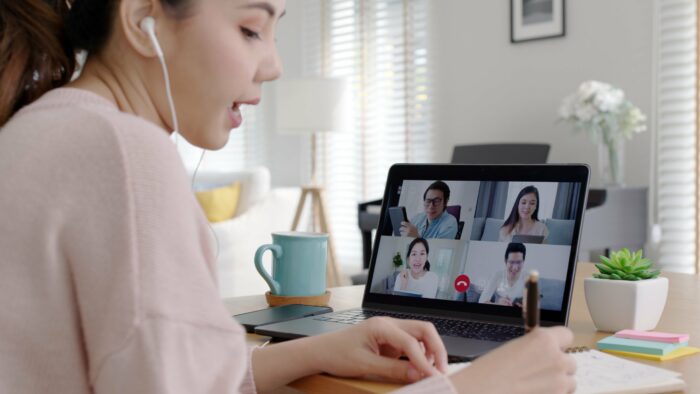
The Department of Labour and Employment has signed an order that more clearly defines WFH workplaces and the work performed by employees.
Most South Korean workers cannot adopt flexible work arrangements
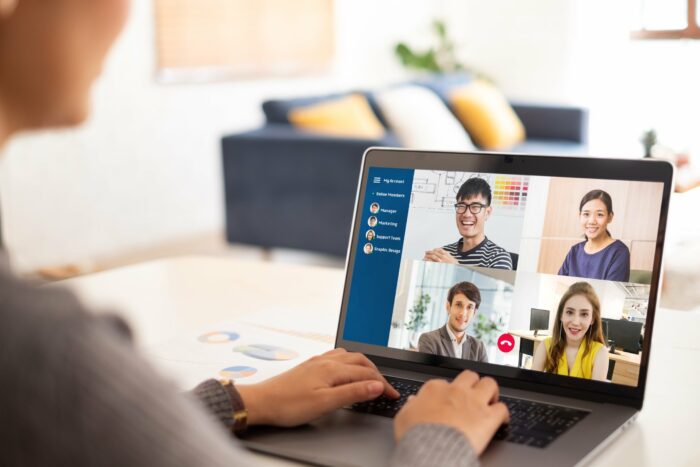
The rollout of flexible working arrangements varied by company size, with a greater number of larger firms offering such arrangements than smaller firms.
70:30 hybrid work model proposed in the Philippines

A 70:30 hybrid work ratio (70% onsite and 30% work-from-home) has been recommended to the government to sustain economic recovery.
The Philippines faces loss of IT talent if WFH scrapped

Employees of IT and business process management (IT-BPM) firms may resign if the government pushes for a return to 100% on-site work.
Redefining the role of HR leadership in reshaping work
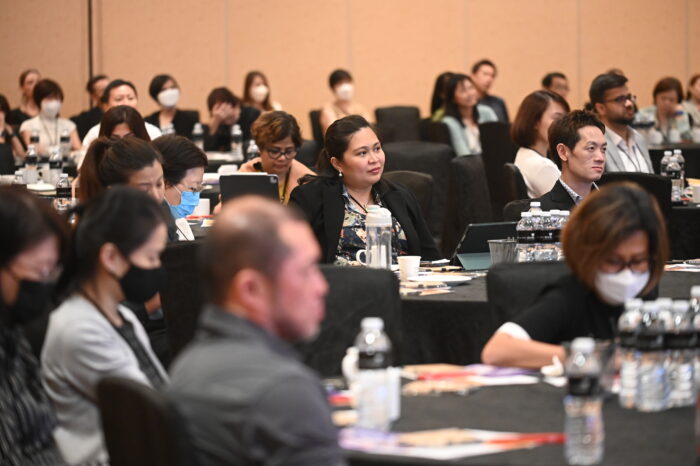
More than 170 HR and business leaders discussed topics like modern HR mindsets, flexible work and employee wellbeing at HR Leadership Series: Live.
Employers in India choose ‘3 days a week in office’ schedule

Hybrid working continues to be the most preferred workspace strategy in India, with 63% of the firms currently adopting this practice.
Does WFH hinder creativity and innovation?
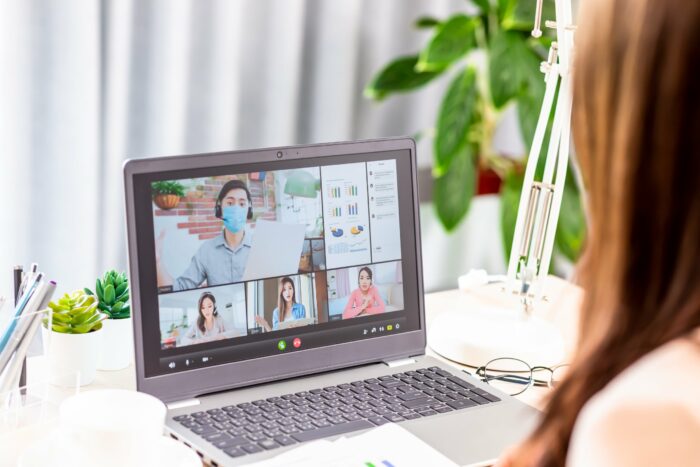
Close physical proximity is requited to foster employee relationships that facilitate innovation, according to research from MIT.
Indian firms want staff back in office despite PM Modi’s support for WFH

Employers believe that face-to-face interactions are key to forging bonds between colleagues in the workplace.
2 Cents: Restructuring of work calls for a personalised approach

As work continues to evolve, a one-size-fits-all approach no longer works and organisations must exercise more flexibility to address employee needs.
Amazon’s WFH strategy lets employees stay performance-focused

Amazon’s three-pronged work-from-home strategy places emphasis on how employees work rather than where they are working from.
Internet activity indicates support for remote work

More workers around the world are continuing to use Google to identify remote jobs and understand how remote work functions.