

Flexible working arrangements set to stay in South Korea

Some 66.6% of South Korean workers believe that flexible work systems are effective in reducing unnecessary overtime work.
Attracting talent begins with pay transparency in job postings
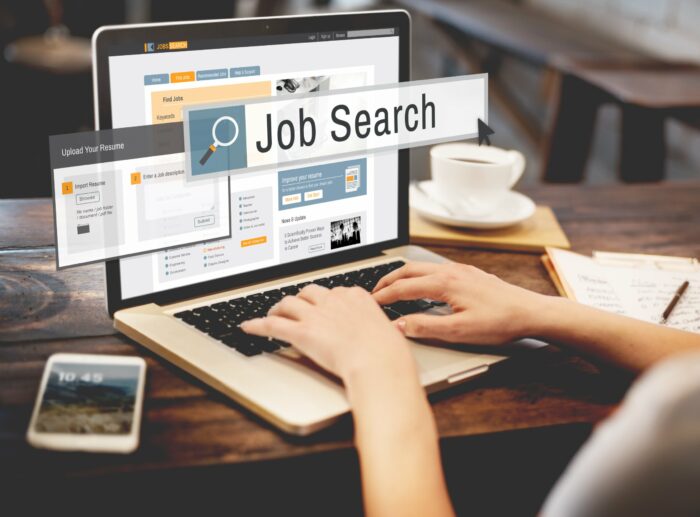
A Gartner survey revealed that, over the last 12 months, almost 50% of jobseekers did not apply to roles without wages disclosed.
Enabling workplace transformation with the right technology
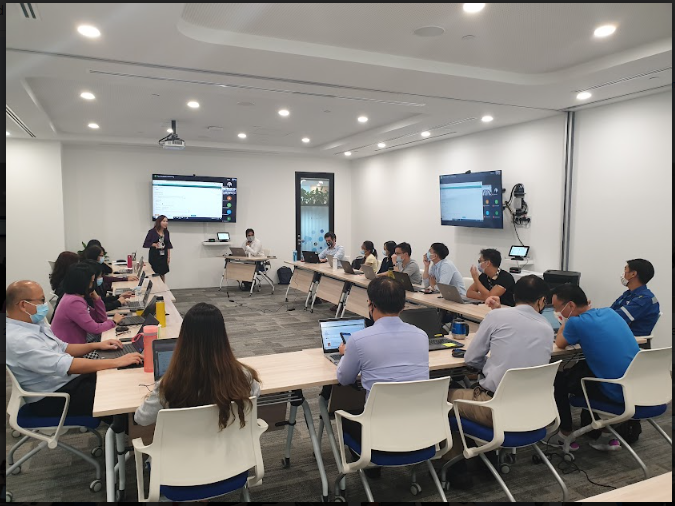
A HR digital transformation has enabled Air Liquide APAC to successfully navigate the disruptive challenges of hybrid work.
Apple employees reject return-to-office directive

A petition has been launched to advocate for flexible working arrangements to accommodate the varied needs of Apple employees.
Indian employees look for job fulfilment

Around 34% of Indian employees, compared to 19% globally, say they are extremely or very likely to switch to a new employer.
Flexible work arrangements a priority to jobseekers in Singapore

Employees are also looking for jobs that align with their aspirations and lifestyle to create a more meaningful work purpose.
Majority of Australian firms do not mandate office presence

Over half of HR professionals surveyed expected that remote working arrangements would remain unchanged over the next two years.
More Apple employees returning to the office

Beginning September 5, a mandatory three-day work policy will see employees return on Tuesdays, Thursdays, and a regular third day.
Chinese city facilitates return to work for moms
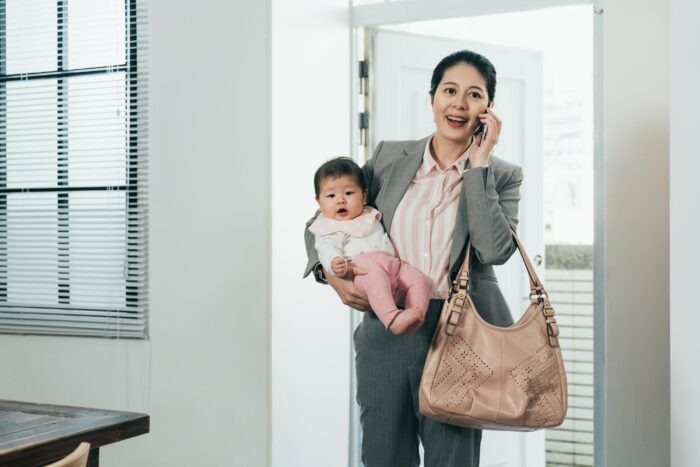
The Zhongshan city government in Guangdong province has introduced a series of incentives to support “working moms” reentering the workforce.
How organisations can succeed in a multi-channel work environment

Tim Sackett, President, HRU Technical Resources, shares how organisations can build a cohesive digital culture in a multi-channel work environment.
India plans to ease WFH rules for special economic zones

This is to sort out differences in opinions of remote work between developers and IT companies in special economic zones (SEZs).
Employers in India support hybrid work arrangements

Nearly 53% of employers prefer hybrid work arrangements for their employees, though the degree of adoption varies from company to company.
WFH a hiring standard in India’s tech sector

Three in four employees in the IT sector refuse to be in the office for even one day a week, citing reasons such as long commutes.
Australia’s public service updates remote working guidance

Amid a COVID-19 spike, public agencies are responsible for setting their own working arrangements and updating them.
Younger and older bosses disagree on remote working practice

Executives closer to retirement age prefer to manage workers when they can see them in person, which differs from managers in their 30s and 40s.
Companies in Australia urged to work remotely

Companies have been urged to allow their employees to work from home and implement mask wearing in the office to combat a new Omicron wave.
What’s ahead for HR leaders in 2023 and beyond?
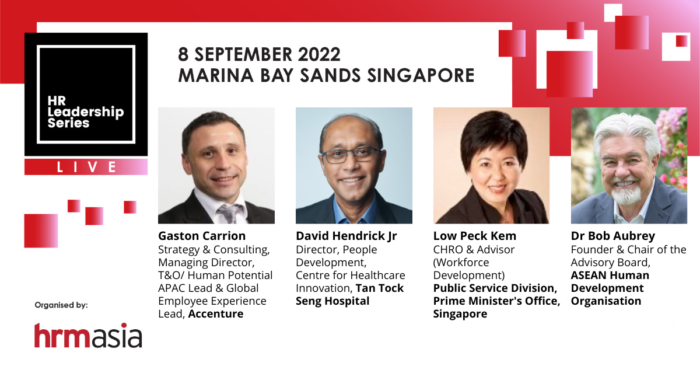
Organised by HRM Asia, the in-person HR Leadership Series: Live will examine the role HR leaders can play in shaping work in 2023.
India adapts rules for WFH arrangement

Workers who are covered include contractual workers, those who are travelling, temporarily incapacitated, and those who are working offsite.
Public service in Singapore embraces flexi-work

Hybrid working arrangements are becoming the norm in the public sector, which is taking the lead in the country’s endeavour to retain flexible work.
Why employers should value remote work
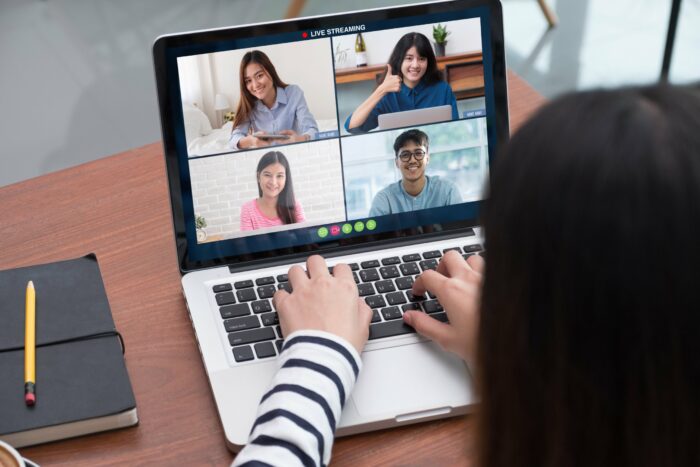
While it may not work for everyone, organisations should not be so quick to dismiss remote work and the potential benefits it can bring.
More companies in India considering hybrid work model

With flexible work gaining momentum, about 73% of companies in India are evaluating the feasibility of hybrid working arrangements.
Large enterprises in Australia to continue hybrid work

Health authorities have been calling for a return to widespread remote work because of a worsening winter COVID-19 wave.
What is your employee development strategy to retain talent?

Dany Holbrook, Senior People Scientist at Culture Amp, explains how organisations can create an effective employee development strategy.
More employees in Japan returning to the office

A recent survey has shown that more than 70% of Japanese companies are currently not implementing working from home for their employees.
Greater clarity urged for flexi-work terms in Malaysia

Malaysia recently announced that workers could apply for flexible working arrangements with their companies from September 1.
How HR can play a leading role with Gen Z

Yvonne Teo, Vice-President, HR, Asia-Pacific, ADP, discusses how HR can lead a new generation of Gen Z employees in the workplace.
Building a global workforce by employing talent anywhere
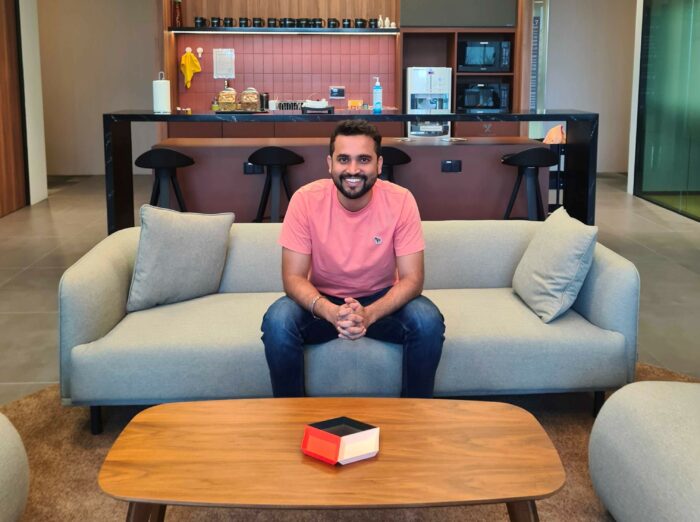
Sagar Khatri, Co-Founder and CEO of Multiplier, highlights how the company is supporting the employment of work teams internationally.
New labour laws in India to bring workplace transformation

New labour codes will potentially transform work culture, affecting working hours, salaries, leave and flexible work arrangements.
Gen Z workers in Singapore most likely to switch jobs

While renumeration is still important to retain talent, employees are increasingly looking at other factors, including transparency and flexible work.
Tech workers in India continue with WFH practice

With most companies adopting hybrid work, employers fear that ordering employees back to the office may trigger a wave of resignations.