

WFH policy in the Philippines spurs demand for office spaces

More businesses in the Philippines are expanding to provincial locations and establishing offices outside Metro Manila.
Why CHROS are focusing on human capital management in 2023
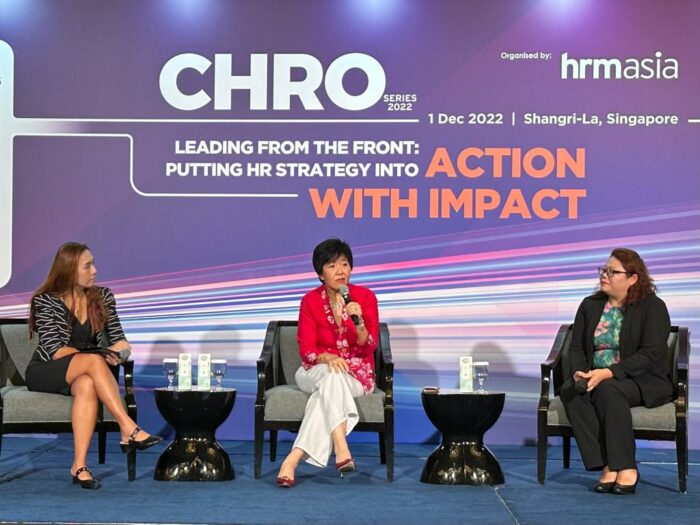
Attracting, managing, and retaining talent was a key discussion point at HRM Asia’s CHRO Series Singapore 2022, which took place on December 1.
Snapchat wants employees back in office

By the end of February 2023, Snapchat employees will be required to physically return to the office for at least four days a week.
What CHROs can do to shape the world of work in 2023
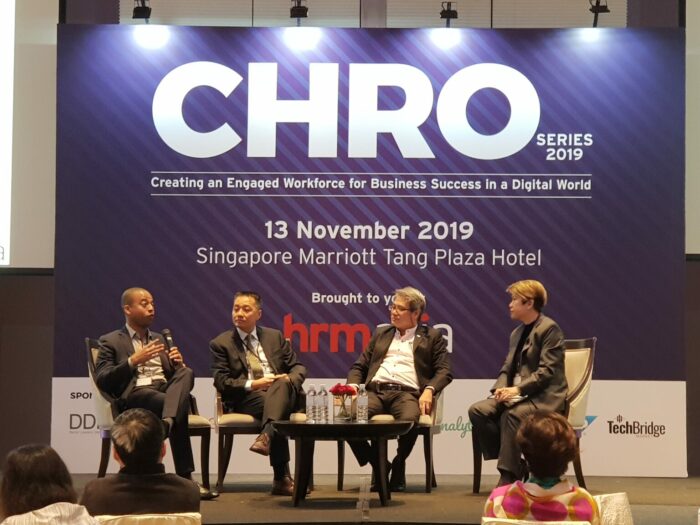
Taking place on December 1, the CHRO Series Singapore will discuss topics such as building a talent management strategy that embraces innovation.
More companies in Australia adopting flexible work arrangements

Offering flexibility at work is helping drive gender equality in Australia’s workplaces, says the Workplace Gender Equality Agency.
Remote employees in Japan less likely to be depressed
In the government’s 2022 whitepaper, it was concluded that remote employees had more sleep hours, which reduces depression and anxiety.
Employee benefits strategy key to talent retention

Companies operating in the Asia-Pacific region recognise that they need to improve their employee benefits strategy to hire and retain top talent.
Prioritising workplace wellbeing support to create a healthy workforce

Hybrid work, the rising cost of living, and uncertainty about the future are all stress factors for employees in Singapore.
Companies in India continue to define flexible work strategies

While some companies want a full return to the office, others are offering hybrid options as part of a flexible workplace culture.
Why HR leadership is the key to organisational change

A change-ready culture driven by the behaviours and performance of leaders is pivotal to manage disruption and prepare employees for change.
Singapore leads work flexibility agenda in APAC
In contrast, over 20% of leaders in the Philippines, India, Sri Lanka and Malaysia expect employees to be working in the office all the time.
Twitter reverses work-from-anywhere arrangement

Having previously advocated permanent remote work, Twitter is now requiring employees to work a minimum of 40 hours per week in the office.
Employees seek more flexibility in work and careers

While compensation is still important for employees, work flexibility and career development opportunities are increasingly being prioritised.
Leadership key to enabling workers’ wellbeing through flexible work

Once enacted, flexible work policies and practices require appropriate planning and investment to enable their benefits to be realised.
Employees in India favour hybrid work model

Employees believe that a hybrid work model helps improves their productivity and gives them much-needed work-life balance.
Salary hike expected for employees in Thailand

A projected salary increase of 4.5% across all industries can be expected for the next two years as companies offer higher wages to attract talent.
Employees in Malaysia unwilling to take pay cut for remote work

Employers are also urged to set clearer policies on flexible work to develop more comprehensive workforce strategies.
Work from home could cost more for Australian workers

If approved and implemented, new tax rules will potentially see lower tax reductions for employees working from home.
HR leaders expect to continue remote work in 2023

Nearly one in four HR leaders expect to maintain a 90-100% remote workforce, while half expect to maintain a remote workforce of 50% or more.
Hybrid work increases productivity in New Zealand

About 83.2% of New Zealand employees say the ability to work from anywhere has made them happier and more productive.
Australia strengthens flexible work rights with new workplace legislation

As part of the new legislation, flexible work will be made more accessible to employees who are parents or care givers, among others.
Younger employees struggling to adjust to flexible work

Besides facing burnout, some 20% of these employees have also expressed stress related to a lack of learning and development opportunities.
Increasing hybrid work transforms firms in Australia

Employee experience and overall business processes are changing as employees embrace remote work post-pandemic.
Remote work increases happiness levels among employees in Japan

Remote employees are able to spend more time with their families, sleep better, and experience less stress from commuting to the office.
Hybrid work arrangement still prevalent among office workers

Commuting patterns have not returned to pre-COVID levels as organisations continue to offer hybrid work.
Remote workers in Japan get more sleep

Working remotely allows employees to sleep better and feel satisfied if they balance telework and office work appropriately.
Work flexibility can address employee burnout

Flexible schedules can reduce burnout, increase employee engagement and loyalty, and promote business success.
Work expectations in hybrid workplaces vary
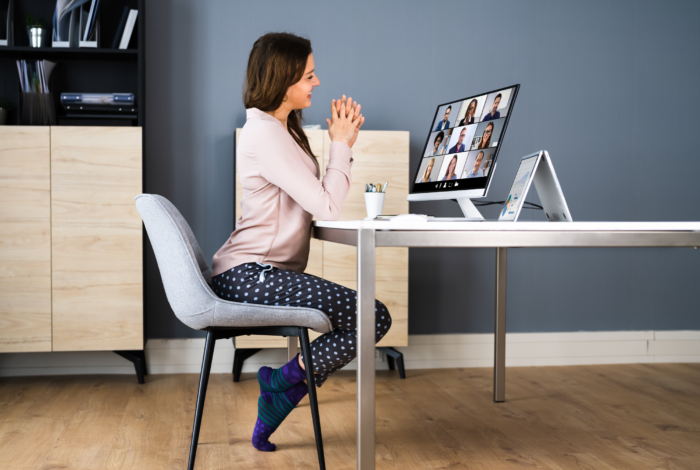
Despite the convenience, employees working remotely are concerned about fatigue and isolation, an IR survey finds.
Samsung moves to establish and strengthen flexible work culture

The South Korean tech giant has opened six co-working spaces to provide a hybrid work environment for employees.
Value of hybrid work may overtake pay increase

Recent research has shown that employees would choose a hybrid work arrangement over any pay increase offered by their employer.