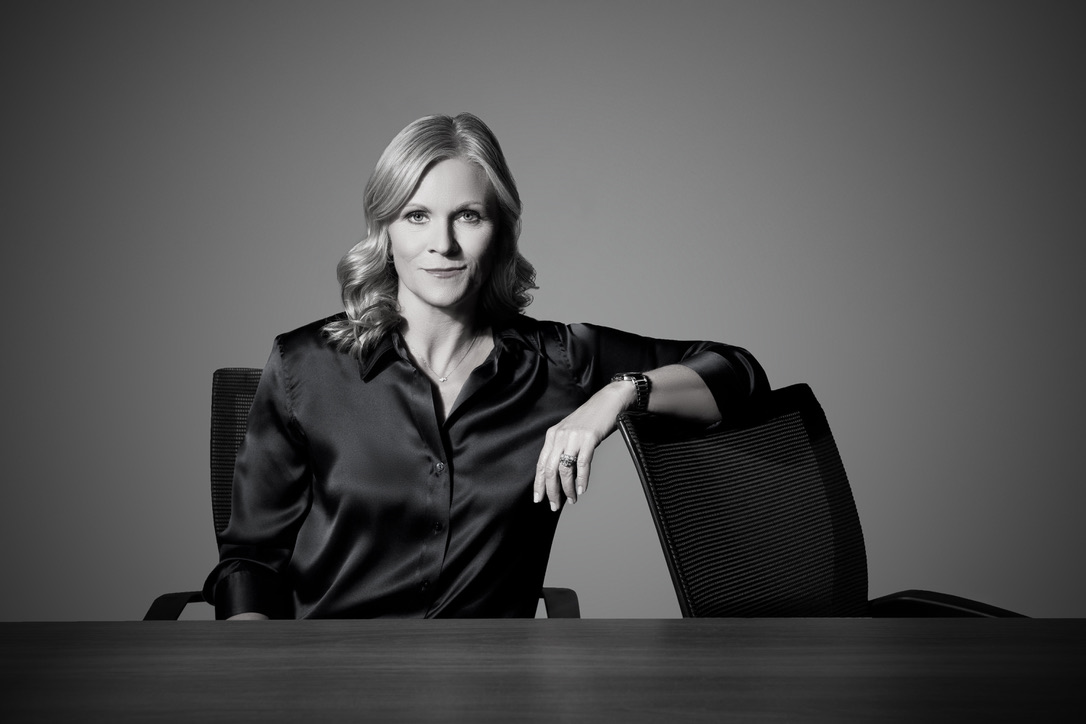


When Cathay Pacific took to the skies again after one of the most turbulent periods in aviation history, the airline faced a new challenge on the ground: rebuilding its workforce for a world that had changed completely. Employees now wanted more than stability; they sought growth, purpose, and flexibility. Leading this transformation is Lynn See, Regional Head of People for South-East Asia and Oceania at Cathay Pacific, who believes that the key to Cathay’s future lies not only in operational recovery but in empowering people to thrive on their own terms.
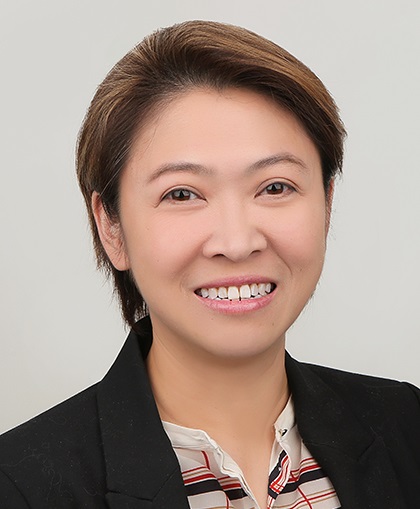
The shift towards flexible benefits in Asia-Pacific is gaining speed, driven by a workforce that increasingly expects employers to meet diverse and changing needs,” See told HRM Asia. “Employees want benefits that support them both at work and outside of work. This includes career mobility and professional training that give employees confidence to develop their careers with us long-term, as well as flexible work arrangements that help them balance personal and professional commitments. Together, these enable our people to succeed both at work and in life.”
The shift toward flexible benefits in the Asia-Pacific region reflects a broader trend of employee expectations evolving beyond traditional compensation packages. As See noted, Aon’s Asia-Pacific Employee Benefit Trend Report highlighted that more than a third of employers are exploring flexible benefits to improve retention and attract talent in a competitive market.
At Cathay, this has been realised through initiatives like Work Your Way, a flexible work arrangement that allows employees to work from home two days a week. “We recognise that saving time on commuting can make a big difference, whether it means more time with family or for themselves,” See explained. “Just as importantly, this initiative reflects the trust we place in our people, empowering them to manage their own time and deliver their best in the way that works best for them.”
For employees based in high-traffic cities, this flexibility has been especially well received. Cathay has also extended flexibility to ground operations teams through shift swaps and ongoing reviews of shift patterns, balancing operational needs with employee wellbeing.
“Incorporating customisation into benefits is therefore not only about giving employees more choice,” she added, “but also about responding to broader shifts in workforce expectations. At Cathay, we believe that true customisation not only enhances the employee experience but also makes us a more attractive employer in a competitive talent landscape, with an adaptable spirit to respond to market and people demands.”
Beyond flexibility, today’s employees increasingly want their work to align with a greater purpose. “The new generation of talent increasingly wants their work and benefits to connect with a greater sense of purpose, whether through sustainability, community engagement, or volunteering,” See said.
Guided by Cathay’s core values of being Thoughtful, Progressive, and Can-do, the organisation runs several programmes that support both its people and the communities it serves. One example is the I Can Fly programme in South-East Asia, where employees volunteer their time to bring less-privileged youth out for a day of aviation learning and exploration.
“These experiences not only inspire our youth,” See shared, “but also build a sense of pride and fulfilment within our teams.”
To ensure such initiatives continue to meet evolving needs, Cathay conducts employee engagement surveys and focus groups each year. “These help us to formulate our plans for the coming year and serve as an important litmus test to refine our approach, ensuring benefits remain both equitable and relevant,” she explained.
From reaction to foresight: Building for the future
The lessons of the pandemic profoundly shape Cathay’s people strategy today. “We’ve learned through the years that effective people strategies can’t just be reactive; they need to be built with agility and foresight,” See reflected.
The pandemic brought significant operational standstills and workforce disruptions, forcing Cathay to rethink how to resume operations at scale while safeguarding employee wellbeing. “As we emerge, the focus shifted to rescaling quickly without losing sight of organisational stability or the wellbeing of our people,” she said. “It’s not only about remaining market-competitive to attract talent in the short term; it’s also about creating structures that are financially viable, agile, and supportive over the long term.”
A key part of that, See explained, is maintaining constant dialogue with leaders and employees to co-create solutions that balance individual aspirations with organisational viability. The organisation has introduced professional progression programmes to continue developing its people, while investing in early-career and graduate programmes to build future talent pipelines.
“We are not only meeting today’s hiring demands,” she noted, “but also nurturing the next generation of aviation professionals who will sustain our growth for years to come.”
As Cathay continues to adopt automation and digital standards, See views technology as an enabler—not a replacement—for human capabilities. “At Cathay, the rise of AI and automation isn’t viewed as an endpoint but as a catalyst, something that allows us to reimagine what success means and reshapes how we reward performance,” she said.
To ensure that uniquely human qualities are still celebrated, Cathay created the Work Well Done platform, which encourages employees to recognise each other for exemplifying the organisation’s core values. This daily recognition leads to the annual Betsy Awards, honouring outstanding employees across the organisation.
“The aim of this is really to inspire us to give our best to achieve our shared vision of becoming one of the world’s greatest service brands,” See explained. “This makes the awards not just a platform for recognition, but a driver of engagement, learning, and culture across the organisation.”
As Cathay looks to the future, its purpose—to Move People Forward in Life—extends beyond its customers to its employees as well. “Our people strategies aren’t just about achieving business goals—they’re about cultivating an organisational culture where every employee feels empowered, supported, and connected to the broader vision of the organisation,” See concluded.