

The year 2026 is set to be a crucial milestone for HR across Asia, where the boundaries between technology, business strategy, and human interaction will become indistinct. The common narrative is no longer about AI adoption — it is about AI integration — and its significant impact on how we organise work, lead teams, and measure organisational success.
As organisations embrace radical digital transformation and the power of agentic AI, a strategic paradox emerges: the future demands strengthening the core human qualities—empathy, purpose, and psychological safety. HR leaders must evolve beyond their traditional administrative roles, becoming central architects of organisational culture and agile performance ecosystems.
Drawing on insights from C-suite and senior HR leaders across the region, this feature explores the key trends shaping tomorrow’s workforce. From the breaking down of the traditional HR-IT divide—the essential starting point for modern workflows—to the rise of caring leadership as a strategic necessity, these predictions show that the next competitive edge will not belong to the most tech-savvy, but to the most human-centric and self-aware organisations.
Read on to find out more about the key trends and strategic imperatives shaping the HR landscape in 2026…
The HR-IT divide will disappear
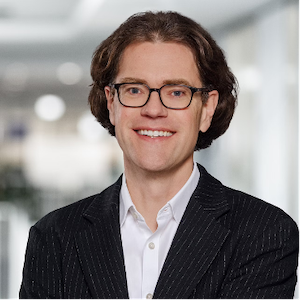 Kai Werner, CHRO, TeamViewer: “In 2026, the traditional boundaries between HR and IT departments will dissolve as organisations recognise that these functions are inseparable in modern workplaces. The entire workflow will encompass all processes across departments, from both tech and HR perspectives, with the focus shifting from replacing humans with technology to empowering humans through technology to perform better. Organisations will bring the chief technology and chief human officer roles closer together or even merge them, recognising that employee experience and technology strategy cannot exist in isolation.”
“HR leaders must embrace a fully digital approach or risk becoming outdated. They should establish formal collaboration frameworks with IT departments, emphasising joint decision-making in technology implementations. Leaders need to prioritise understanding how AI agents and human employees will coexist within organisations and develop integrated workflows that incorporate both. Organisations should assess whether their leadership structures support this convergence.”
AI as catalyst, human as core
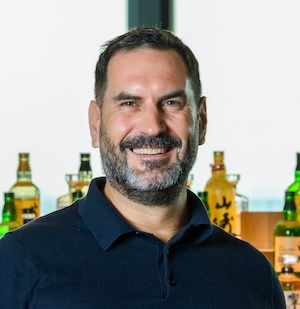 Patrick Jordan, Vice-President of Human Resources, Asia-Pacific, Suntory Global Spirits: “As we look to 2026, I think we need to recognise that AI and digital transformation aren’t just tools for administration and reporting; they’re integral to our evolution as an organisation. Geopolitics and shifting consumer demands are making AI a catalyst for transformation—and HR must adapt, too.”
“This shift extends beyond adopting new technology; it involves rethinking work structures and evolving roles. As HR leaders, we must feel comfortable preparing our organisations to be agile. Terms like blended and fractional roles will become standard. At the same time, we face a key paradox: becoming more digital while staying deeply human. Technology will improve the employee experience, but it cannot replace the human connections that foster engagement and culture.”
“A key initiative in our journey is the launch of Suntory MyCareer, an AI-powered platform that personalises employee learning, and is enabling us to explore how AI can enhance our workplaces. HR must balance innovation with empathy and trust. Successful teams will foster resilient, inclusive workplaces prepared for the future of work.”
Agentic AI empowered workforce
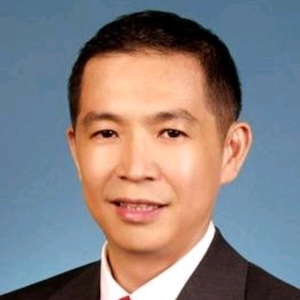 Dr Derrick Kon, Chief Executive, CEO Solutions: “HR professionals should view the agentic AI revolution as an organisation-wide transformation, not merely a technological upgrade. Begin by reassessing your organisation’s business model to identify which tasks autonomous agents can manage and which roles will need to be redesigned. Create a clear skills roadmap that shifts employees from transactional work to more valuable activities.”
“Develop a governance framework that establishes boundaries for how AI agents act on behalf of the organisation—decision rights, escalation procedures, data access, and accountability. HR should lead communication efforts, so employees understand why agentic AI is being implemented, how decisions are made, and what support they will receive.”
“Finally, collaborate with your HR and business teams to pilot agentic tools, gather feedback, iterate, and scale effective solutions. When HR leads this transformation, agentic AI acts as a catalyst for developing a future-ready, AI-empowered workforce.”
Simplification: The HR mandate for impact and purpose in 2026
 Tricia Duran, Head of Human Resources, Haleon South-East Asia and Taiwan: “The HR landscape in 2026 will reward organisations that embrace simplification, experimentation, and purpose. We’ve learned at Haleon that teams thrive when processes are streamlined—removing friction so people can focus on what truly matters: human connection and impact for our consumers. The current AI and technology wave is a powerful enabler, but only if we harness it to simplify work and create space for collaboration and creativity. Alongside this, leaders must foster psychological safety and wellbeing, because innovation happens when people feel trusted and supported.”
“We’re on this journey ourselves: embedding simplification, building capabilities, and ensuring every transformation keeps people firmly at the centre. It’s an ongoing commitment, and one we believe will shape the future of work.”
AI as an opportunity to reclaim time and reignite purpose
 Niranjana Harikumar, People Lead – AMEA MSC (Mondelez Supply Chain), Finance, Strategy and Commercial Excellence, Mondelez: “AI will continue to be a powerful enabler of how we work, collaborate, and innovate. Rather than replacing human capability, it augments it—freeing us from mundane, repetitive tasks so we can dive into meaningful challenges and create a positive impact for our consumers and customers. At Mondelez, this is shaping our technology agenda: we are investing deeply in digital fluency, integrating digital into our strategy and the way we work—from a central Digital Capability Hub to Digital Councils at a business unit-level.”
“At the same time, we are enhancing the human skills that underpin effective leadership and teamwork, such as empathy, curiosity, and trust. People increasingly seek workplaces that balance flexibility with purpose and allow them to contribute in ways that align with their strengths, needs, and aspirations. Organisations that adopt this forward-thinking approach will find that diversity becomes a catalyst for innovation, enabling teams to learn continuously, adapt confidently, and grow stronger together.”
Diversity, AI and the risk of sameness
 Meital Baruch, Managing Director, Global Mindsets: “As AI continues to be integrated into our daily workflows, we will see an increasing need for diversity, originality, and uniqueness. While technology enhances efficiency, it also risks reducing differences into sameness. When processes are optimised for speed and tools start generating ideas and solutions that sound alike, it can diminish the depth and diversity organisations need for creativity and innovation.”
“This is where HR plays a crucial role in developing and maintaining the skill sets that foster diversity and inclusion across people, perspectives, and cultures, while ensuring safe spaces for everyone to bring their unique voices and experiences to work. It also involves designing practices that prioritise context, nuance, and differences rather than defaulting to standard solutions.”
“As we enter 2026, Global Mindsets will continue supporting organisations to go beyond efficiency-driven sameness and leverage the diversity of people and cultures as a key strategic advantage.”
Engineering trust to drive innovation and learning
 Dr Amy Tan, Executive Director, Centre of Organisation Effectiveness (COE): “The defining HR trend in 2026 is the recognition of psychological safety as the strategic infrastructure of organisational performance. Once seen as a cultural aspiration, it is now the decisive factor enabling employees to embrace agentic AI, navigate accelerated skills transformation, and thrive in hybrid environments. Fear of speaking up is innovation’s silent killer; safety is the antidote.”
“HR leaders must move beyond engagement surveys to engineering trust. This means embedding psychological safety into leadership scorecards, ensuring AI deployment is transparent and human-centric, and reframing failure as data through structured learning reviews. These practices normalise risk-taking, reduce technostress, and accelerate continuous learning.”
“In the year ahead, organisations that treat psychological safety as the currency of adaptability will unlock resilience, agility, and sustainable performance, positioning HR not as a support function, but as the architect of future-ready workplaces.”
Caring leadership: The strategic imperative defining workplaces in 2026
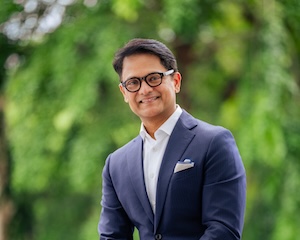 Dr Mahender Nayak, Senior Vice-President, Head of Asia-Pacific Countries, Takeda: “In 2026 and beyond, leadership will be driven by empathy, combining care and courage; what Takeda calls caring leadership. Ambition and employee wellbeing are not mutually exclusive; they complement each other. True leaders find a balance between performance and purpose, fostering environments where both people and businesses can flourish. Today’s employees expect more than just direction; they desire trust, transparency, and psychological safety alongside high performance. Traditional top-down models no longer motivate or inspire.”
“Caring leadership pairs ambition with empathy, accountability with support, and performance with purpose. It creates workplaces where individuals feel secure in taking thoughtful risks, sharing ideas, and learning from mistakes. Leaders develop systems that build trust, encourage honest dialogue, and foster growth mindsets.”
“In a world of rapid change, technology alone cannot ignite innovation. The key differentiator is the human element: connection, authenticity, and wellbeing. Caring leadership is no longer just a philosophy; it is the strategic necessity that will shape workplaces in 2026 and beyond.”
Redefining leadership as enablers of connection and trust
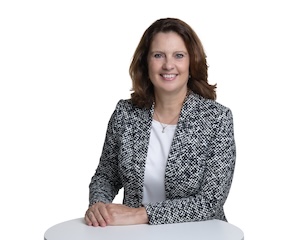
Marjet Andriesse, Senior Vice-President and General Manager of Asia-Pacific, Japan and China, Red Hat: “As technology continues to reshape the workplace, leaders are learning to balance efficiency with humanity, creating environments where people feel heard, valued, and empowered. This year, we have observed a renewed focus on authentic and adaptive leadership, where empathy, transparency, and openness define how we build and grow teams.”
“At Red Hat, our open culture is rooted in ‘people first’, similar to our Asia-Pacific ‘kampong’ spirit, where collaboration, shared responsibility, and diverse perspectives fuel innovation. This human-centric approach reflects a wider shift across industries, where leaders are evolving from decision-makers to enablers of connection and trust. Leadership in the digital age is no longer about hierarchy but about authenticity and adaptability—qualities that will shape the next chapter of workplace transformation.”
Discernment over speed in the era of AI integration
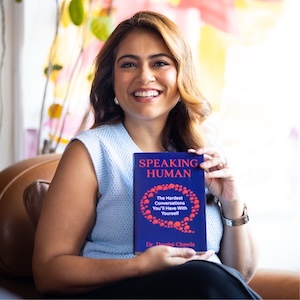 Dr Damini Chawla, Communication Strategist and Author of Speaking Human: “The defining HR trend for 2026 will be the shift from AI adoption to AI integration—where technology doesn’t just automate tasks but fundamentally transforms how we lead, learn, and make decisions. The next competitive advantage won’t be speed; it will be discernment—the ability to balance data with human judgment. As AI handles the ‘what’ and ‘how’, leaders must emphasise the ‘why’: purpose, context, and trust.”
“Especially in Asia, where harmony and hierarchy often shape communication, the true change will be human—learning to speak with courage, clarity, and care in an era of algorithms. HR’s role must evolve from managing people to moderating culture—creating performance ecosystems where critical thinking, emotional intelligence, and honest dialogue foster progress. The future of work will not belong to the most tech-savvy organisations, but to the most self-aware ones.”
Designing a future-ready workforce through purposeful mobility
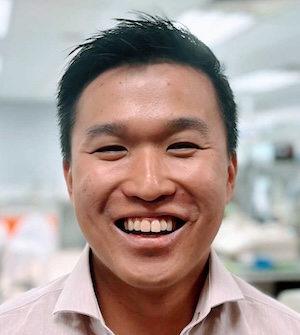 Jack Ang, Head of People, Lucence: “Today, AI is transforming jobs faster than most organisations can reskill. At the same time, many local employees remain rooted and lack regional or internal operational exposure—a gap that impacts how fast an organisation can scale, launch new products, or enter new markets.”
“Purposeful mobility, the intentional movement of talent across markets and functions, provides real operating experiences across borders. By encouraging employees to solve complex problems in unfamiliar environments and adapt quickly to new conditions, they become globally fluent.”
“As a precision health company utilising proprietary AI-powered liquid biopsy technology, Lucence’s mobility programme has been placing top performers in cross-market and cross-functional roles globally since 2020. We see them returning with deeper technical depth, end-to-end operational understanding, and the readiness to step into bigger roles with sharper judgment and stronger execution. This approach builds a workforce that is agile, future-ready, and prepared to drive Lucence’s next growth chapter.”