
HR is being rewritten. The CHROs who move first will write it

HR, as practised for the last 30 years, will not be the same by 2030. But Skillsoft’s Ciara Harrington sees this as an opportunity, not a threat, for the function.
What actually works when teams have to communicate across borders
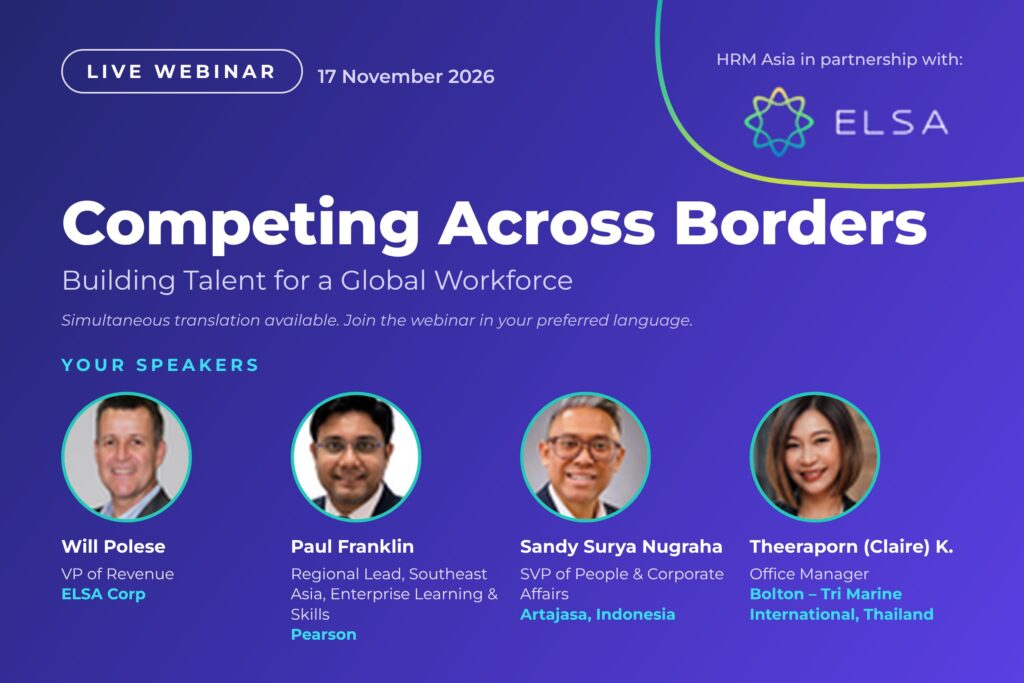
HR leaders from Indonesia and Thailand will share how their organisations have approached the problem at an HRM Asia and ELSA Corp webinar on 17 November 2026.
When a colleague’s heart stops, who steps forward?
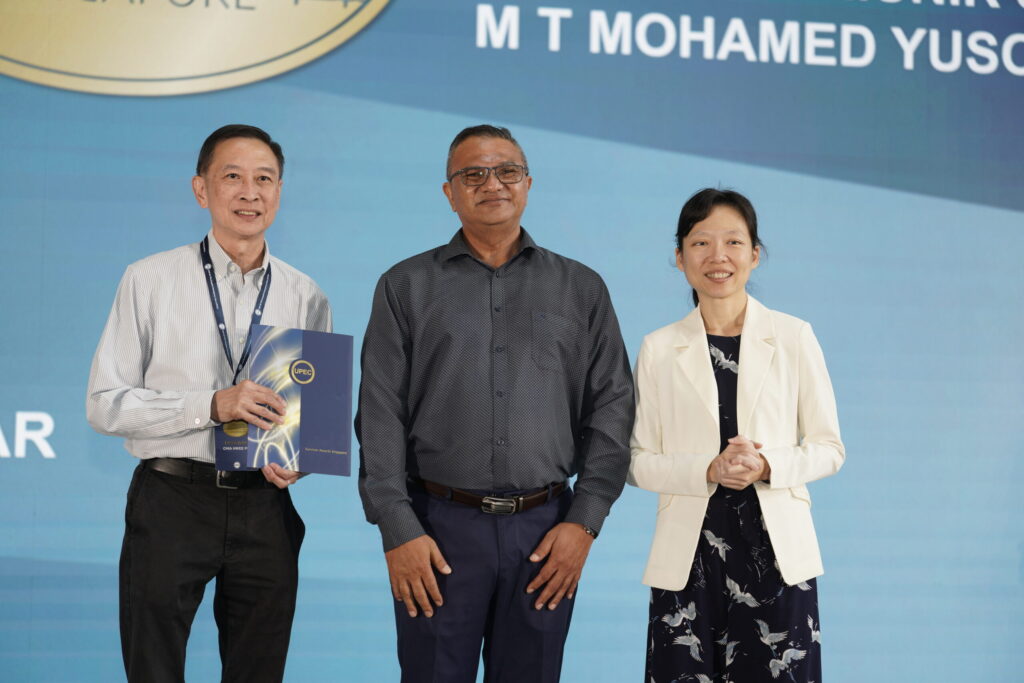
As Singapore introduces a certification for cardiac-ready workplaces, a survivor and a cardiologist share what it takes for colleagues to act when a cardiac emergency strikes.
Fractional HR is being built one practitioner at a time
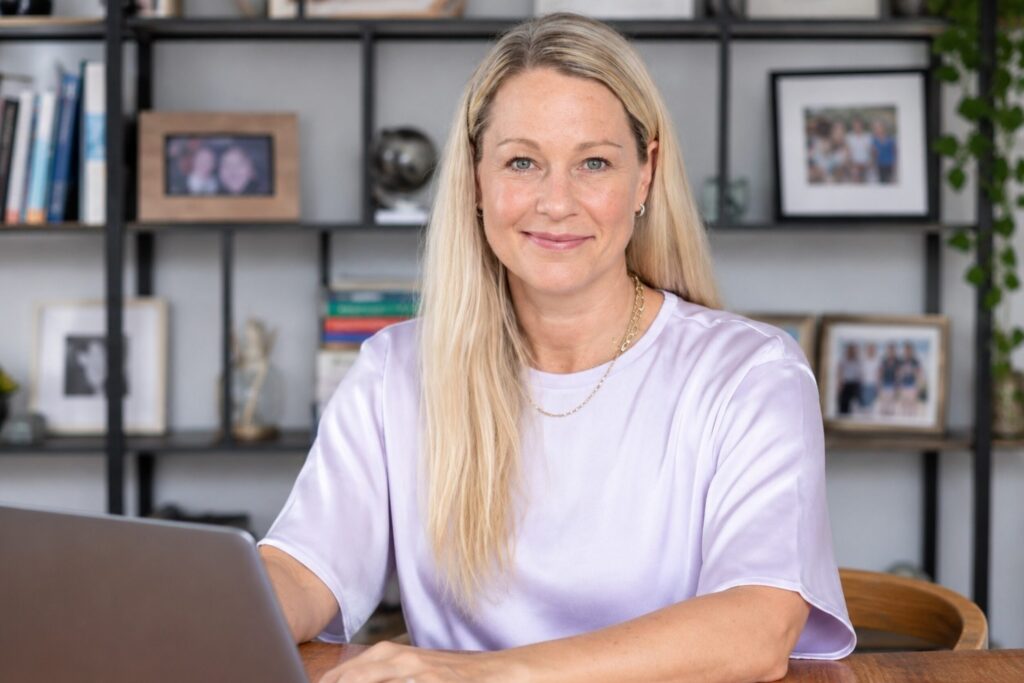
Senior HR leadership has long meant a full-time, in-house executive. In the first two pieces, Gwen Lockington, Founder and Principal of Lockington People and Advisory, looks at where the fractional model fits, when a business needs senior HR leadership, and what the shift asks of the leaders who make it.
Embraer’s talent strategy: Why aerospace needs people who cross disciplines
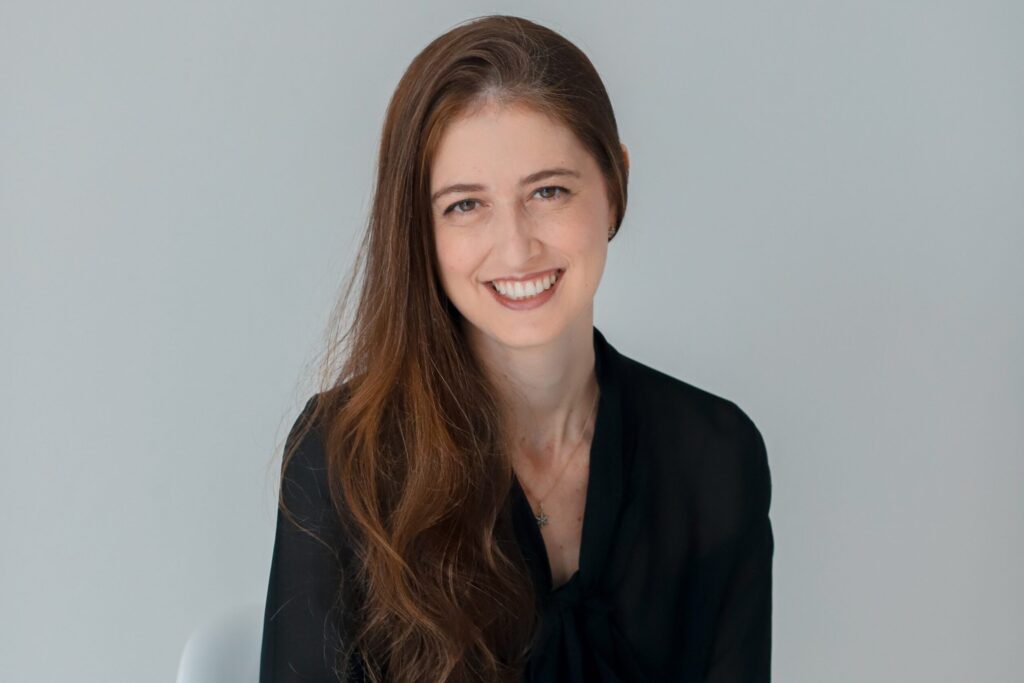
Asia-Pacific’s aviation sector has no shortage of engineers. What Embraer struggles to find are people who combine technical depth with commercial and customer skills. Andreza Alberto, Executive Vice-President of People, ESG and Corporate Communications, explains how the aircraft maker develops them.
The more efficient we get, the more there is to do

There is a lot of talk about AI eliminating work. An emerging risk is that it will multiply it.
SK Telecom moves to scale employee-built AI agents across the organisation

After thousands of employees built their own AI agents, South Korea’s largest mobile carrier is redesigning workflows, data systems and support structures to turn individual gains into organisation-wide results.
Change fatigue and AI: How leaders can keep teams thinking
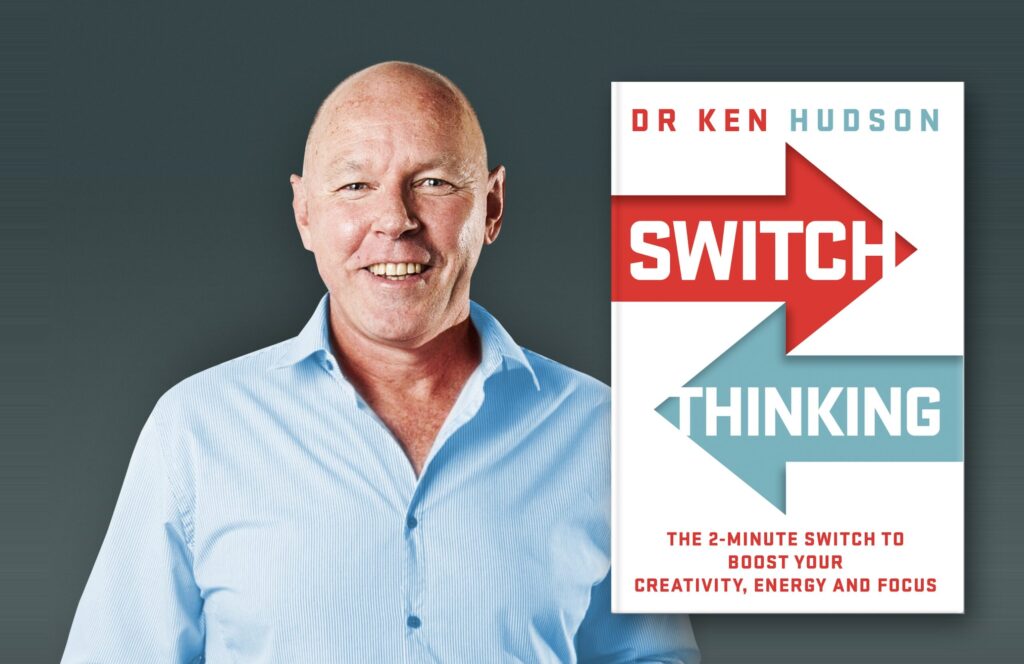
As change fatigue sets in and AI takes on more of the work, organisational creativity specialist Dr Ken Hudson explains how small, two-minute shifts in thinking can help teams adapt.
Career switch into AI and data: What employers should look for
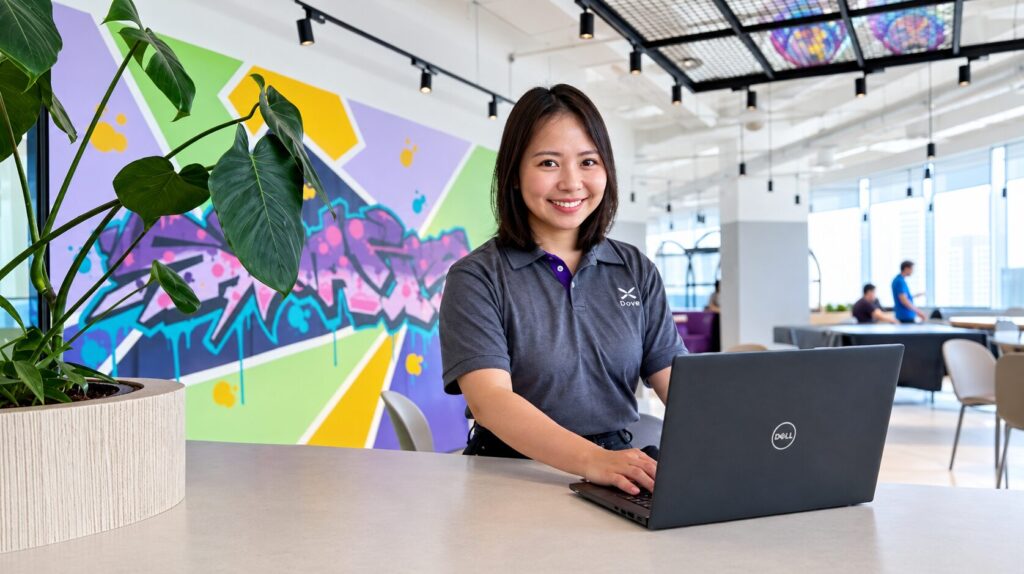
Employers building AI capability are increasingly hiring from outside the technical pipeline. Joycelyn Woo, who moved from real estate marketing to Synapxe’s Data, AI and Innovation team, on what made her transition work and what the people doing the hiring tend to miss.
Renewable energy’s talent shortage in South-East Asia: Why you cannot outbid your way out

Levanta Renewables’ Sonia Liew on building a human capital function across South-East Asia while the sector’s demand for talent outruns supply.
Anthropic’s people products head on the recruiter’s evolving role and how Claude can help

In an HR Tech keynote, Anthropic’s head of people products explored AI’s role in hiring design and connecting HR systems.
Former Tesla HR leader: ‘AI is our moment’

At the HR Strategy Summit at HR Tech, Valerie Capers Workman explored what HR needs to do differently to step into the new expectations for the HR function.
Asia is not one culture. Pandora built its Singapore hub on knowing the difference

With Pandora’s Asia headquarters now open in Marina Bay, Chief People and Planet Officer Byron Clayton explains what the region demands of a people function, and why the company now talks about careers instead of career paths.
Employees in Australia back corporate climate action but few trust their employer’s progress

Nearly all employees in Australia expect employers to act on climate change, but a new Curtin University study finds few believe their own company is delivering, and most will only trust climate claims that are independently verified.
Pay rise of 6% to 8% recommend for lower-wage workers in Singapore

Lower-wage workers earning up to S$2,800 a month should receive a 6% to 8% increase or at least S$120, with the guidelines also calling on employers to invest in AI-related skills.
Building the ESG framework was the easy part. Changing the culture was not
Speaking at AsiaHRM’s latest LinkedIn Live session, ACEN’s Irene Maranan explained how the renewable energy company moved ESG from reporting into everyday business decisions, and why getting people on board took more work than writing the policies.
Why return-to-work for women starts before she resigns

Career breaks are often the end point of months of unmet requests, new research by the Singapore Council of Women’s Organisations (SCWO) finds. Its CEO, Koh Yan Ping, on what employers miss while a woman is still in the job.
Technically strong, globally stalled: The communication gap in cross-border teams
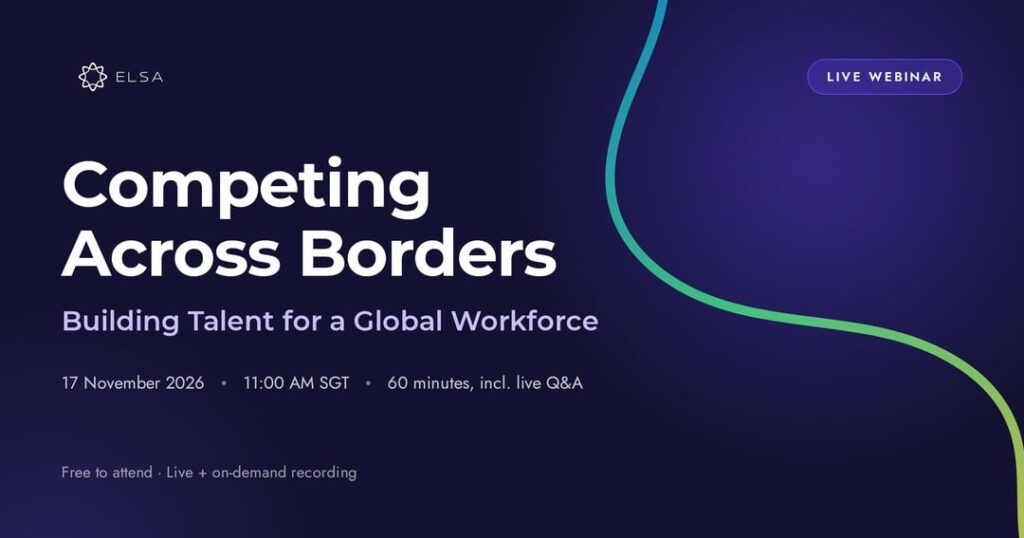
Strong technical skills are not always enough when talent has to perform across markets. Speakers from Pearson, ELSA and regional HR teams will unpack the issue at a webinar on 17 November.
Experiment first, strategy later: How AI is entering the workplace

Three waves of University of Konstanz research show AI use at work rising slowly and often arriving without the employer’s involvement. Study head Florian Kunze explains why the divides are widening as it spreads.
How CHAGEE rebuilt a tea store to run on sight instead of sound

When CHAGEE opened Singapore’s first Signing Store, staffed by deaf and hard-of-hearing baristas, it arrived as a milestone in workplace inclusion. More than a year on, chief executive Lawrence Wen and barista Victor Teo suggest its success is better measured by how ordinary it has come to feel.
CHRO Singapore 2026: Time saved, skills at risk, trust on the line

From productivity gains to disappearing entry-level work and the gap between what leaders and employees sees, the conversation at CHRO Series Singapore 2026 kept returning to what AI changes for people.
The new AI skills gap isn’t technical. It’s human

As AI accelerates work, organisations must strengthen employees’ critical thinking, communication, and judgement so faster outputs translate into better decisions.
Malaysia’s Budget 2027 lifts minimum wage to RM2,000, sets RM2,500 floor for graduates

Budget 2027 also raises the pay floor for semi-skilled workers and graduates, introduces new tax rules on wage payments, and allocates RM8 billion to vocational and technical training.
A new way to measure digital wellbeing, and a warning about measuring it alone

New research shifts the digital wellbeing question from how much technology employees use to how they use it – while cautioning that training alone leaves the demands untouched.
Every problem they solved had a precedent. That is the warning sign
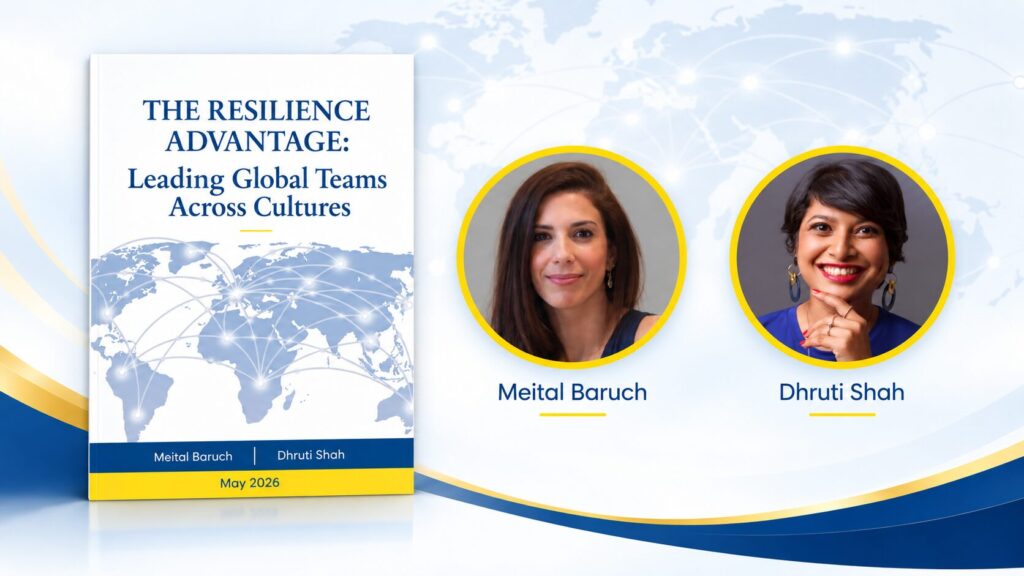
The second part of our look at the research on resilience across cultures turns to what organisations can build – starting with the uncomfortable possibility that stability itself gets in the way.
Mental health at work: When well-meaning caution narrows a career
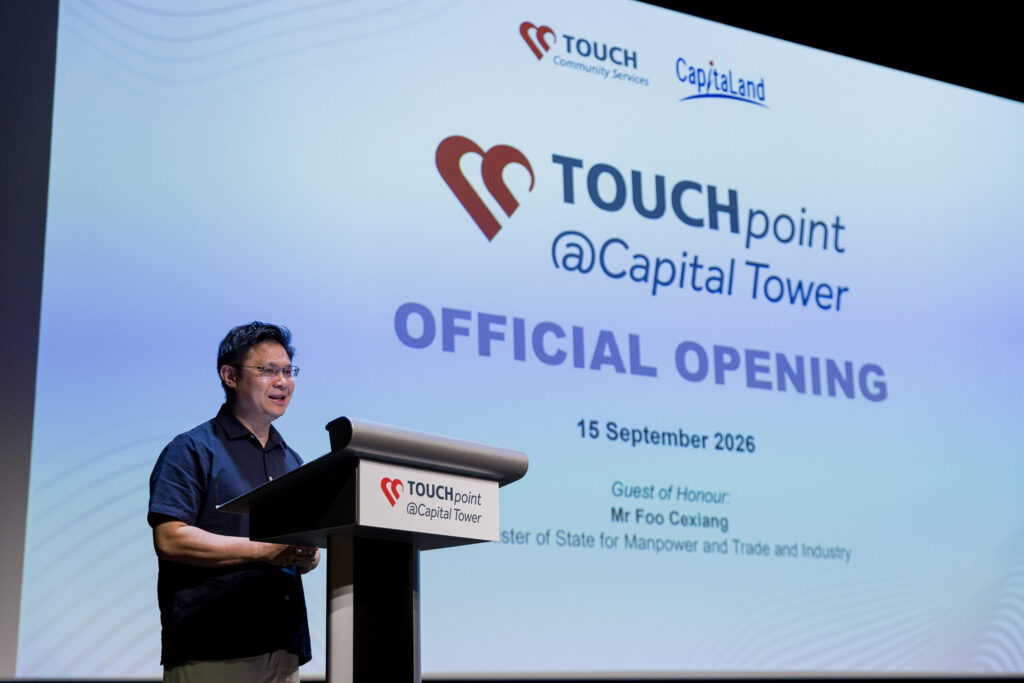
Employers have expanded mental wellness provisions considerably. Andrea Chan of TOUCH Community Services explains why the harder test comes after an employee speaks up.
Most employees in Singapore now use AI at work, but fewer than four in 10 have been trained in it

AI is now part of the working week for most employees in Singapore, but employers say nearly half of their workforce is still using it only for general tasks.
AI risk debate: Steve Boese on what HR leaders can act on while consensus is missing
The global argument over AI’s risks is being fought at full volume, yet the decisions HR faces are more immediate. From readiness to governance, the H3 HR Advisors co-founder outlines where the function’s attention belongs.
Overqualification can strain family life, or free it up

Being overqualified leaves some employees anxious and drained at home, and gives others more time for family. What sets them apart is which of the two they value more.
Why redesigning a job takes more than the equipment that prompted it
With Singapore’s workforce no longer growing and a larger foreign workforce off the table, facilities management is reshaping its frontline roles. ICFM’s Lynn Lim on multi-skilled teams, an ageing workforce, and why a robot on its own changes nothing.