
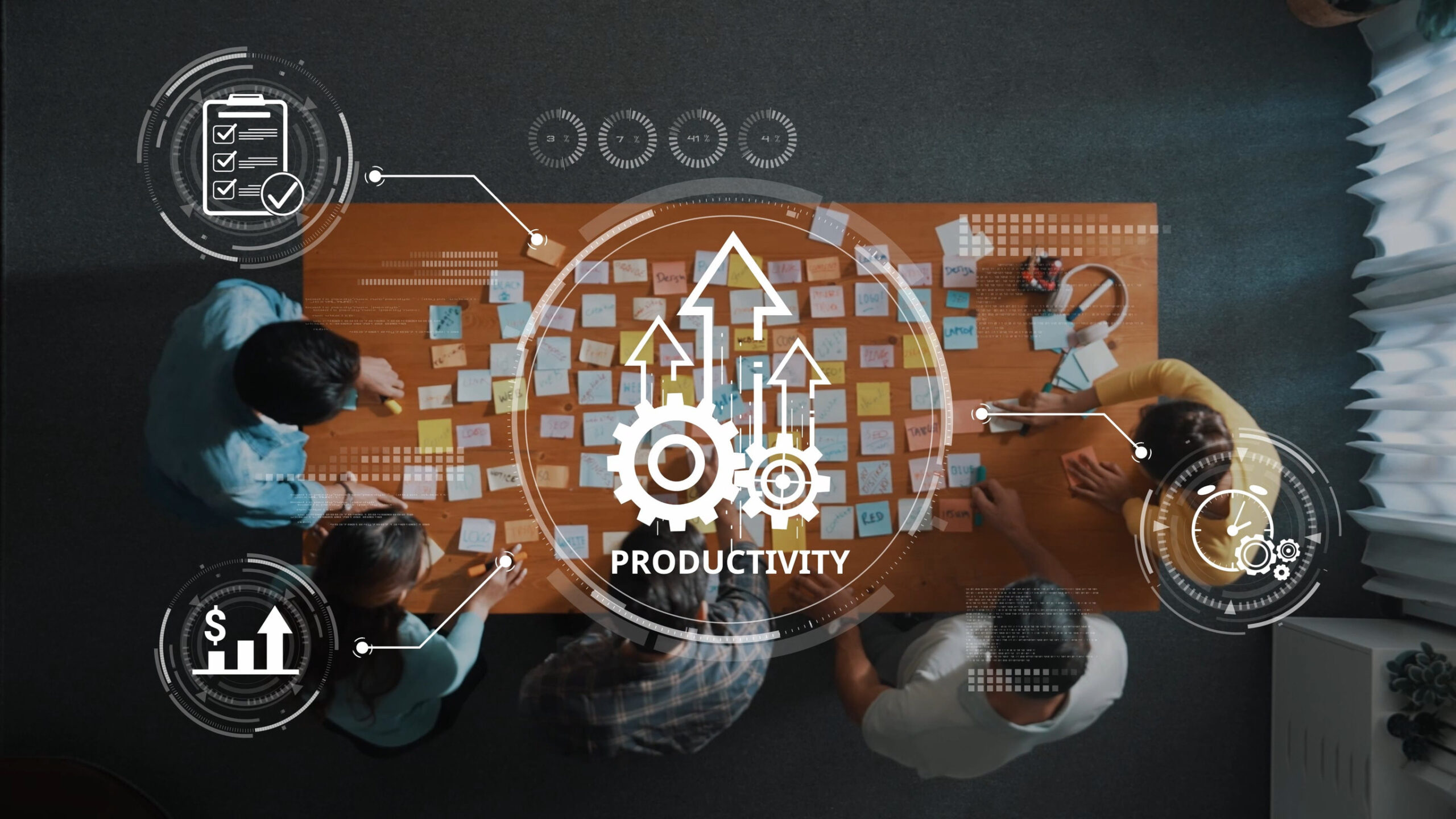
The word “productivity” has likely surfaced in more workforce strategy meetings than ever before during recent months, as business leaders press for transformation to maximise efficiencies and enable talent in an AI-powered world.
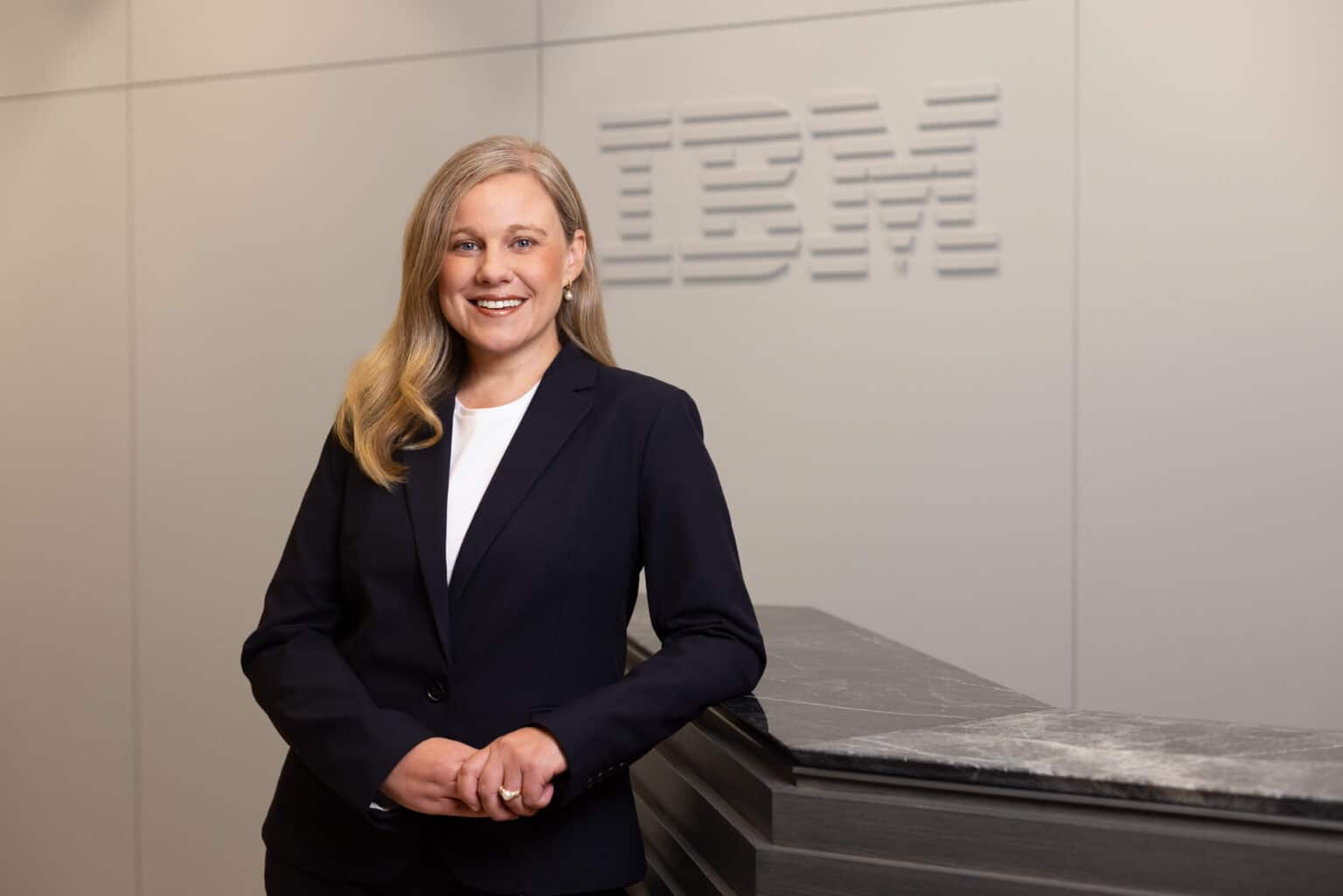
Yet, AI strategy that is guided only by a pursuit of productivity will miss the mark, says Nickle LaMoreaux, IBM’s CHRO. In remarks at The Wall Street Journal’s recent inaugural CPO Council Summit in Palo Alto, California, LaMoreaux, the 2024 HR Executive of the Year, says many organisations are thinking of AI transformation at the individual process level: How can the tech help employees write emails, gather insights, generate ideas—ultimately, how can AI drive productivity in employees’ daily tasks?
However, she advocates for HR taking a broader view. “Where we as CPOs can get the biggest bang for the buck is figuring out how we can put AI, technology and automation into enterprise workflows,” she says. The ways employees access customer support, how managers run the promotions process, and how HRBPs answer questions, “these are the workflows we should be focused on,” LaMoreaux says.
Transforming such processes through AI will indeed increase productivity, but it can also move the organisation towards measurable enterprise growth, which LaMoreaux says needs to be the real aim of AI integration.
Reimagining for reinvestment
As AI and automation make their way into the workplace, the impact on productivity is undoubtedly transforming conversations on workforce planning, as evidenced by the ongoing waves of mass layoffs.
LaMoreaux, however, challenges HR to think differently about AI’s potential. What if, in three years, AI could power 50% of the work currently done by humans in your organisation, but you had to keep your headcount flat, or even double it? What new products could you build? Which new clients could you go after with that freed-up manpower?
AI certainly drives efficiencies, leading to productivity and cost savings—LaMoreaux points to the US$4.5 billion in free cash flow from IBM’s own AI journey over the last three years—but it is not just a shot straight to the bottom line. To capture the full savings and promote real growth, HR has to also focus on how human talent will be reinvested.
“What growth can AI drive? What can we do differently?” LaMoreaux asks. Those are ideas she says many organisations are not focused on, which puts them at risk of “missing the moment.”
AI-driven growth in focus: Entry-level hiring
IBM’s push to view AI as a catalyst for growth—not just productivity—is a driving factor in its pledge to triple entry-level hiring in the next three years. This comes at a time when so many other organisations are shaving or significantly pulling back hiring in this area.
On one hand, these moves make sense, LaMoreaux acknowledges. After all, AI can handle much of the work that junior analysts, call centre, and customer support professionals handled at IBM just a couple of years ago. But while cutting entry-level hiring may be a “logical decision in the short-term,” these moves often come as a result of viewing AI simply from a productivity mindset.
READ MORE: IBM CHRO: AI is giving HR its ‘time in the sun’
Instead, think about long-term growth and the strategic redeployment of talent. What if entry-level hires could be redeployed to capture small and medium-sized businesses that an organisation has not previously had the ability to pursue? What if, instead of maintaining products, software developers had the capability to focus on new products and features?
“It’s a growth mentality,” LaMoreaux says. And it is one that is working at IBM.
Software developers used to spend 80% to 90% of their time coding. Now that AI can handle much of the low-code work, entry-level developers have more time to invest in debugging automated code and supporting customers and clients with customised configurations.
HR has been another area where AI-powered transformation is opening opportunities for new talent to drive growth. Early-in-career HR professionals used to be sent to Centre of Excellence call centres and asked to tackle employee inquiries. Much of that work is now being handled by the firm’s Ask HR chatbot, with entry-level human talent layered on top.
For instance, employees are asked to rate their experience with Ask HR, and when they provide a negative rating, entry-level professionals follow up via phone to garner feedback and then take that information back, which she says can help the function train the AI while arming new entrants to HR with customer service and problem-solving skills. The redeployment is also having a meaningful impact on employee perspectives on HR. Now that the function is freed up to respond directly to employee feedback, employees feel they have more of a voice.
“We have to get comfortable constantly reengineering jobs to the value,” LaMoreaux says, “and that value is always going to be shifting.”
It will be up to HR to sell the potential of AI-powered growth to leadership and employees. For both, it will be about shifting the conversation from AI’s influence on employee productivity to its potential for employee experience. For instance, LaMoreaux says AI has freed up US$4.5 billion at IBM, but it has also saved 22 million hours of work, reducing the workforce’s time spent on administrative processes to single-digit percentages.
“We don’t want to just say AI is taking away the drudgery,” she says. “Ok, to do what? We have to get people excited about the ‘to do what’.”
About the Author:
 Jen Colletta is Managing Editor at HR Executive, where this article was first published.