

Skills development key to maintaining employee job security

31% of Generation X workers in Singapore between ages 42 and 57 are worried about losing their jobs if they fail to keep up with digital transformation.
Non-regular employment grows 2.4% year-on-year in Japan

As of August, 67.51 million people were employed in Japan, of which almost a third are those not in formal employment.
The Philippines prepares organisations to work from anywhere

New legislation is redefining what constitutes a workplace and how work is conducted away from the traditional office.
Skills employers seek when hiring graduates

While their technical literacy is deemed to be satisfactory, jobseekers need to improve their problem-solving skills to gain employment.
Can four-day workweek provide health benefits to employees?

A study found that employees who switch to a four-day workweek sleep an hour more than they did when working five days a week.
Singapore ramps up health screening for gig workers

First piloted by the Health Promotion Board in 2019, the programme will now cover another 7,000 workers by 2024.
Japan women’s average wage hits record high

Despite this, the gender wage gap between men and women remains significant, with last year’s average wage for women being about 45% lower than men’s.
Indonesia prioritises discrimination-free workplaces

As sexual violence cases have a detrimental effect on productivity, it is critical that companies prevent such incidents, said the Manpower Ministry.
Employees’ salaries projected to increase in 2023

Asia Pacific is expected to see wages rise next year due to a tight labour market and rising inflation concerns.
Singapore wants wage increment to correspond with productivity

Increasing wages too rapidly will negatively impact Singapore’s global competitiveness, cautioned Singapore’s Finance Minister.
All in a day’s work: How fathers can balance family and work

Singapore’s Centre for Fathering is advocating for family-friendly workplace policies that can create happier families and more productive employees.
ADP promotes Jessica Zhang to VP of APAC

In her new role, Zhang will be responsible for driving growth and operational excellence for ADP in Asia Pacific.
Creating a culture of prevention around mental health at work

Work can have a detrimental effect on mental health and organisations must address the risks to mental health, says the World Health Organisation (WHO).
New Zealand urged to address gender pay inequality

To ensure women in the workforce are paid fairly, the government has also been urged to make pay gap reporting mandatory.
Innovation starts with developing human resources

Enterprises in Vietnam have been urged to equip young employees with the soft and digital skills needed to adapt to the requirements of Industry 4.0.
Business and workforce transformation in Singapore

Two new programmes offer SMEs the chance to push ahead with digitalisation to improve productivity, optimise operations and lower operation costs.
New Zealand union calls for 4-day workweek

The Council of Trade Unions (CTU) is suggesting a comprehensive pilot of a four-day working week as part of a strategy to develop the economy.
Clear communication key to address gender equality issues

Recognising that women have the right to equality should be stemmed within society, and this can be achieved through conversations.
Australia moves to stamp out workplace harassment

Employers are mandated to prevent sexual harassment and discrimination in the workplace under laws to be introduced into parliament.
South Korea urged to support women’s return to workforce

More must be done to inncrease female labour force participation, which is crucial to boost economic growth, says the IMF.
Non-essential meetings place financial burden on organisations

Getting employees to attend unnecessary meetings can cost big companies up to US$101 million per year, and can negatively impact employee engagement.
Could hybrid working hold back women’s careers?

Female employees who choose flexible hours or work from home may risk missing out on opportunities through in-person interaction
Employees in India can expect wages to rise in 2023
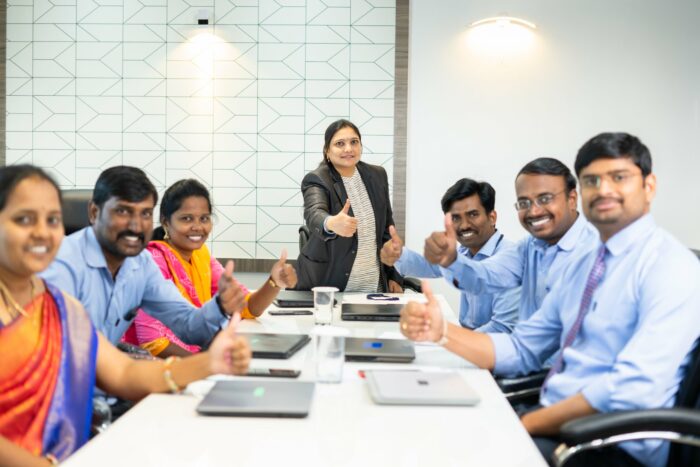
After an annual rise of 10.6% in 2022, which is the highest in the world, salaries in India are expected to increase by 10.4% in 2023.
Young people dropping off South Korea’s permanent workforce
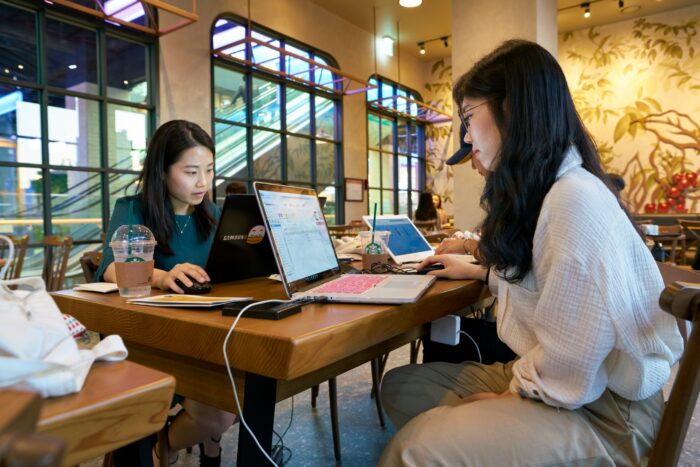
More South Korean workers in their 20s are staying idle amid poorer employment conditions or are engaged in temporary employment.
Gig economy framework proposed in Malaysia
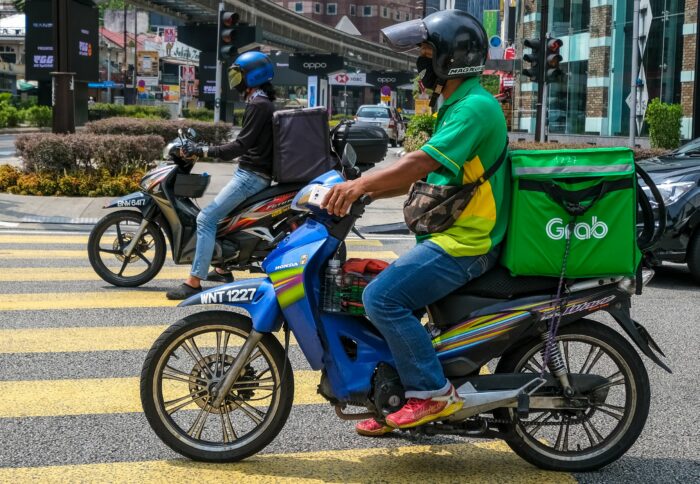
The government has been urged to develop a gig economy framework or high-value partnerships to ensure that gig workers receive appropriate guidance.
Remote work does not impede career progression

Instead of mandating a return to office, Dell is letting employees choose where they want to work and giving fair opportunities to all.
Productivity can be key tool to boost wages in Australia

Instead of multi-employer bargaining, the Australian government has been urged to increase productivity to raise wages.
Fujitsu Japan enhances work experience with pet office

The office space, opened on trial till the end of the year, has workstations for three employees and space for up to six dogs at any one time.
Businesses plan to invest more in coaching

Businesses use coaching to deliver change, thus creating opportunities for coaching to be democratised.
How to create HR sustainability at workplaces

As organisations face challenges in retaining talent, the Good Work Framework by the World Economic Forum provides strategies to overcome these issues.