
Singapore makes one in 10 of the world’s chips. Talent depth is another question

Waiting for a specialised role to fall vacant before developing the skills to fill it no longer works, says Lam Research’s Andrew Goh. The South-East Asia head on hiring for technologies that outpace their own qualifications.
From decision to direction: Where good strategies lose their way
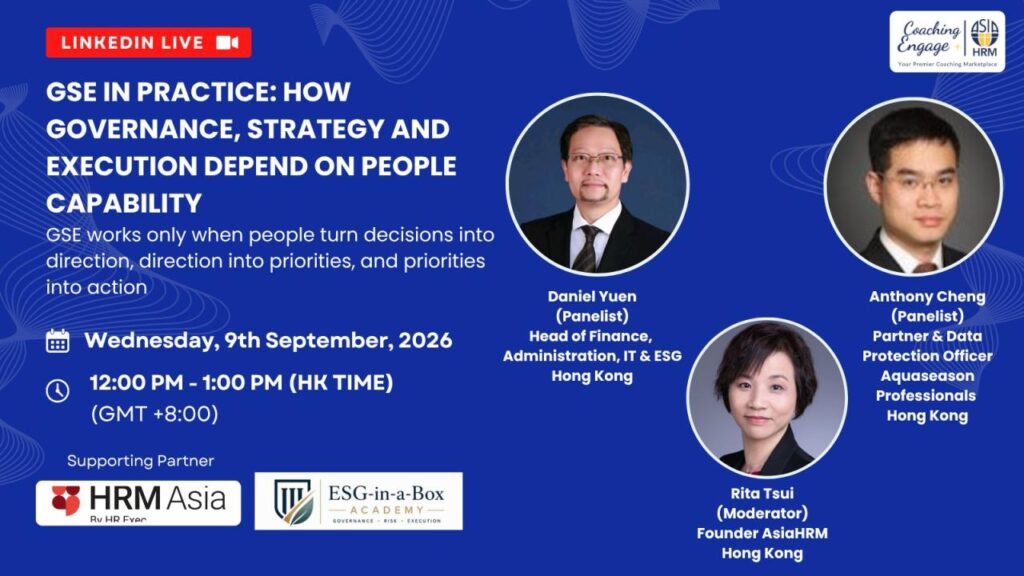
Having good people is not the same as having an organisation that can act on its decisions, speakers argued in AsiaHRM’s Governance Series.
The apprentice and the veteran: How expertise survives automation
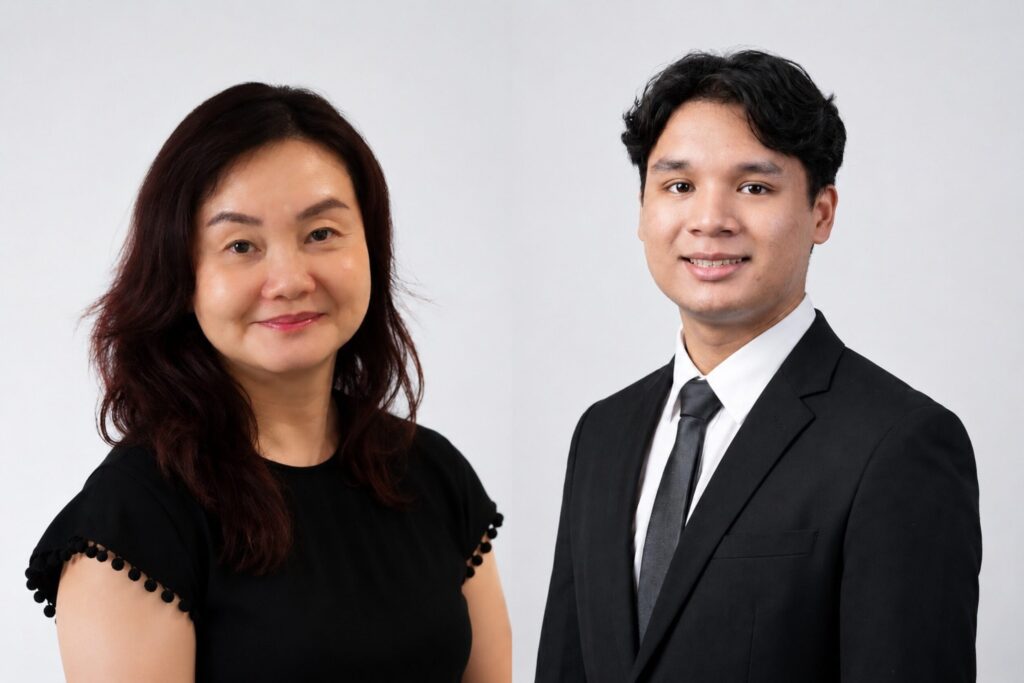
A business support veteran of 27 years and a work-study engineer who went from server checks to building AI agents – two NCS employees on what it takes to work with AI and what it cannot replace.
Where do senior cyber professionals come from when the junior jobs disappear?

AI is absorbing the junior work that senior cybersecurity professionals once learned on. Fortinet’s Jess Ng on what that means for the talent pipeline and for retention.
Workplace wellbeing: The awareness gap has closed. The execution gap persists

Although the data shows that workplace wellbeing has become an accepted business priority, organisations struggle to translate it into measurable outcomes.
What raising a child taught a CEO about leading
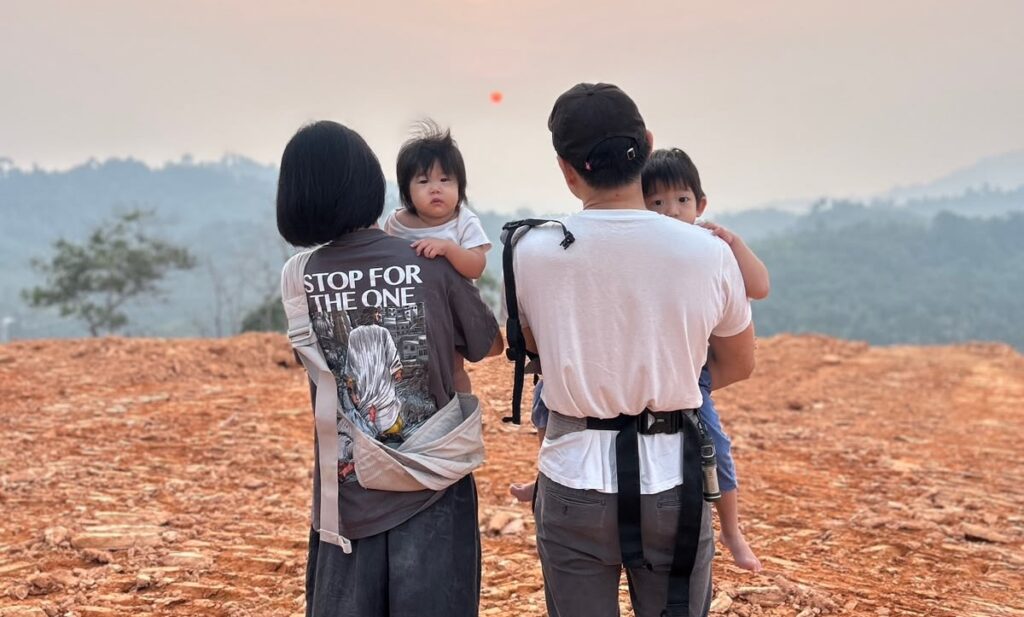
Being physically present with his newborn son did not make Dr Xander Ong a more confident father—taking sole responsibility did. The Centre for Fathering CEO on why that shift from helping to owning shapes stronger leaders, and why parental leave belongs in the conversation about talent.
The 15-year hire: What Abbott’s STEM pipeline tells HR about closing the gender gap
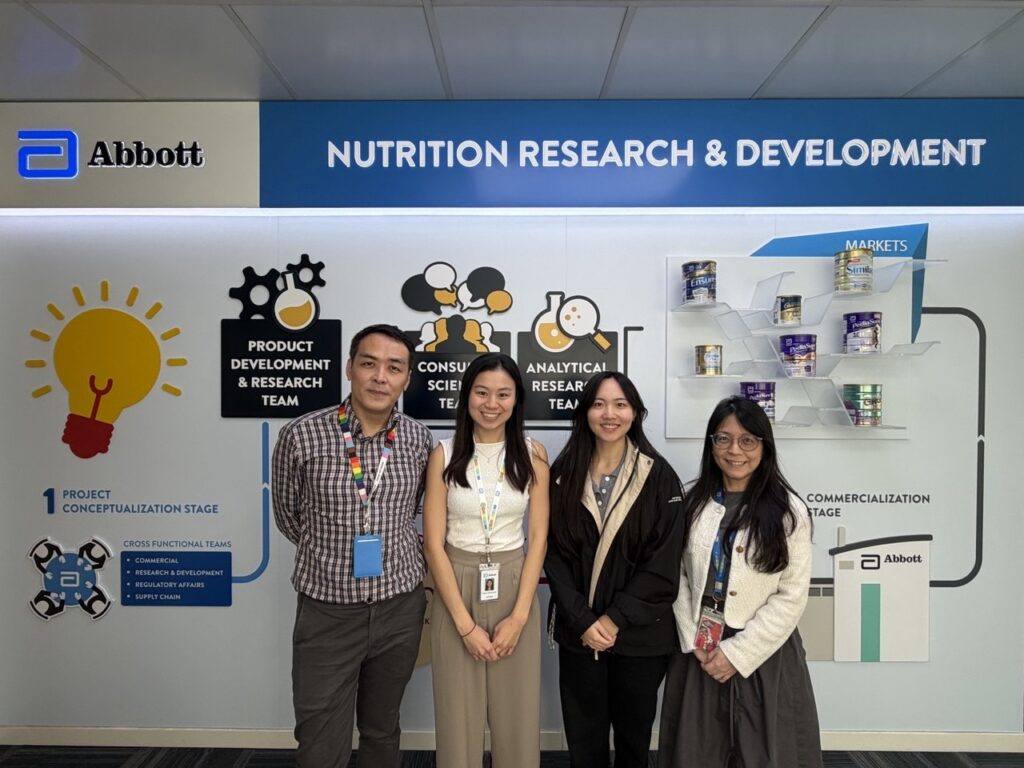
Singapore wants more women in STEM. One organisation’s talent strategy suggests the fix starts a decade before the job interview – and it is a lesson in early-talent thinking that any HR leader can borrow.
The frontline is HR’s biggest AI blind spot

A lot of AI is built around knowledge employees, but 80% of employees are on the frontline. How do you reach them?
When AI recommends, who stays accountable?

As AI takes on a growing share of hiring, performance, and promotion decisions, Rita Tsui, Founder of AsiaHRM, argues that the harder governance questions are not about policy at all, but about judgement, accountability, and the behaviour of the people making the call.
“You cannot sue an AI”: Why adoption comes down to people, not platforms

Deploying AI is the part most organisations have mastered. Jun Tay, who works for a major bank in Asia, explains what happens after, and why the human shift, not the technology, decides whether adoption sticks.
The workforce risk that doesn’t show up in your engagement survey

Recent data show a shift in the dominant workforce health risk and a more complicated picture of disengagement than the numbers suggest.
Tourism offers jobs, not careers. Mandai Wildlife Group is trying to prove otherwise

Mandai Wildlife Group has put competency-based pay and structured pathways behind frontline roles. Two long-serving employees describe what that has looked like in practice.
Should people grow the organisation, or should the organisation grow its people?
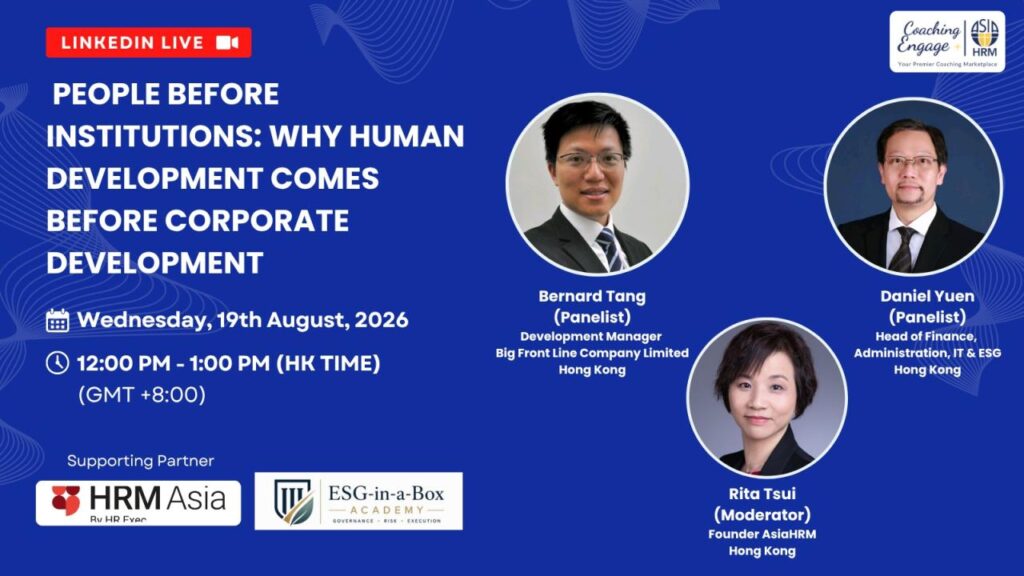
Two Hong Kong practitioners took opposite starting positions on the same budget line – and both conceded that where an organisation sits in its cycle shapes the answer.
Employees are navigating AI disruption in the dark

While organisations are diving in full on to adopt AI, employees are a bit slower in taking up the cause, and the result will be telling.
What workplace support for marrow donation looks like in practice

Nearly half of Singaporeans say workplace support shapes whether they would register as a marrow donor. What that support looks like in practice is still being worked out.
Ten years of poor health, and the workplace in the middle of it
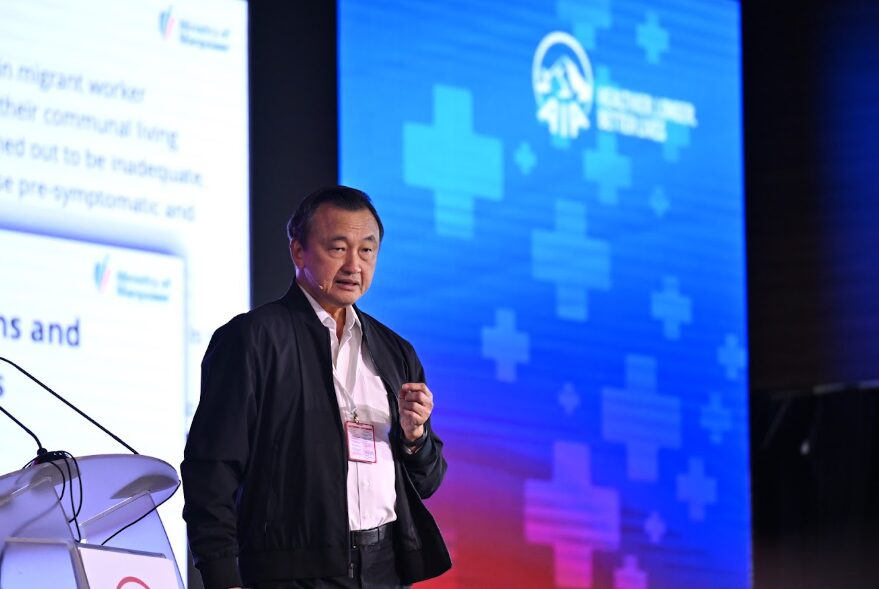
Between a health span ending at 70 and a life expectancy of 80 sits a decade in poor health. At the inaugural AIA Healthcare Summit, the argument was that employers hold more of that decade than they think, and that fragmentation – not funding – is the constraint.
AI adoption isn’t one-size-fits-all. Five strategies to make it work

A recent study suggests that rather than asking how to get people to use AI, employers should ask how groups experience AI differently and tailor their approaches.
The technology is the easy part. Transformation stalls on the people.

Singapore’s S$400 million Enterprise Workforce Transformation Package is a bet that the workforce, not the tooling, is the missing piece of the AI.
Zuckerberg’s AI vision: More jobs, fewer workers and ‘personal superintelligence’

Mark Zuckerberg’s new AI manifesto argues that automation would not outpace human capability and outlines what that means for HR leaders.
The dull work built your senior people. Now AI does it first.

If AI absorbs the routine tasks juniors once cut their teeth on, where does the next generation of judgement come from? Dr Gary Ang, co-author of a new Asia Tech Alliance paper, on the pipeline problem HR is not yet planning for.
When disruption is the operating environment, ‘bouncing back’ isn’t the whole job
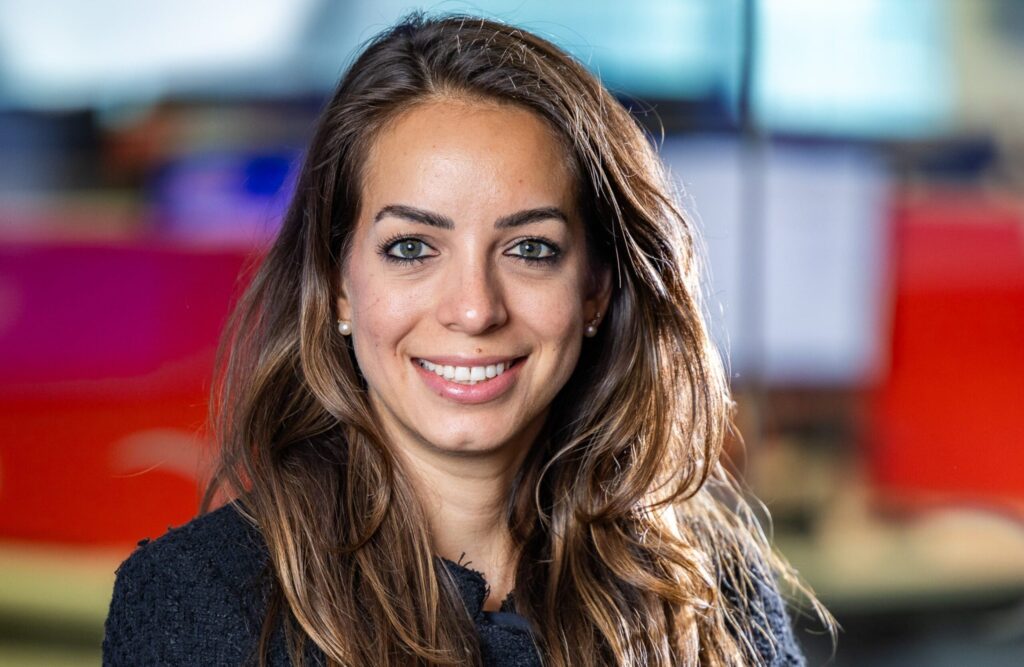
Organisations have long treated resilience as the ability to recover from a discrete shock. Dr Athenais Sivaloganthan of International SOS argues that the definition no longer fits the conditions employees are actually working under, and that the psychological side of the equation has been the slowest to catch up.
AI didn’t invent hiring fraud. It made it harder to see.
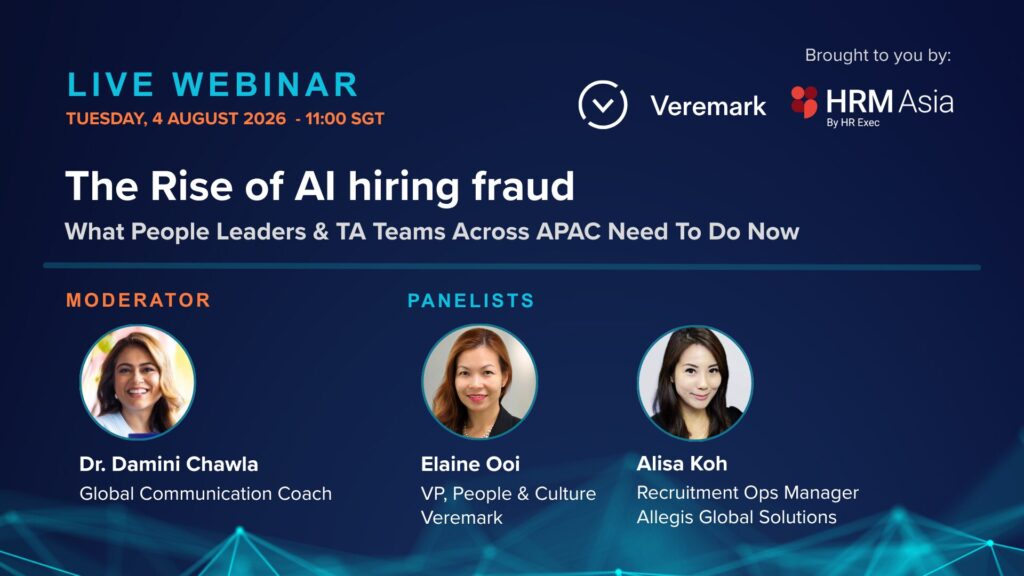
Candidates are using AI to prepare more effectively, and recruiters are struggling to tell preparation from inflation. At an HRM Asia webinar with Veremark, panellists argued the question has moved from whether a CV matches a role to whether the experience behind it is real.
First the layoffs, then the rehiring: AI’s expensive round trip

From Ford’s assembly line to Klarna’s call centres, organisations that bet on AI over experience are quietly buying it back, often for more than they saved.
The tool users and the outcome-getters: Hiring’s new diving line

A wage premium for AI skills is already measurable across the region. Kazunori Fukuda, who runs Sansan in Singapore and Thailand, argues most hiring processes still cannot tell who has earned it.
AI works better when HR helps lead it, new research finds

A recent survey shows AI’s real fault line is organisational: whether HR has a formal seat at the table for AI implementation.
Age-aware isn’t enough. It’s time to become age-inclusive
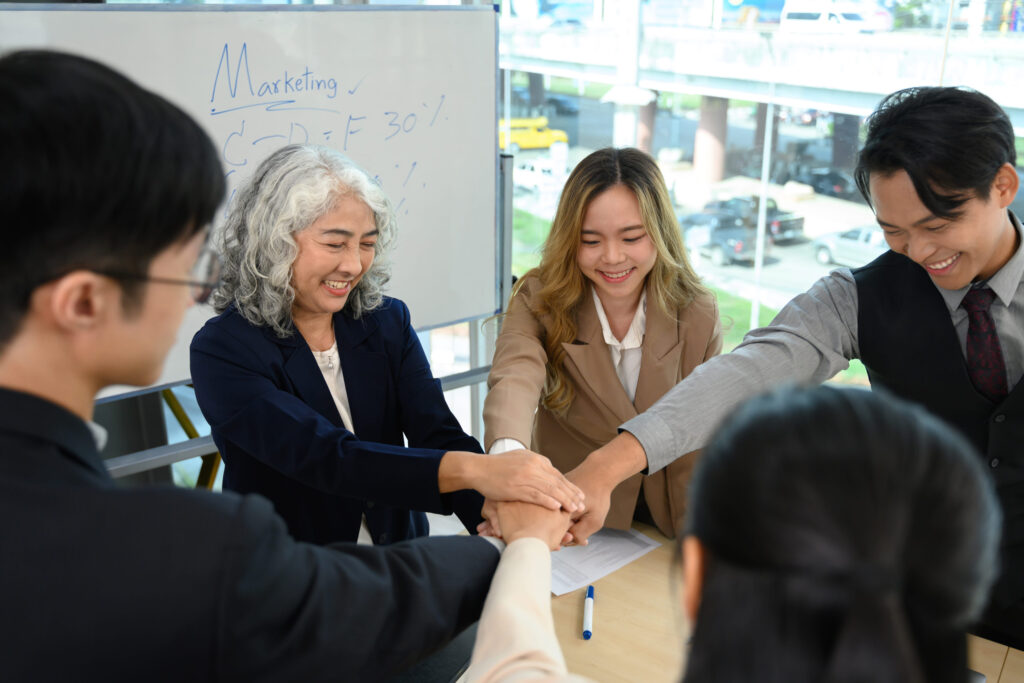
Age is one of the last dimensions where assumptions still pass as management judgment. Rachele Focardi on why avoiding the generational conversation is making things worse, not better.
The hardest question in AI transformation: “So what?”

Two years into HubSpot’s AI-first journey, adoption and fluency turned out to be the easy part. The real work, says its talent chief, lies in a “missing middle” most organisations never see.
Allyship in technology: Why intentional support still matters

NTT DATA’s Png Kim Meng calls on technology leaders to make allyship an everyday practice that challenges bias, broadens opportunity, and fuels business success.
How ADP CEO Maria Black leads through uncertain times
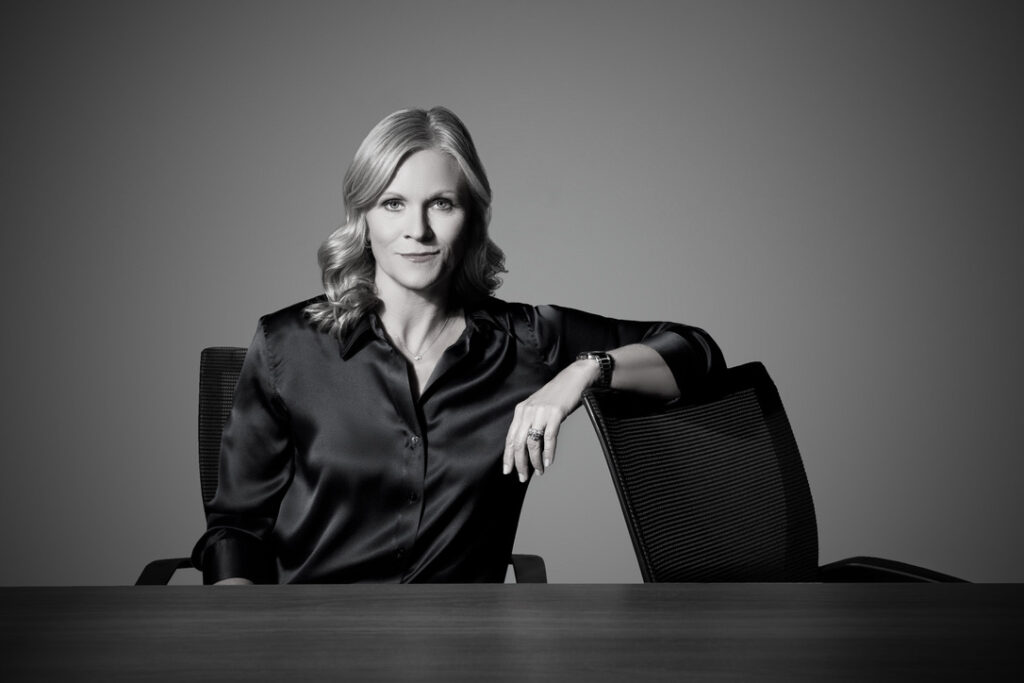
CEO Maria Black, marking her 30th year at ADP, says that managing a workforce is only getting more complex, and so is HR’s role.
Beyond execution: Why the AI revolution is scaling the human premium

As AI absorbs more of the execution in knowledge work, StarHub’s Tan Toi Chia argues the real transformation is happening in how work is designed – and in the human capabilities that never show up on a balance sheet.