
Employee retention a priority for organisations in New Zealand

Besides monetary rewards, organisations are also offering more work flexibility in a bid to attract and retain the best talent.
Displaying loyalty may bring more work for employees

Deliberately or otherwise, managers are more inclined to turn to employees they deem as loyal to complete additional job tasks.
Male employees in Japan encouraged to prioritise family over work

Prime Minister Fumio Kishida has outlined potential measures to push for higher take-up of paternity leave among male employees in the country.
Burnout, work-life imbalance impact employee happiness in Hong Kong

Perceptions on pay, rather than income level, is also a significant factor impacting the job satisfaction of employees.
Drawing employee-manager boundaries after working hours

Managers contacting remote employees outside designated working hours is causing stress and burning out employees.
Employees in Singapore value digital skills over green skills

Cultivating a sustainability culture and offering upskilling opportunities can encourage employees from all job roles to drive sustainability initiatives.
HR leaders in Indonesia prioritising talent and wellbeing
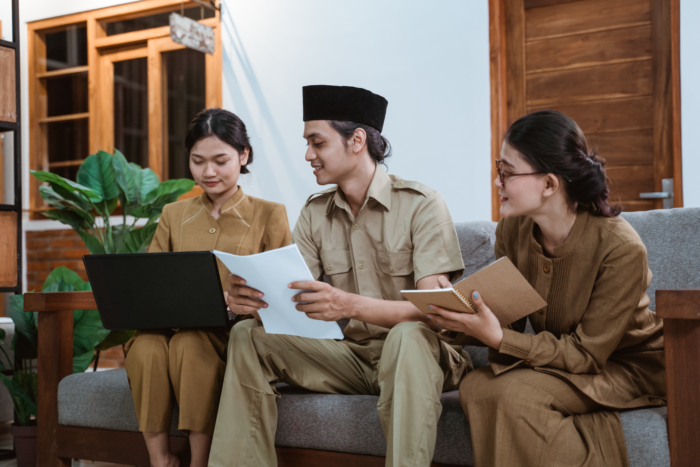
Despite a tight labour market, organisations in Indonesia are focused on improving the employee experience and redesigning talent processes in 2023.
Working women in India face hurdles in seeking marriage

Women in India who seek careers, particularly those in male-dominated professions, face more discrimination when looking for a marriage partner.
The paradigm shift to human development in ASEAN
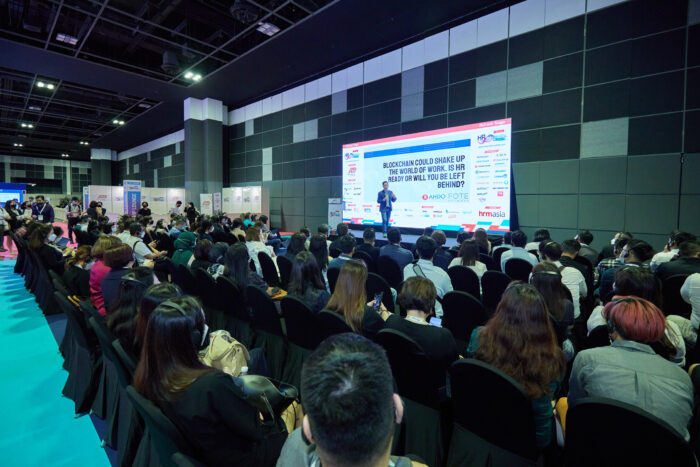
The AHDO Human Development Summit will be held on May 11 during HR Tech Festival Asia 2023 to discuss human development in ASEAN.
Public employees in South Korea have little appetite for team lunches

Younger public employees prefer to eat alone and are less receptive to communal lunch gatherings, while senior public employees seek solitude.
Singapore’s youth unemployment hits 24-year low in 2022

Singapore’s youth unemployment rate fell due to changes in job preferences and education priorities, according to the Ministry of Manpower.
Build a healthier workforce by asking employees to take regular breaks

To meet deadlines, employees are not taking enough breaks to alleviate the stress and fatigue they are facing at work.
Transformative shift: Women make up majority of Australia’s HR profession

The HR profession in Australia is also shifting towards an advisory role, with line managers assuming traditional HR responsibilities.
Improving employee health and wellbeing through hybrid work

Hybrid employees have more time to engage in activities that improve their health and wellbeing, in turn making themselves more productive at work.
Keeping new hires beyond the first year of employment
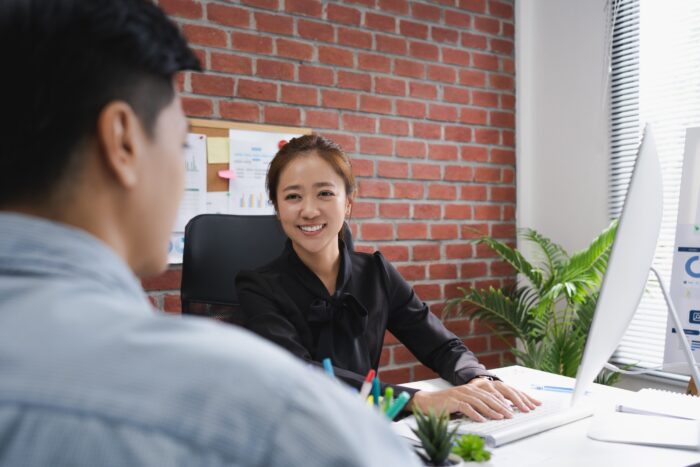
Organisations may need to do more to prevent new hires from taking the increasingly common route of returning to their previous employers.
Why being adaptable in the workplace can benefit women

Women who display adaptive team member behaviour are recognised more than men, a University of Western Australia study has found.
Looks matter: How a robot’s design affects mental wellbeing coaching

Participants to a study felt more connected to toy-like robots acting as mental wellbeing coaches, in comparison to humanoid-like robots.
Building a diversified and inclusive workforce in Australia

Hiring persons with disabilities can positively impact workplace culture and bring financial benefits to organisations, says a government body in Australia.
Overcoming the HR pitfalls leading to high employee turnover

Anjali Byce, Chief Human Resource Officer at STL, highlights some key measures HR leaders can take to attract and retain the best talent.
Retaining young employees in Australia by prioritising mental health

Young employees want their employers to implement authentic and effective mental health initiatives as a condition to stay.
Taiwan encourages more women to consider part-time employment

Taiwan’s female labour force participation trails behind countries like Japan and South Korea, partly due to negative public perception of part-time jobs.
Employee groups reject South Korea’s 69-hour workweek proposal
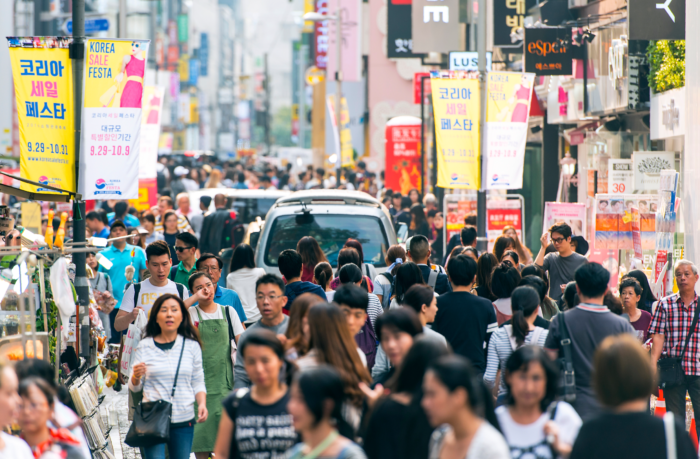
Criticism and doubts have been raised over the feasibility of longer work hours and vacations in a proposal pushing for a new working hour system.
Retaining top talent a key priority for HR leaders
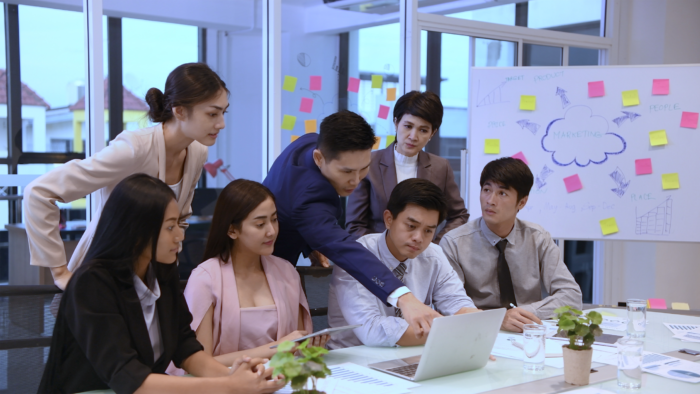
Organisations are providing learning opportunities and offering flexible work arrangements to keep their best employees.
Stay at home if you are sick, Victoria state tells employees

The Sick Pay Guarantee scheme allows casual and contract employees to access up to 38 hours a year of sick and carer’s pay.
Online personal branding boosts employability for Gen Z
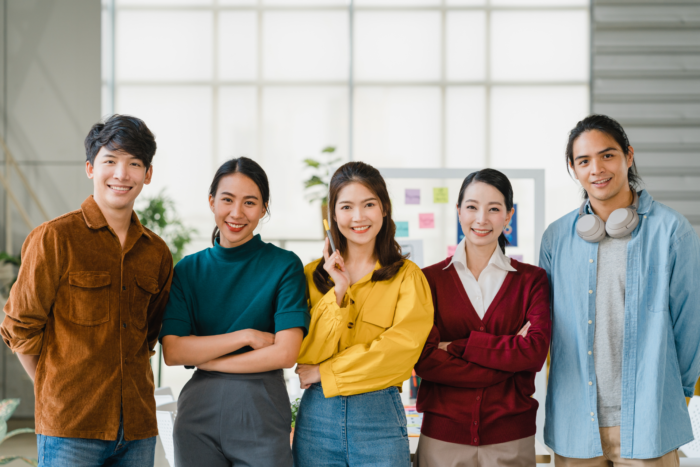
Personal branding strategies for Gen Z jobseekers include self-reflection, communication, and digital footprint management.
Flexibility and technology key for remote work to succeed

With the right support, remote and in-office employees can perform tasks of similar quality and quantity, according to the University of Missouri.
The four-day workweek: Is it and can it be for real?

A study in the UK found that, after shortening the workweek, things were better for employees, and at least no worse for employers.
Australia considers nationwide four-day workweek trial

The four-day workweek is part of a raft of recommendations made by the Senate work and care committee to improve employees’ work-life balance.
Employees in New Zealand want more WFH opportunities

Aspirations for flexible work arrangements and a better quality of life are motivators for New Zealanders to choose to work from home.
Building a distributed workforce for organisational success

Jane Lee, Head of Asia-Pacific Sales at Remote, highlights the importance of building a global talent marketplace to attract and retain the best talent.